Now Reading: Gas Prices Could Climb Above $3 Per Gallon as Iran Conflict Unnerves Oil Markets
-
01
Gas Prices Could Climb Above $3 Per Gallon as Iran Conflict Unnerves Oil Markets
Gas Prices Could Climb Above $3 Per Gallon as Iran Conflict Unnerves Oil Markets

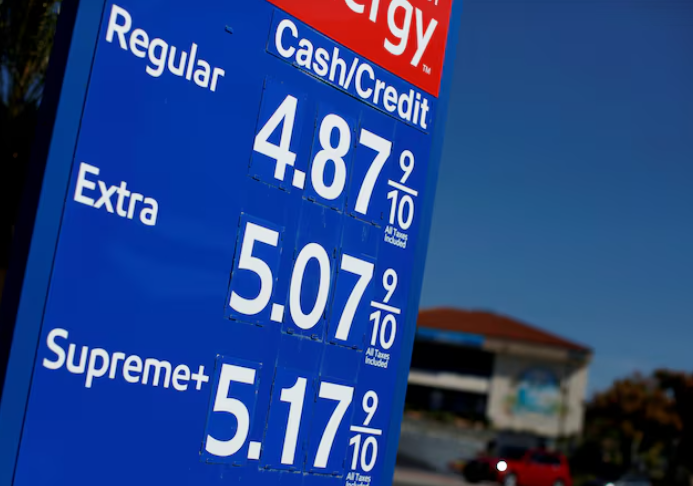

Amid escalating Middle East geopolitical tensions, oil and energy markets are bracing for a possible price spike at the pump, with analysts warning that gas prices in the United States may exceed $3 per gallon as early as next week. According to industry observers, recent U.S. and Israeli airstrikes on Iranian targets have injected fresh uncertainty into global oil supplies — particularly around the strategic Strait of Hormuz, a crucial chokepoint for nearly 20 % of the world’s oil shipments.
Patrick De Haan, head of petroleum analysis at GasBuddy, noted in his latest market commentary that crude oil prices could rise by 5 %–10 % amid the conflict’s ripple effects, pushing oil above $70 per barrel and, by extension, lifting gas prices at the consumer level. This potential jump would mark a notable turn in the U.S. fuel market, reversing earlier downward trends and reigniting concerns over inflationary pressures and household cost burdens.
However, analysts also emphasize that the extent of any rise in gas prices remains tied to how long the conflict persists and whether oil infrastructure, tanker routes, or export terminals face direct disruptions. For now, markets are responding largely to risk premiums and fear-driven repricing — with the real economic impact still contingent on geopolitical developments.
Analysts Warn Iran Conflict Could Push Gas Prices Higher
Energy market analysts point to the strategic significance of the Strait of Hormuz, through which roughly 20 % of global oil flows each day, as a key vulnerability in the current crisis. Disruptions or even the threat of closures in this critical waterway have historically amplified oil market volatility and compounded gas prices at the pump.
Before the latest strikes, U.S. average gasoline prices were hovering around $2.98 per gallon — a relatively moderate level for early March. But analysts such as De Haan and others note that any sustained escalation or fear of broader supply disruption could rapidly lift that average above the $3 threshold next week.
“It’s the combination of geopolitical risk and supply anxiety that markets are pricing in right now,” said Samantha Gross, director of the Energy Security and Climate Initiative at the Brookings Institution. “Iran’s oil production and location near the world’s most vital oil transit route mean that even limited disruptions can have outsized effects on gas prices globally.”
Beyond the Gulf region’s geopolitical volatility, seasonal factors — such as the switch to pricier summer-grade gasoline blends — may further compound any upward movement in pump prices. With political risks intersecting normal market cycles, consumers could see more pronounced price shifts in the weeks ahead.
Market Signals and Consumer Impact
“We could see U.S. average gas prices climb above $3 per gallon if geopolitical tensions persist and oil risk premiums remain elevated,” said energy market strategist Helen Rivera. “While this is not necessarily a repeat of the dramatic price spikes of past decades, it underscores how fragile global energy markets are to geopolitical shocks.”
Energy strategists are also watching how OPEC+ producers respond to any potential supply shortfalls, as well as whether strategic petroleum reserves or alternative supply routes can help mitigate price pressures. Currently, oil benchmarks such as Brent and WTI have already been trending higher on war-related risk premiums, contributing to expectations that gas prices could rise within days.
For consumers, even modest increases could bite, particularly for long-distance commuters and businesses reliant on transportation fuel. Analysts stress that while a sustained surge beyond $3 per gallon is not guaranteed, the present risk environment signals tighter markets and potential price volatility.
See Also: Market Tension Builds as US Firm Moves to Sell ICEA Lion Stake
Previous Post
Next Post