Now Reading: Gulf Meat Strategy Flops as Kenya Hits Reset Button
-
01
Gulf Meat Strategy Flops as Kenya Hits Reset Button

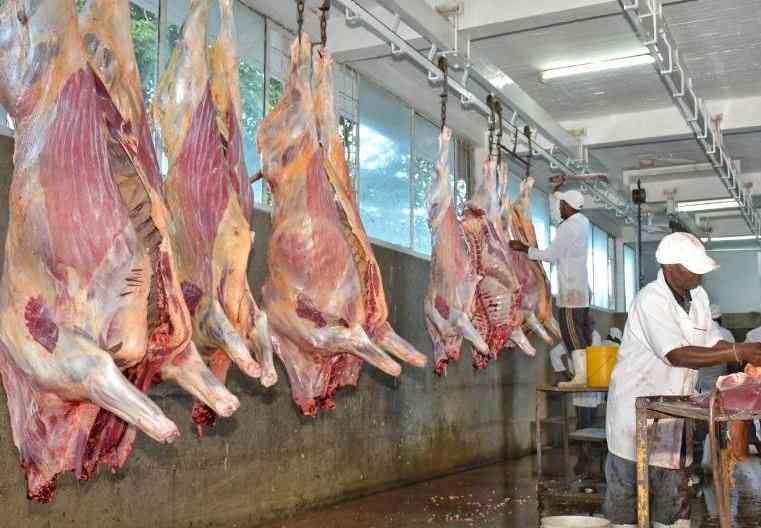

Kenya has publicly acknowledged that its initiative to expand red meat exports into the Gulf region fell short of expectations, with implementation delays and unexploited opportunities prompting the government to look for more opportunities and seek a redesigned strategy to revive prospects in lucrative Middle Eastern markets.
Implementation setbacks
In a rare admission, officials said the ambitious Drive project to boost Kenyan meat and meat products into Gulf Cooperation Council (GCC) markets has struggled to translate positive feasibility studies into real export volumes. Despite strong demand signals and market conditions that appeared conducive, progress on ground has been slow, leaving key export opportunities largely unexploited.
The State Department for Livestock flagged the gap between planning and execution after a mid-term review revealed that logistical, certification and market structuring challenges weakened Kenya’s competitive edge in the Gulf. The review led to an open tender for a consultant to design a revised strategy that would help unlock untapped potential for meat exports in nations such as Saudi Arabia, the United Arab Emirates, Kuwait, Bahrain, and Qatar — where demand for live animals and processed meat products has traditionally been strong.
Industry stakeholders say the setbacks point to broader structural weaknesses in the meat value chain, including compliance with export certification standards, limited cold-chain infrastructure, and gaps in slaughterhouse capacity that meet Gulf market requirements. Analysts note that while feasibility studies and market visits painted a promising picture, execution bottlenecks ultimately frustrated delivery.
According to data from sources tracking Kenyan exports, Saudi Arabia alone has been a key importer of Kenyan meat in recent years, accounting for a significant share of export earnings. However, the inability to scale volumes in 2025 reflects implementation and logistical hurdles that need urgent resolution if Kenya is to fully capitalise on Gulf demand.
Government officials have acknowledged the need for a recalibrated approach that enhances the entire export pipeline — from farm to port — and embeds compliance with stringent sanitary and phytosanitary standards to meet Gulf market requirements. This includes stronger engagement with private processors, logistical upgrades, and streamlined certification processes to reduce export turnaround time.
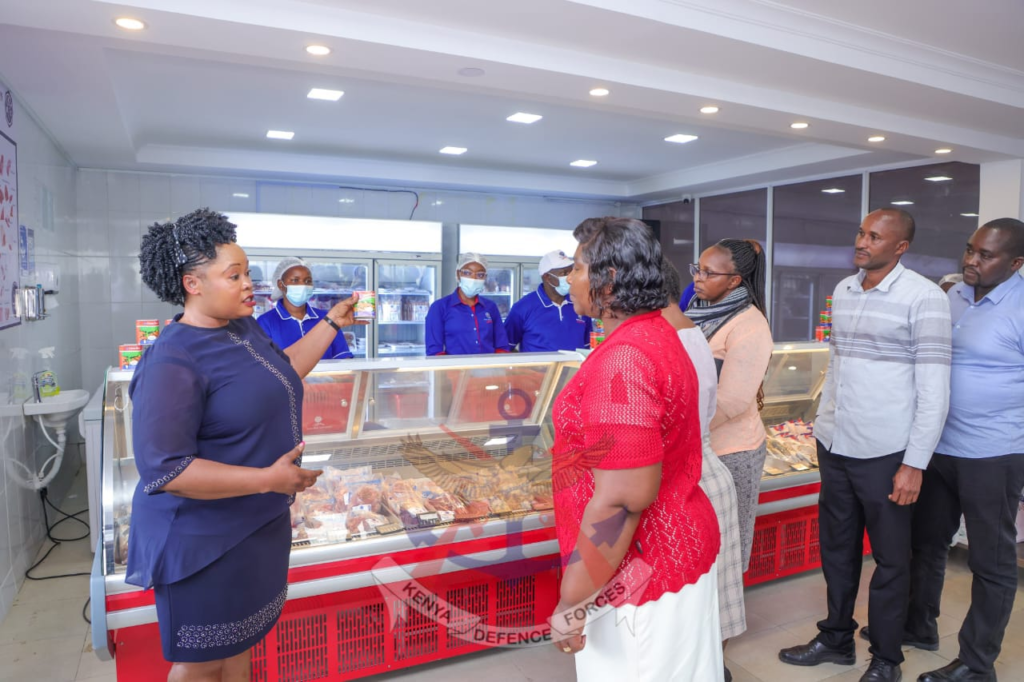
New strategy aims to unlock Gulf region meat markets and boost Kenya’s export competitiveness
The renewed focus on revising the export strategy arrives amid broader pressures on Kenya’s trade profile. Efforts to diversify export destinations and enhance value addition in agricultural commodities are central to the government’s economic agenda as it seeks to reduce reliance on traditional markets and expand high-value exports.
Officials are hopeful that a fresh strategic design will address previous weaknesses and harness bilateral trade frameworks, including emerging trade cooperation with GCC partners. In particular, there is increased optimism that leveraging broader agreements — such as the Comprehensive Economic Partnership Agreement with the United Arab Emirates — could create synergistic pathways for meat products alongside other agricultural exports.
See Also: JustMarkets Transforming African Traders into Global Market Players Through Bold Innovation
Private sector leaders have called for targeted investments in export processing zones, enhanced cold storage facilities, and technical support to ensure compliance with Gulf import protocols. “Kenya has a comparative advantage in livestock products, but execution matters. We need infrastructure, certification efficiency, and deeper market engagement to compete with other exporters,” said a Nairobi-based trade economist familiar with livestock export dynamics.
Reviving the Gulf export plan could provide a much-needed boost to Kenya’s livestock sector, which supports rural livelihoods across multiple counties and contributes to foreign exchange earnings. With a redesigned strategy, policymakers hope to turn past setbacks into future export gains, positioning Kenya as a reliable supplier of meat products to rapidly growing markets in the Middle East.
Previous Post
Next Post