Now Reading: Gulf War Threatens Kenya Remittances With Sh5 Billion Monthly Loss
-
01
Gulf War Threatens Kenya Remittances With Sh5 Billion Monthly Loss



Kenya remittances could suffer a significant blow as escalating tensions in the Gulf threaten to disrupt diaspora income flows, potentially costing the country about Sh5 billion every month, economists have warned. The warning comes from the Institute of Economic Affairs, which says thousands of Kenyan workers in Gulf countries could face job losses or reduced earnings if the conflict intensifies. Remittances from the diaspora have become one of Kenya’s most important sources of foreign exchange, supporting millions of households and contributing significantly to the national economy. Analysts say prolonged instability in the Gulf could ripple across Kenya’s economy through reduced household spending, lower foreign currency inflows, and slower economic growth.
Gulf Conflict Threatens Kenya Remittances
The Gulf region hosts a large number of Kenyan migrant workers employed in sectors such as domestic work, construction, hospitality, and logistics. Countries including Saudi Arabia, United Arab Emirates, and Qatar have become major destinations for Kenyan workers seeking employment opportunities abroad.
According to economists, any disruption to economic activity in these countries could directly affect Kenya remittances, which have grown steadily over the years to become one of the country’s largest sources of foreign exchange. Remittance inflows help support families, pay for education and healthcare, and finance small businesses across Kenya.
The Institute of Economic Affairs warns that if the Gulf conflict escalates and affects employment opportunities for Kenyan workers, remittance inflows could decline sharply. A drop of Sh5 billion per month would represent a significant loss for households that rely on financial support from relatives working abroad.
Economists note that many Kenyan households depend heavily on diaspora funds to meet basic needs. A reduction in these inflows could weaken consumption patterns and slow economic activity in sectors such as retail, housing, and education.
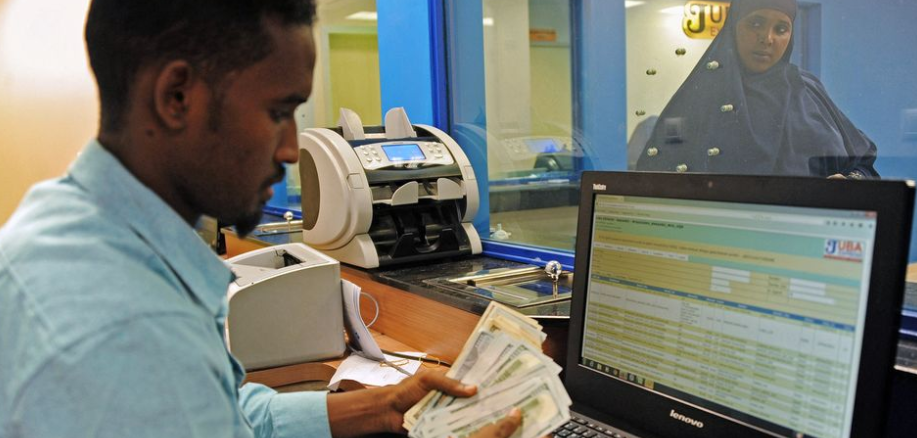
Economic Risks for Kenya If Remittances Decline
Remittances play a vital role in Kenya’s macroeconomic stability. Data from the Central Bank of Kenya shows that diaspora remittances consistently rank among the country’s top sources of foreign exchange, alongside exports such as tea and tourism revenues.
A significant decline in Kenya remittances could therefore put pressure on the country’s foreign exchange reserves and the stability of the Kenyan shilling. Reduced dollar inflows may increase currency volatility and make it more expensive for the country to finance imports such as fuel, machinery, and food.
See Also: Eurobond Boost Pushes Kenya Forex Reserves to Record High
Experts say the potential impact of the Gulf conflict highlights Kenya’s growing dependence on diaspora workers as a source of economic support. While labour migration has created employment opportunities for thousands of Kenyans abroad, it also exposes the economy to geopolitical risks in host countries.
Policy analysts suggest that diversifying labour markets for Kenyan workers and strengthening domestic job creation could help reduce vulnerability to external shocks. Expanding opportunities in sectors such as manufacturing, digital services, and agriculture could provide alternative sources of employment and income.
Despite the risks, economists emphasize that remittances remain resilient and have historically continued to grow even during periods of global uncertainty. However, a prolonged conflict in the Gulf could still test that resilience and create new economic challenges for Kenya in the months ahead.
Related Posts



Previous Post
Next Post