Now Reading: Hormuz Crisis Impact: Why Middle East Tensions Are Reshaping Africa’s Economy
-
01
Hormuz Crisis Impact: Why Middle East Tensions Are Reshaping Africa’s Economy
Hormuz Crisis Impact: Why Middle East Tensions Are Reshaping Africa’s Economy

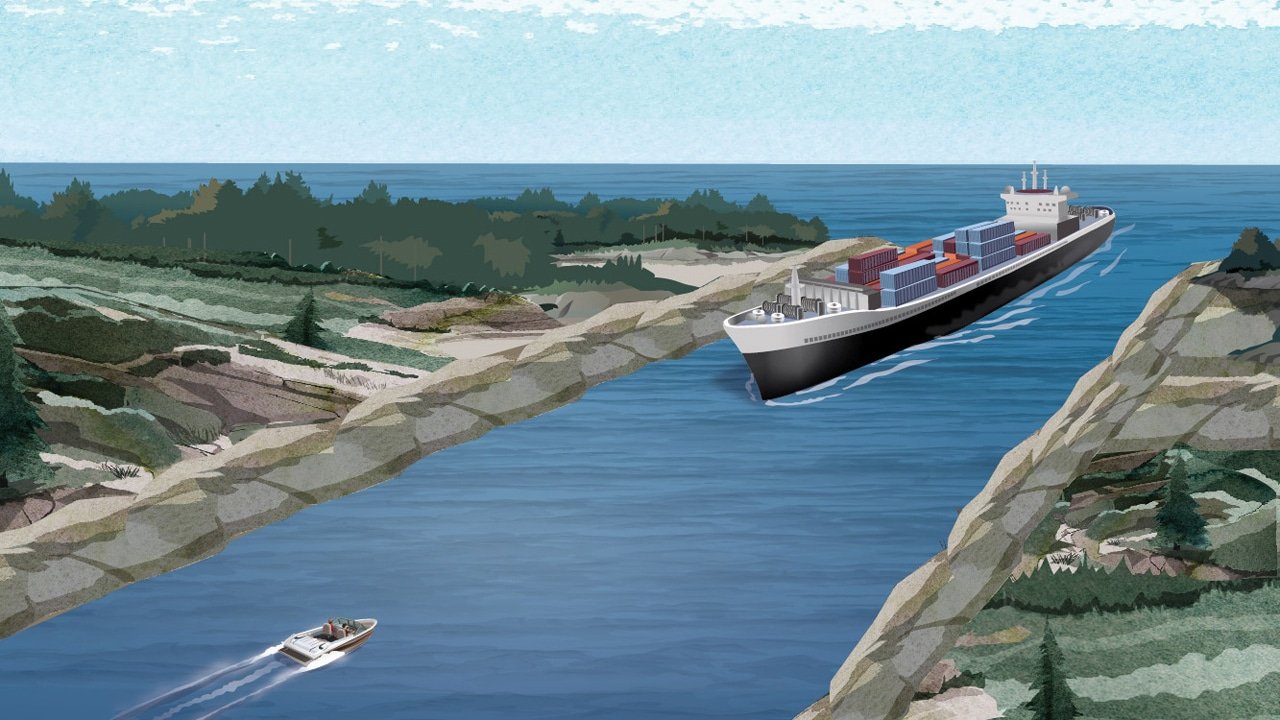

Middle East tensions are no longer a distant geopolitical concern for Africa—they are rapidly becoming a defining force in how the continent’s economic risk is priced. As instability around the Strait of Hormuz threatens global oil flows, African economies are feeling the ripple effects through rising fuel costs, currency pressure, and shifting investor sentiment. Yet beneath the volatility lies a more complex story, where disruption is also unlocking new trade routes, energy strategies, and investment opportunities. The evolving Middle East tensions Africa economy dynamic is now forcing policymakers and businesses to rethink resilience, competitiveness, and long-term positioning in a fragile global system.
Middle East Tensions Impact on Energy and Inflation
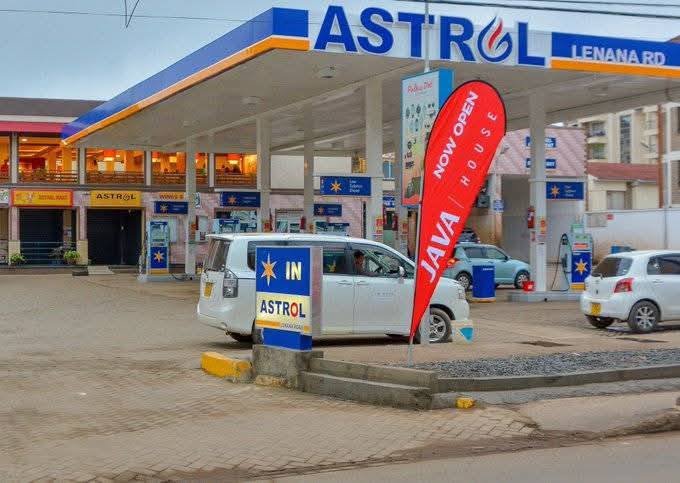
The most immediate transmission channel of Middle East tensions into the Africa economy is energy. With the Strait of Hormuz handling a significant share of global oil shipments, any perceived threat to its stability triggers sharp reactions in oil markets. For many African countries that rely heavily on imported fuel, this translates almost instantly into higher import bills, elevated inflation, and increased fiscal pressure.
Countries like Kenya, Ghana, and Senegal, which are net oil importers, face a particularly difficult balancing act. Rising fuel costs push up transport and food prices, compounding inflationary pressures that central banks are already struggling to contain. Policymakers, including institutions such as the Central Bank of Kenya, are often forced into tighter monetary policy to stabilize currencies, even at the expense of economic growth.
At the same time, oil-exporting nations such as Nigeria and Angola experience a different effect. Higher global oil prices can boost revenues and improve fiscal balances in the short term. However, analysts warn that this windfall is often offset by structural inefficiencies, currency volatility, and long-standing governance challenges. As a result, the Middle East tensions Africa economy relationship creates a divergence across the continent, amplifying inequality between energy importers and exporters.
Beyond oil, the broader inflationary spillover is becoming increasingly visible. Higher shipping costs, insurance premiums, and supply chain disruptions are raising the cost of doing business across African markets. For small and medium-sized enterprises, this environment reduces margins and constrains expansion, further slowing economic momentum.
Middle East Tensions Opportunities in Trade and Investment Shifts
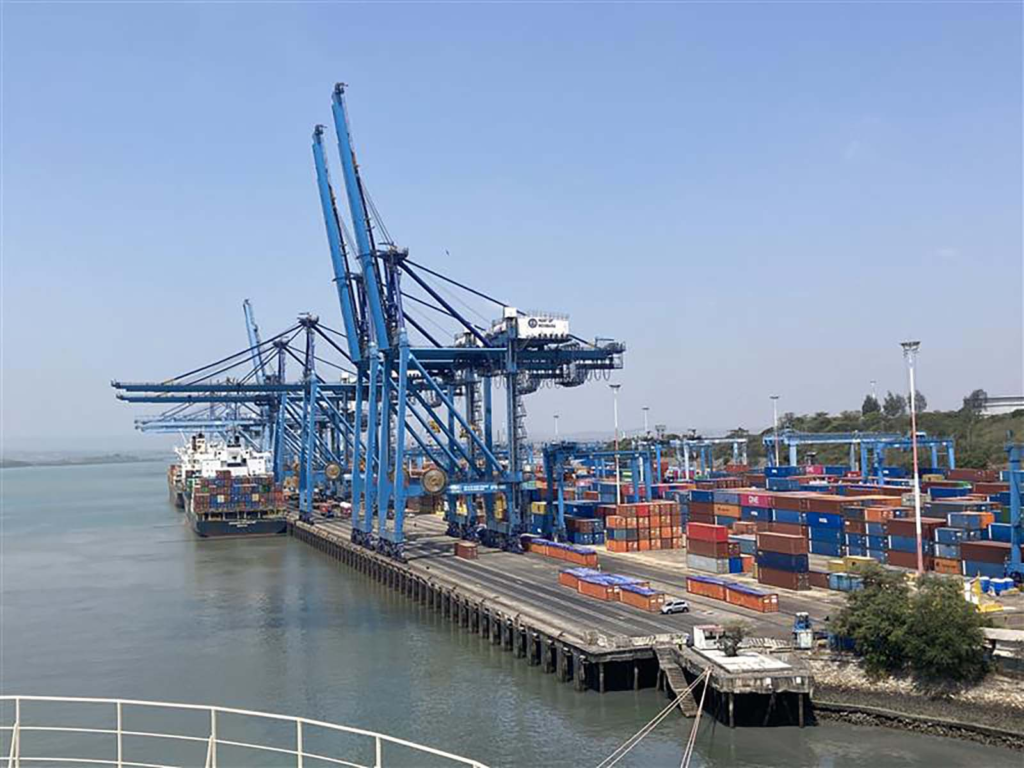
Despite the risks, Middle East tensions are also accelerating structural shifts that could benefit Africa in the medium to long term. As global companies seek to diversify supply chains away from high-risk regions, African markets are emerging as alternative destinations for manufacturing, logistics, and resource development.
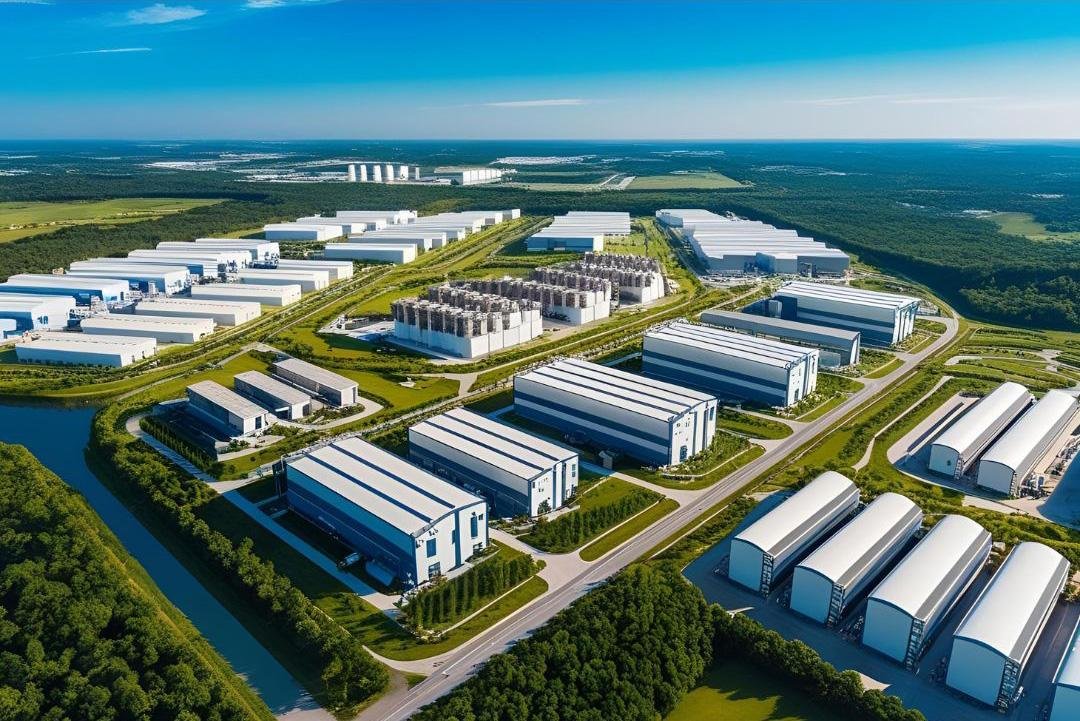
This repositioning is particularly relevant for countries investing in industrialization and export-oriented growth. Special economic zones, port infrastructure, and logistics corridors are gaining renewed attention as investors look for stability and proximity to both European and Asian markets. The disruption in traditional trade routes is effectively forcing a rethink of global commerce, placing Africa in a more strategic position than before.
You Might Also Like: Africa Value Addition Investment Gains Momentum with $30M Pipeline
In addition, the volatility in global energy markets is reigniting interest in Africa’s untapped natural resources, including gas, renewables, and critical minerals. Governments are increasingly leveraging this moment to attract foreign direct investment, positioning themselves as reliable partners in a fragmented energy landscape. Analysts suggest that if managed correctly, this could accelerate the continent’s transition toward energy security and diversification.
Financial markets are also responding to the evolving Middle East tensions Africa economy narrative. Risk premiums on African assets are rising, reflecting heightened uncertainty, but this also creates entry points for long-term investors willing to navigate volatility. Sovereign bonds, infrastructure projects, and private equity opportunities are being repriced, potentially unlocking capital flows into sectors that were previously overlooked.
Ultimately, the current environment is forcing African economies to confront a dual reality. On one hand, external shocks are exposing structural vulnerabilities, from energy dependence to fiscal fragility. On the other, the same disruptions are creating openings for transformation, innovation, and strategic repositioning in the global economy.
Related Posts

Previous Post
Next Post