Now Reading: How NYOTA Start-Up Grants Boost Youth Entrepreneurship
-
01
How NYOTA Start-Up Grants Boost Youth Entrepreneurship

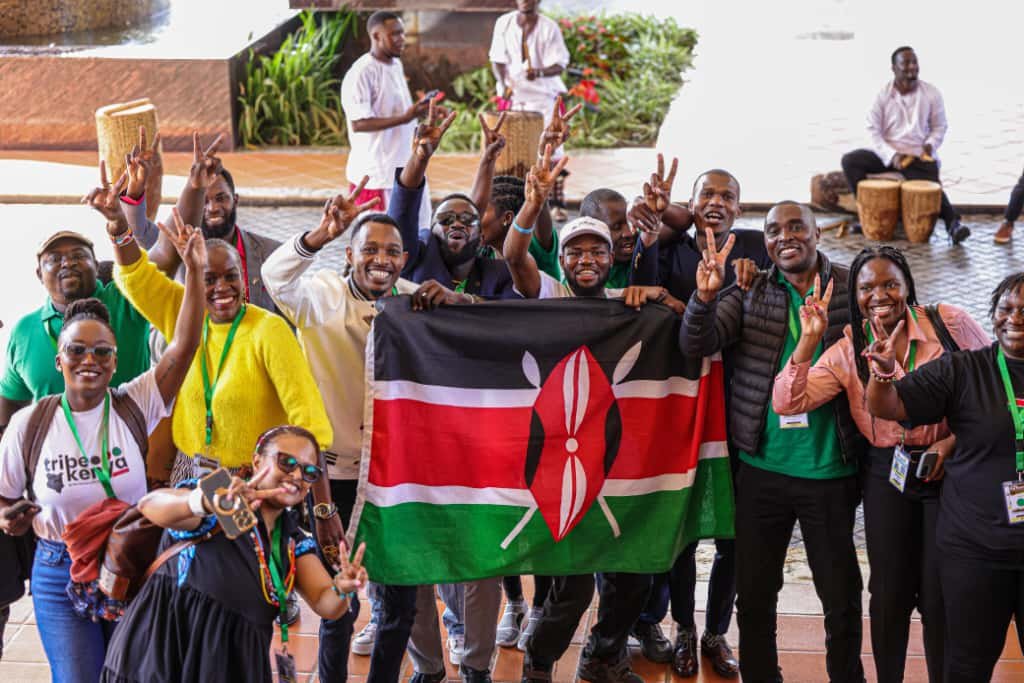

Kenyan policymakers are intensifying efforts to tackle youth unemployment and stimulate NYOTA start-up grants-supported enterprise creation, with at least 5,000 young people in the Coast region receiving Sh160 million in business capital. The disbursement, part of the broader National Youth Opportunities Towards Advancement (NYOTA) business support program, reflects a push to broaden economic participation and nurture small business growth among marginalized youth in Kilifi, Lamu, and Tana River counties.
How NYOTA start-up grants are fueling youth entrepreneurship
The NYOTA program, backed by the Government of Kenya in partnership with development stakeholders including the World Bank, is designed to equip young entrepreneurs with capital, business skills, and mentorship to launch and grow income-generating ventures. At a high-profile event in Malindi, Kilifi County, President William Ruto presided over the distribution of the Sh160 million in start-up capital to more than 5,000 youth. The initiative is targeted at young people from Lamu, Kilifi, and Tana River counties, with the distribution carried out under the umbrella of the NYOTA Business Support Component.
Under the program’s design, each beneficiary receives Sh50,000 in two phased payments, with the funds split between operational capital (credited directly to the recipient’s Pochi la Biashara account) and a savings component held in the Haba na Haba account under the National Social Security Fund (NSSF). The dual structure aims to support business start-ups while also promoting a culture of saving and long-term financial security among young entrepreneurs.

The NYOTA project has been rolled out in phases across multiple regions. Earlier disbursements under the program saw tens of thousands of youths receive business start-up grants of similar design, including a significant round in Nairobi, Kiambu, and Kajiado counties, where over Sh258 million was allocated to more than 10,000 beneficiaries. These grants provide incremental capital that can help nascent ventures in retail, agribusiness, services, and other micro-enterprise sectors to gain traction.
According to World Bank Kenya Director Qimiao Fan, the initiative’s core objective is to provide young people with the tools, capital, and entrepreneurial support they need to become self-employed and create jobs for others. Fan described NYOTA as a strategic intervention aimed at tackling Kenya’s persistent youth unemployment challenge by equipping beneficiaries with both financial and human capital.
Economic implications and future outlook
The deployment of NYOTA start-up grants is occurring at a critical moment for Kenya’s economy, where youth unemployment remains high, and many young people struggle to access formal employment opportunities. By lowering the entry barrier to business creation, the program seeks to unlock new sources of income, particularly in areas where traditional employment is limited. Beyond individual beneficiaries, the ripple effects of greater youth enterprise activity can help stimulate local economies and support demand for goods and services.
See Also: Retail Bond Investment Opens Doors for Small Savers
However, experts note that capital alone is not a silver bullet. To maximize impact, NYOTA’s financial support is being complemented with mentorship, business skills training, and efforts to connect beneficiaries with markets and supply chains. This integrated approach aims to improve the sustainability of start-ups and reduce the risk of early business closures. Implementing robust monitoring and support systems will be key to ensuring long-term success.
Implementation challenges such as administrative capacity, equitable distribution, and ensuring that funds are used productively remain in focus. The program’s expansion into subsequent phases across other counties suggests an iterative strategy that aims to refine delivery while widening reach.
For youth in the Coast and beyond, the NYOTA start-up grants represent both a financial lifeline and a strategic pathway to self-employment, reflecting broader government and partner efforts to cultivate entrepreneurship as a driver of economic growth.
Previous Post
Next Post