Now Reading: How Sweden is Helping Kenya Strengthen Maternity Healthcare in Kenya
-
01
How Sweden is Helping Kenya Strengthen Maternity Healthcare in Kenya

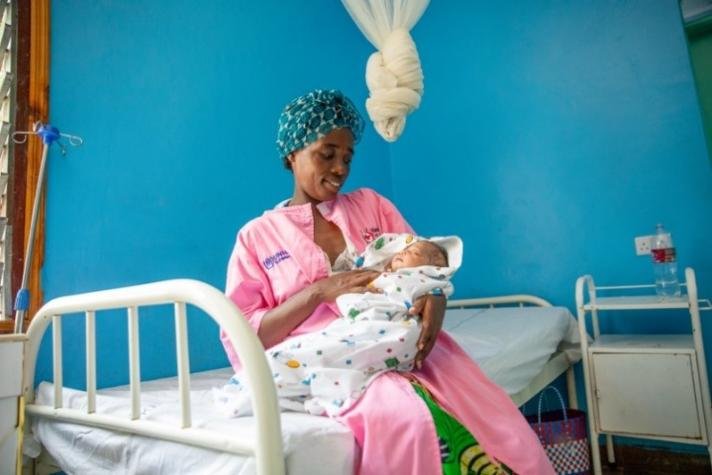

Kenya’s maternal healthcare sector has received a boost after Swedfund, Swedens devlopment finance institution, committed $600,000 (approximately KSh 77 million) to Jacaranda Maternity, a Nairobi-based healthcare provider focused on delivering affordable maternity services to low- and middle-income communities.
The investment is expected to support the expansion of Jacaranda’s network of maternity hospitals, improve neonatal care services, and strengthen existing facilities as the provider scales operations to meet growing demand for quality maternal healthcare.
Jacaranda Maternity, which operates several facilities across Nairobi, has built a reputation for offering high-quality care at lower prices compared to traditional private hospitals. Its model targets underserved populations that often fall between public healthcare systems and expensive private providers.
The new funding will enable the organisation to open additional hospitals and upgrade neonatal intensive care units (NICUs), a critical component in reducing infant mortality and improving newborn health outcomes.
“This investment will help Jacaranda Maternity provide life-saving care to more women and families while furthering Swedfund’s mission to promote inclusive and sustainable healthcare,” said Audrey Obara, senior investment manager at Swedfund.
Kenya continues to face significant challenges in maternal and newborn health, despite progress in recent years. While more women are now accessing skilled birth attendance, disparities in healthcare quality and accessibility persist, particularly among low-income populations in urban and peri-urban areas.
Public health facilities, which serve the majority of Kenyans, often face capacity constraints, including overcrowding, limited equipment, and staffing shortages. As a result, private providers like Jacaranda Maternity are increasingly playing a complementary role in bridging the healthcare gap.
By offering essential services such as maternity care, paediatrics, and emergency treatment at accessible price points, Jacaranda aims to improve health outcomes while easing pressure on public hospitals.
The company’s long-term strategy includes expanding its network to six hospitals, a scale it believes will allow it to achieve financial sustainability while broadening its impact.
Beyond infrastructure expansion, the investment also supports innovation in healthcare delivery. Jacaranda has been at the forefront of integrating technology and patient-centred care models to improve service quality and efficiency, particularly in maternal and neonatal care.
Its focus on neonatal intensive care is especially significant, given that newborn complications remain a leading cause of mortality in Kenya. Strengthening NICU capacity is expected to play a crucial role in saving lives and improving long-term health outcomes.
Jacaranda’s growth also reflects a broader trend in Kenya’s healthcare sector, where impact-driven investments are increasingly targeting scalable solutions to systemic challenges. With a strong emphasis on sustainability and social impact, such investments aim to deliver both financial returns and measurable improvements in public health.
The organisation has also distinguished itself through its workforce composition and operational practices. With women making up approximately 71 per cent of its staff, Jacaranda positions itself not only as a healthcare provider but also as a contributor to gender equity in employment.
Swedfund’s investment aligns with its broader mandate to support inclusive economic development in emerging markets, particularly through initiatives that enhance access to essential services such as healthcare.
For Kenya, the partnership highlights the growing role of private capital in addressing critical gaps in the health system, especially in urban centres where population growth continues to strain existing infrastructure.
As Jacaranda Maternity moves forward with its expansion plans, the success of the initiative will likely depend on its ability to maintain affordability while scaling operations, a balance that remains central to its mission of delivering accessible, high-quality maternal healthcare.
If achieved, the investment could mark a significant step toward improving maternal and newborn health outcomes in Kenya, while setting a model for sustainable healthcare delivery across the region.
Read Also: Game-Changing Move: Kenya Fast-Tracks Fresh Produce Exports at Ports – Business News
Previous Post
Next Post