Now Reading: India Sends Food Aid as It Eyes Africa’s Critical Minerals
-
01
India Sends Food Aid as It Eyes Africa’s Critical Minerals


India is ramping up humanitarian assistance across Africa while positioning itself for a larger role in the continent’s strategic minerals sector, signalling a dual approach that blends diplomacy with long term economic interests.
In recent weeks, New Delhi has delivered thousands of tonnes of rice to countries facing food crises, including 1,000 tonnes to Burkina Faso, 1,000 tonnes to drought-hit Malawi, and 500 tonnes alongside relief supplies to flood-affected Mozambique.
Officials say the shipments are part of India’s broader commitment to supporting countries in the Global South, particularly those grappling with climate-related shocks such as droughts and floods.
In Malawi, the food aid follows a severe drought linked to the El Niño weather pattern, which has left more than four million people facing acute food shortages. Mozambique, meanwhile, has been dealing with flooding that has displaced communities and disrupted livelihoods.
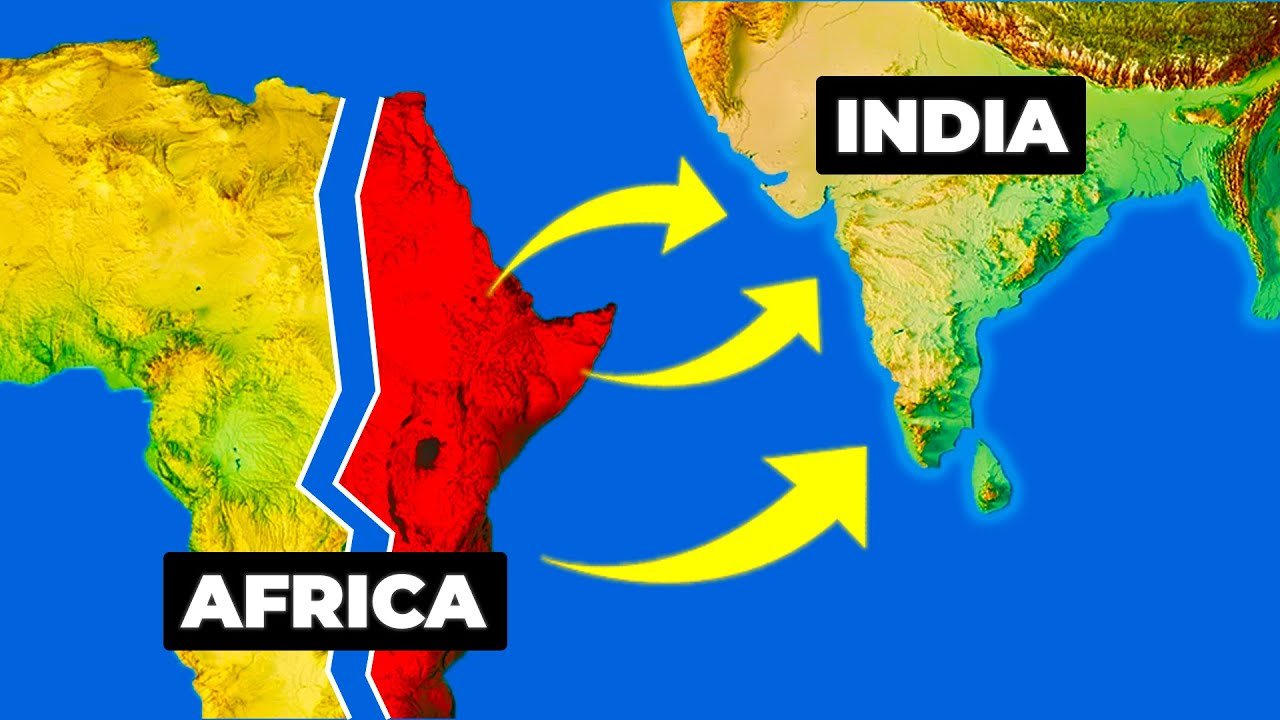
While the humanitarian effort addresses immediate needs, analysts say it also reflects a strategic shift in India’s engagement with Africa, as it seeks to deepen its influence in a region that is becoming increasingly central to global supply chains.
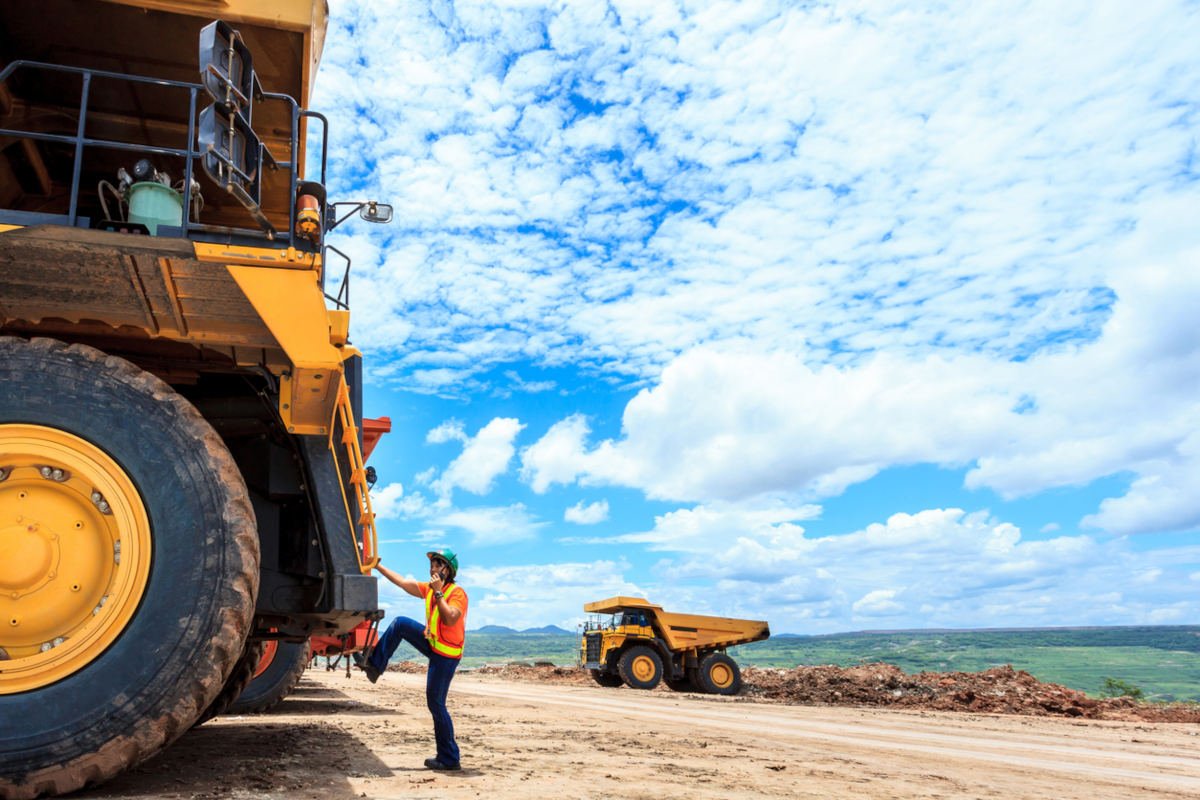
Africa’s vast reserves of critical minerals, including those used in batteries, renewable energy systems, and advanced technologies, have drawn growing interest from major global powers.
China and the United States have already established strong footholds, using different approaches to secure access to these resources.
China has focused on infrastructure financing, building railways, ports, and power projects in exchange for long-term resource access. The United States has prioritised private sector investment and supply chain partnerships, often supported by infrastructure development initiatives.
India’s recent moves suggest it is adopting elements of both strategies, using humanitarian outreach and diplomatic engagement as a foundation for future economic cooperation.
A policy paper by the Centre for Social and Economic Progress has called for India to pursue value-driven partnerships in Africa’s critical minerals sector, emphasising technology transfer, capacity building, and local value addition.
The push comes at a time of heightened global energy uncertainty. Disruptions around key shipping routes, particularly the Strait of Hormuz, have exposed vulnerabilities in global supply chains and underscored the need for diversification.
Experts say securing access to critical minerals is becoming just as important as ensuring stable oil supplies, as countries accelerate the transition to clean energy and digital infrastructure.
For African nations, the growing interest presents both opportunities and challenges. Increased competition among global powers could unlock investment, infrastructure development, and technology transfer. However, it also raises questions about how countries can maximise value from their resources and avoid extractive models that limit long-term benefits.
India’s emphasis on partnership and capacity building could resonate with governments seeking more balanced arrangements, though its approach is still in the early stages compared to more established players.
The timing of the outreach is significant. As global demand for critical minerals rises, African countries are moving from peripheral roles to becoming key players in strategic supply chains.
India’s engagement signals recognition of this shift, as it seeks to secure its position in a rapidly evolving global landscape.
By combining humanitarian support with economic ambition, New Delhi appears to be laying the groundwork for deeper ties with Africa, positioning itself as both a development partner and a strategic investor in one of the world’s most important emerging regions.
Also Read: Power Rationing and Fuel Strain Define Africa’s Growing Energy Crisis – Business News
Related Posts
Previous Post
Next Post