Now Reading: Jet Fuel Prices Threaten Travel Costs for Passengers
-
01
Jet Fuel Prices Threaten Travel Costs for Passengers

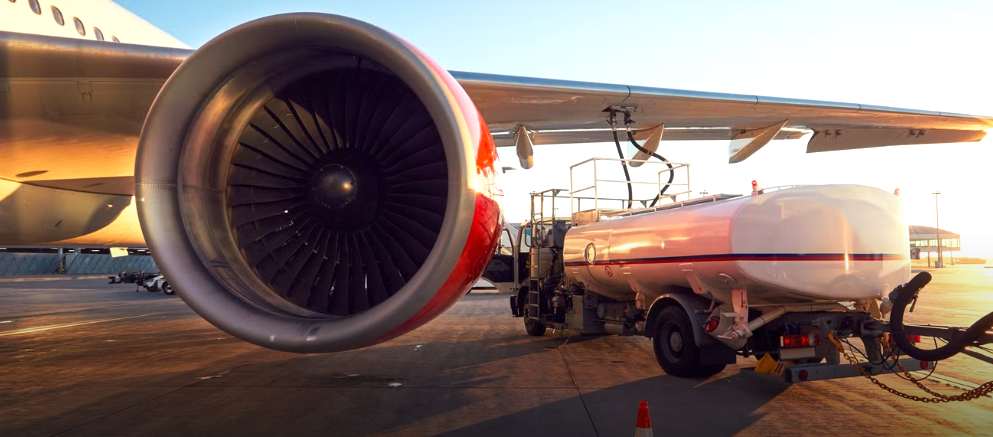

Jet fuel prices are climbing sharply, raising concerns across the aviation industry that ticket prices may soon follow suit. Analysts warn that airlines operating in Kenya and globally could be forced to adjust airfares to offset the surge in fuel costs, which represent one of the largest components of airline operating expenses. As global energy markets remain volatile, the increase in jet fuel prices is placing financial pressure on carriers already navigating tight profit margins and intense competition.
Rising Jet Fuel Prices Strain Airline Operations
Airlines typically spend a significant portion of their operating budgets on fuel, making jet fuel prices a critical factor in determining ticket costs and route profitability. When fuel costs spike, carriers often face difficult choices — absorb the extra expense, reduce operational capacity, or increase ticket prices.
Industry analysts say that sustained increases in jet fuel prices could push airlines to introduce fuel surcharges or adjust fare structures, particularly on long-haul routes. Airlines operating through key hubs such as Jomo Kenyatta International Airport may feel the impact most acutely due to high volumes of international traffic.
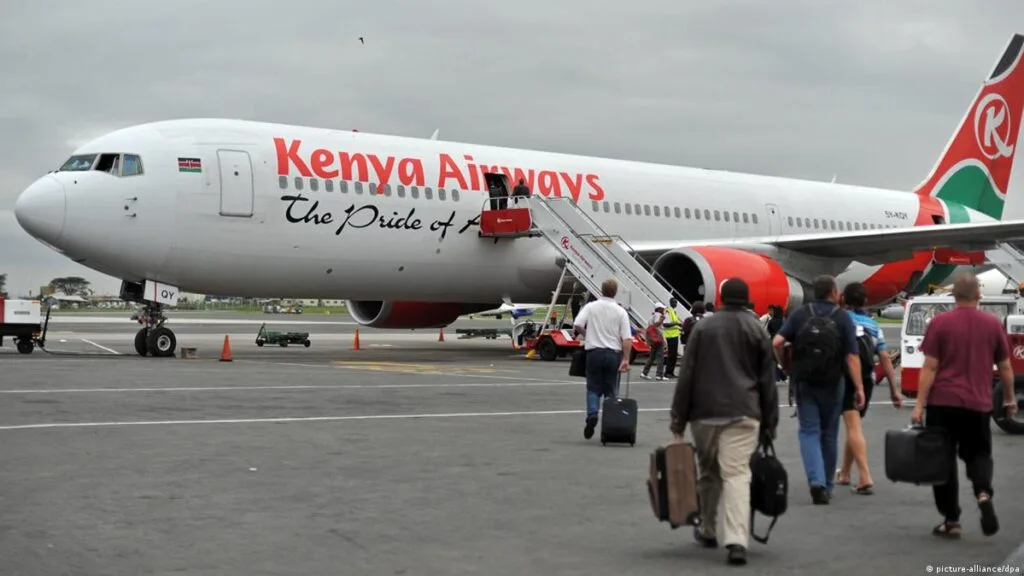
Airlines like Kenya Airways are especially sensitive to fuel price fluctuations because of their extensive route networks and reliance on international flights.
Potential Impact on Travelers and Tourism
Higher jet fuel prices could translate into increased airfare costs for passengers, affecting both domestic and international travel. Tourists, business travelers, and cargo operators could all experience the ripple effects of rising aviation fuel expenses.
The aviation sector plays a crucial role in supporting tourism and trade in Kenya. If ticket prices rise significantly, travel demand could soften, particularly among price-sensitive leisure travelers. This could have knock-on effects for the hospitality industry, tour operators, and airport services.
Analysts note that airlines often hedge fuel purchases to mitigate price volatility, but hedging strategies only provide temporary protection when global energy prices continue to climb.
You Might Also Like: Sasini Tea Exports Target China and India for Market Diversification
Despite these challenges, industry experts say airlines are likely to focus on improving fuel efficiency, optimizing flight routes, and deploying newer aircraft to reduce consumption. Technological upgrades and operational efficiency measures can help cushion the impact of rising jet fuel prices.
Ultimately, the trajectory of jet fuel prices will remain a critical factor shaping the aviation sector’s profitability, passenger demand, and ticket pricing trends in the months ahead.

Previous Post
Next Post