Now Reading: Kenya and Ethiopia Lead Africa’s $20 Billion Foreign Investment Surge
-
01
Kenya and Ethiopia Lead Africa’s $20 Billion Foreign Investment Surge
Kenya and Ethiopia Lead Africa’s $20 Billion Foreign Investment Surge

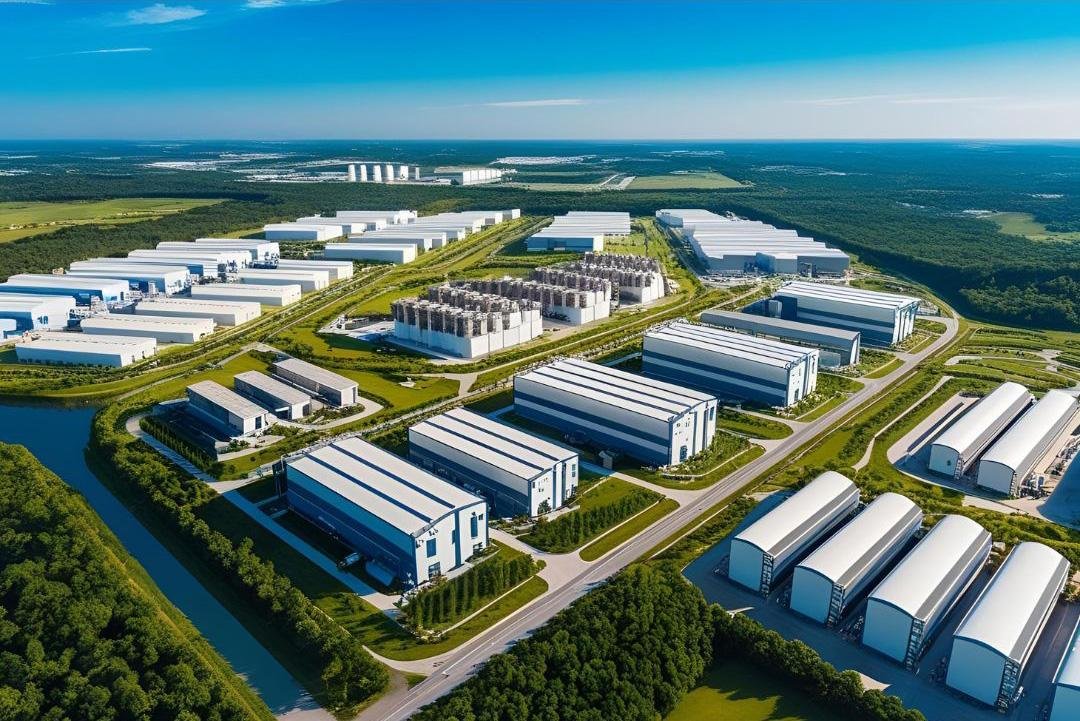

Africa’s investment landscape is undergoing a powerful shift as fresh capital flows signal renewed global confidence in the continent’s growth story. The latest Africa foreign direct investment (FDI) surge, driven largely by Kenya and Ethiopia, has pushed total inflows beyond $20 billion, marking a significant turning point for regional economies. This surge of FDI is not only strengthening key sectors such as infrastructure, manufacturing, and energy but also reshaping how global investors perceive risk and opportunity across Africa. As capital accelerates into these markets, the FDI surge is becoming a defining indicator of economic resilience and long-term potential in an increasingly competitive global environment.
FDI Surge Gains Momentum as Kenya and Ethiopia Lead Investment Growth
The FDI surge is being propelled by a strategic combination of policy reforms, infrastructure expansion, and market potential, with Kenya and Ethiopia emerging as central players in this transformation. Both countries have positioned themselves as investment hubs by prioritizing industrialization, improving business environments, and actively courting international investors.
In Kenya, sustained investment in technology, financial services, and logistics is reinforcing its role as East Africa’s commercial gateway. Nairobi continues to attract multinational corporations and venture capital, particularly in fintech and digital infrastructure, as regulators such as the Central Bank of Kenya maintain relative monetary stability. This has created a favorable environment for foreign investors seeking both growth and regional access.
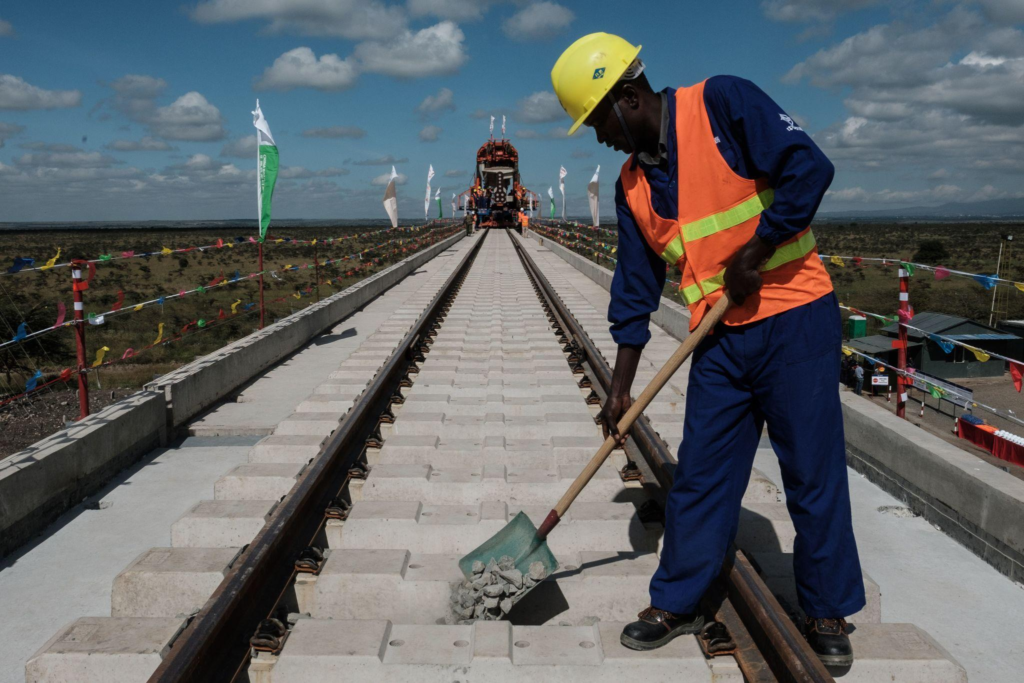
Ethiopia, on the other hand, is leveraging large-scale industrial parks and manufacturing zones to drive its share of the FDI surge. The government’s push toward export-led growth, combined with gradual economic liberalization, has made the country increasingly attractive to investors in textiles, agro-processing, and light manufacturing. Analysts point to Ethiopia’s population size and labor force as key advantages, positioning it as a long-term industrial powerhouse despite ongoing macroeconomic and political challenges.
Across both markets, infrastructure development is playing a decisive role. Transport corridors, energy projects, and logistics hubs are reducing operational bottlenecks, making it easier for investors to deploy capital efficiently. As a result, the FDI surge is no longer concentrated in extractive industries alone but is spreading into diversified sectors that support sustainable economic expansion.
FDI Surge Signals Shifting Global Capital Flows and Long-Term Opportunity
Beyond country-specific gains, the broader FDI surge reflects a structural shift in global investment patterns. As companies seek new growth frontiers amid slowing expansion in developed markets, Africa is increasingly viewed as a high-potential destination with untapped consumer demand and resource wealth.
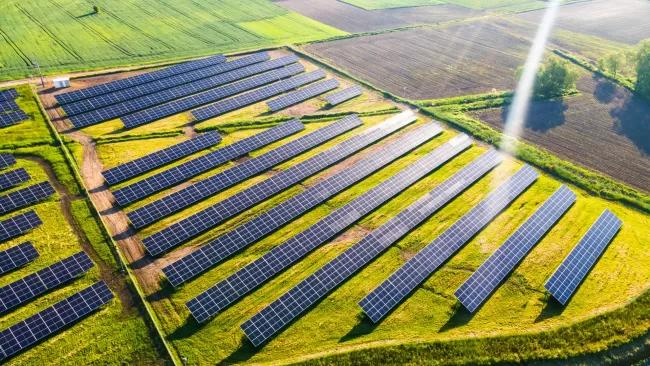
This repositioning is particularly evident in sectors such as renewable energy, digital infrastructure, and manufacturing. Investors are aligning capital with long-term trends, including energy transition and supply chain diversification, both of which favor African markets with abundant resources and strategic geographic positioning. The surge in FDI is also being supported by policy frameworks aimed at improving transparency, reducing bureaucratic barriers, and enhancing investor protections.
You Might Also Like: ARISE IIP to Invest $3 Billion in Kenya Industrial Parks
However, the rise in capital inflows is not without challenges. Currency volatility, regulatory inconsistencies, and geopolitical risks continue to influence how investors price African assets. Institutions such as the International Monetary Fund have repeatedly emphasized the need for fiscal discipline and structural reforms to sustain investor confidence. Without these safeguards, the momentum behind the FDI surge could face periodic disruptions.
Even so, the scale of recent inflows suggests a deeper shift is underway. Investors are not only responding to short-term opportunities but are increasingly making long-term bets on Africa’s economic trajectory. For policymakers, this presents a critical window to convert capital inflows into inclusive growth, job creation, and industrial capacity.
As Kenya and Ethiopia continue to anchor this trend, the FDI surge is evolving into more than just a headline figure. It is becoming a signal of Africa’s growing relevance in the global economy, where risk and opportunity are being recalibrated in real time.
Related Posts



Previous Post
Next Post