Now Reading: Kenya Flower Exports Hit by $1.4 Million Weekly Losses as Conflict Disrupts Cargo
-
01
Kenya Flower Exports Hit by $1.4 Million Weekly Losses as Conflict Disrupts Cargo
Kenya Flower Exports Hit by $1.4 Million Weekly Losses as Conflict Disrupts Cargo

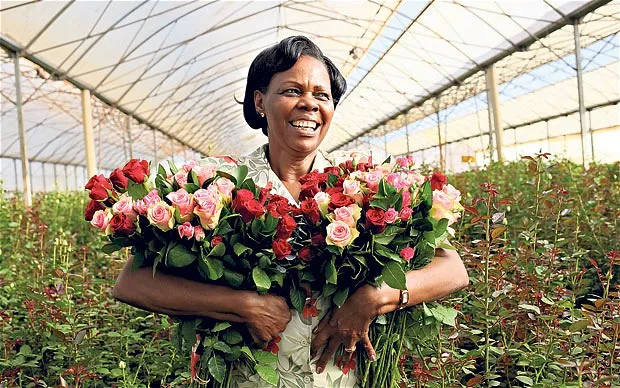

Kenya’s flower industry is facing mounting losses of up to $1.4 million per week as escalating conflict in the Middle East continues to disrupt air cargo networks and drive up logistics costs.
The Kenya Flower Council has warned that the situation is placing severe strain on one of the country’s most important export sectors, with losses already exceeding $4.2 million over the past three weeks due to shipment delays and reduced cargo capacity.
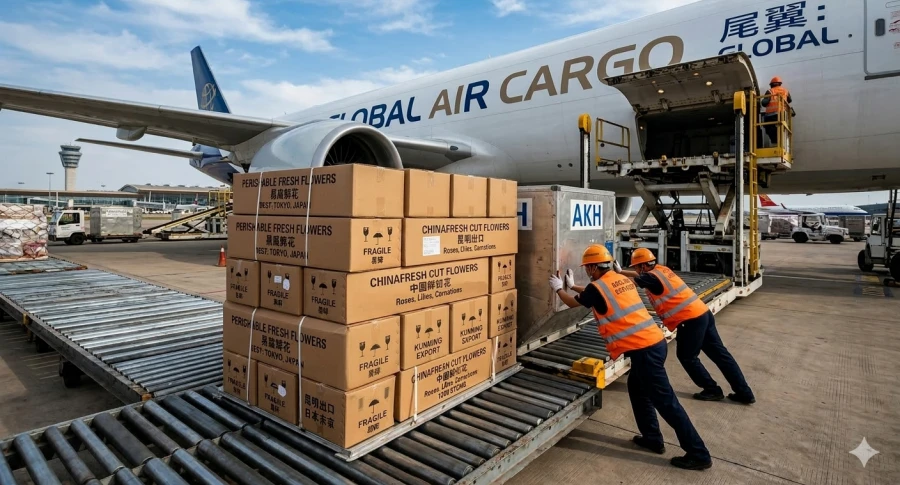
The disruption is being driven by restricted airspace and rerouted flights across the Middle East, a key transit corridor for Kenya’s time-sensitive flower exports to Europe and other global markets.
As a result, air cargo capacity on some routes has dropped by as much as 30 per cent, while delays of up to 48 hours have become increasingly common.
For a sector built on speed and freshness, even short delays can significantly reduce product quality and market value.
“We are seeing a reduction in movement, delays in movement of produce, and longer routes, while pricing is extremely high,” said Kenya Flower Council chief executive Clement Tulezi.

Freight costs have surged sharply, with exporters now paying as much as $5.30 per kilogram on some routes, driven by longer flight paths, higher fuel costs, and additional war risk charges.
In some cases, shipping costs have increased by more than 20 per cent, squeezing already thin margins for growers.
The impact is being felt across the value chain. Flower farms that rely heavily on Middle Eastern markets have reported revenue declines of up to 75 per cent, while others supplying Europe are also experiencing reduced volumes due to disrupted transit routes.
At farm level, the consequences are stark. Some growers say they are now discarding up to half of their daily output due to missed delivery windows, as flowers arrive late or in unsellable condition.
The floriculture sector is a key pillar of Kenya’s export economy, generating about $835 million in annual revenue and supporting hundreds of thousands of jobs.
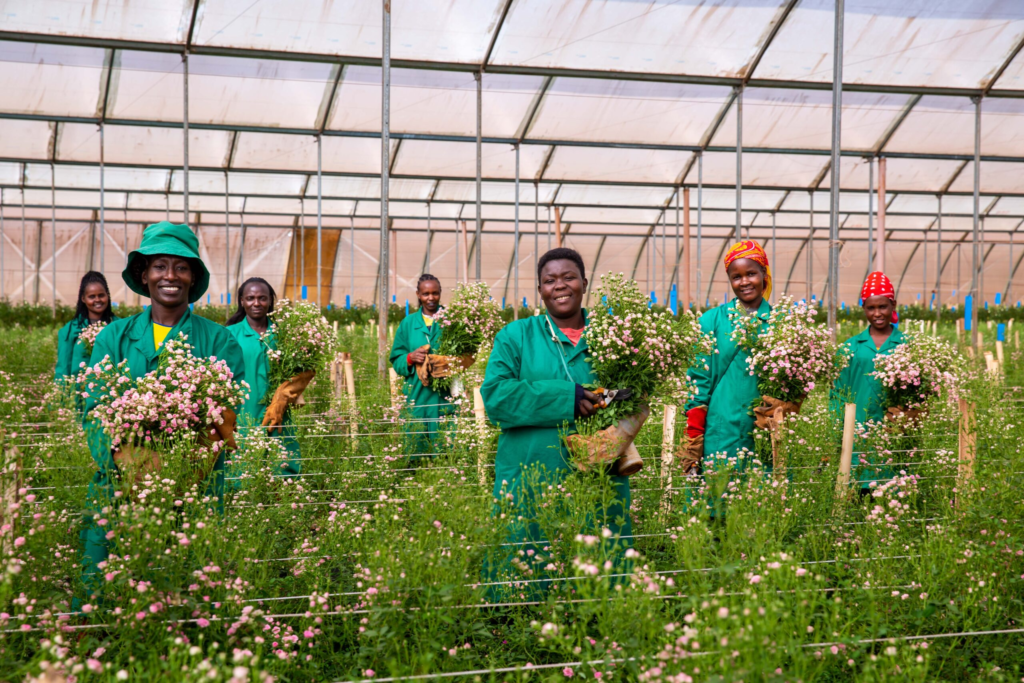
Industry stakeholders warn that prolonged disruption could have wider economic implications, affecting foreign exchange earnings, employment, and rural livelihoods.
The Middle East plays a dual role in this system. It is both a direct export market, accounting for between 10 per cent and 15 per cent of Kenya’s flower exports, and a critical logistics hub through which shipments to Europe and other destinations pass.
Disruptions in the region are therefore affecting the entire supply chain, not just direct trade flows.
In response, the Kenya Flower Council is calling for urgent government support to stabilise the sector.
Key demands include the release of pending VAT refunds estimated at $77 million, which exporters say are essential for maintaining cash flow during the crisis.
The current situation has drawn comparisons to the Covid 19 period, when logistics disruptions created similar challenges of limited capacity, rising costs, and unpredictable delivery schedules.
The industry is also working with airlines and logistics providers to secure additional cargo capacity, explore alternative routes, and prioritise perishable shipments. However, stakeholders acknowledge that these measures can only provide limited relief in the face of broader structural constraints in global air freight.
For now, the outlook remains uncertain. Much will depend on how quickly flight networks stabilise and whether geopolitical tensions ease.
What is clear, however, is that the crisis has exposed the vulnerability of highly specialised export sectors to global disruptions. For Kenya’s flower industry, maintaining access to reliable and efficient logistics is not just a matter of competitiveness, but of survival.
Read Also: Fuel Crisis Threatens South Africa’s Citrus Export Season – Business News
Related Posts


Previous Post
Next Post