Now Reading: Kenya Macadamia Exports Eye India in Bold Bid to Reverse Decline
-
01
Kenya Macadamia Exports Eye India in Bold Bid to Reverse Decline

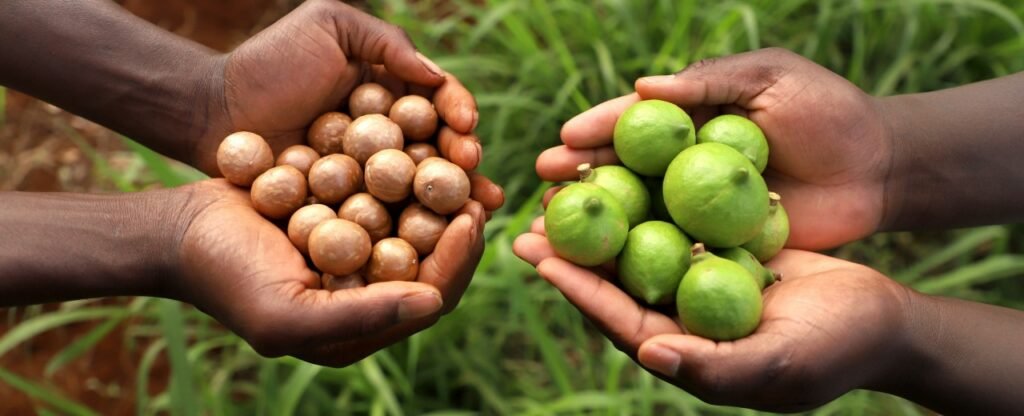

Kenya macadamia exports are entering a decisive phase as exporters and policymakers move to recalibrate trade strategy amid declining demand and price volatility in established markets. The East African nation, long reliant on a narrow group of buyers, is now aggressively targeting India in a bid to cushion farmers and processors from sustained global headwinds. Industry data show that falling prices, stockpiles, and tighter import conditions in key markets have squeezed earnings across the value chain. The proposed pivot to India is emerging as a high-stakes but potentially transformative opportunity for Kenya’s agricultural export sector.
Kenya Macadamia Exports Under Pressure From Market Volatility
Over the past two years, Kenya macadamia exports have experienced notable turbulence. Global oversupply, weaker consumer demand in premium markets, and aggressive pricing by competitors have dampened returns for Kenyan exporters. This has left processors grappling with idle capacity while farmers face shrinking farm-gate prices.
Historically, Kenyan macadamia shipments have been concentrated in Asia and select Western markets, creating exposure to demand shocks. Industry stakeholders argue that diversification is no longer optional but urgent. The volatility has also reignited debate over raw nut exports versus value-added processing — a policy issue that has shaped the industry’s regulatory environment in recent years.
The role of the Agriculture and Food Authority has become increasingly central as it seeks to balance farmer interests with processor competitiveness. Authorities have maintained restrictions aimed at encouraging local value addition, but exporters insist that market access flexibility is critical in times of global downturn.
According to sector analysts, the current downturn is not merely cyclical but structural. “Export concentration risk is now clearly visible in Kenya’s macadamia sector. Diversifying into high-growth economies like India could reduce volatility and unlock long-term resilience,” said one Nairobi-based agribusiness economist.
With production volumes continuing to rise despite soft global prices, the mismatch between supply and demand has intensified pressure across the industry. This makes market expansion not just strategic — but necessary.

Kenya Macadamia Exports Target India for Strategic Growth
The shift toward India represents a calculated effort to tap into a vast consumer base with rising disposable income and increasing appetite for premium nuts. India’s expanding middle class and evolving consumption patterns are seen as fertile ground for macadamia growth, especially in confectionery, health foods, and premium snack segments.
For Kenya, whose macadamia industry has matured into one of Africa’s largest, this move could stabilize export earnings while reducing dependence on a limited number of buyers. Trade officials are exploring improved bilateral engagement, tariff negotiations, and stronger marketing campaigns to build brand visibility in India’s competitive retail environment.
See Also: Dollar-Denominated I-Reits Could Transform Kenya’s Property Investment Landscape
Industry players note that India’s nut market has historically been dominated by almonds and cashews, but shifting dietary trends and urbanization are opening space for diversification. Kenyan exporters are positioning macadamia as a premium alternative with strong health credentials, leveraging global wellness trends to attract Indian consumers.
The pivot is also aligned with broader government efforts to strengthen agricultural export earnings amid currency pressures and fiscal consolidation efforts. Agriculture remains a cornerstone of Kenya’s foreign exchange generation, and macadamia is among the country’s top-performing high-value crops.
However, success will depend on pricing competitiveness, supply chain efficiency, and strategic marketing investments. Exporters must navigate logistics costs, tariff structures, and brand awareness challenges in India’s diverse regional markets.
If executed effectively, the India strategy could represent a stabilizing breakthrough for Kenya macadamia exports — transforming a period of uncertainty into an opportunity for geographic expansion and revenue diversification.
Related Posts