Now Reading: Kenya Meat Exports Plunge as Cargo Flights to Gulf Region Collapse
-
01
Kenya Meat Exports Plunge as Cargo Flights to Gulf Region Collapse

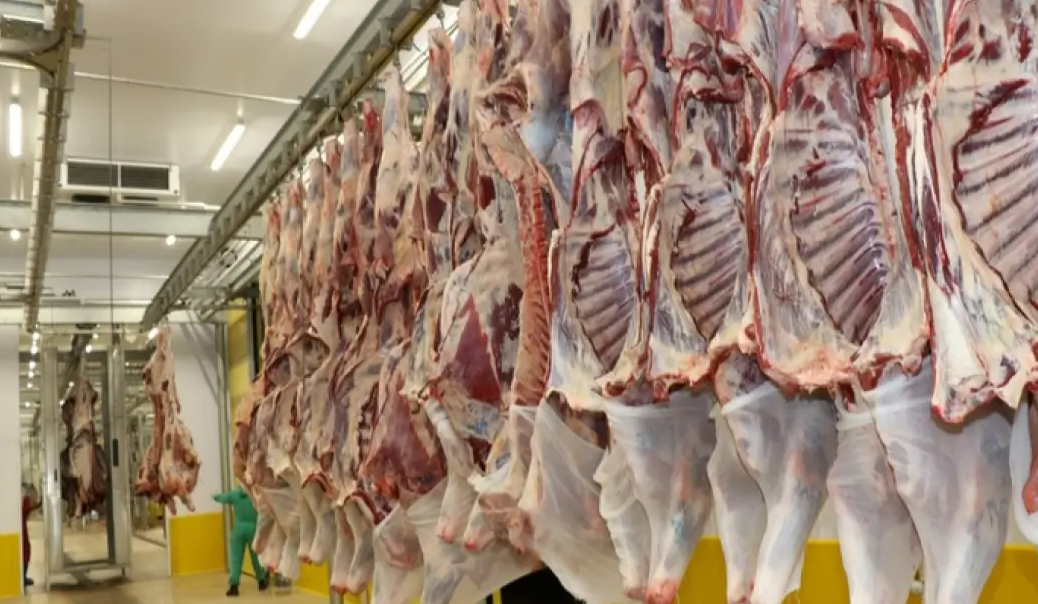

Kenya’s lucrative meat export industry is facing a major disruption after conflict in the Middle East triggered cargo flight cancellations and soaring freight costs, crippling shipments to key Gulf markets. Exporters say the crisis has effectively halted a trade worth about $2.3 million (Sh300 million) every week, leaving tonnes of fresh meat stranded in cold storage facilities. The disruption has come at the worst possible time for exporters, as demand usually surges during the Ramadan season. Industry leaders warn the situation could threaten the viability of Kenya’s livestock export sector if the conflict continues.
Kenya Meat Exports to the Middle East Collapse
The crisis has hit Kenya meat exports to the Middle East, one of the country’s most important overseas markets for beef, goat and lamb.
According to industry officials, exporters who typically ship large volumes of fresh chilled meat to Gulf countries are now operating at less than five percent of normal export levels.
The Middle East is the primary destination for Kenya’s livestock products, with countries such as the United Arab Emirates, Saudi Arabia, Oman and Kuwait accounting for a large share of exports.
The disruption has been driven by escalating geopolitical tensions that have forced airlines to reduce flights to the region while insurance premiums for cargo routes have surged.
As a result, exporters are struggling to secure affordable cargo space, with some forced to rely on expensive charter flights to move limited shipments.
Freight rates have more than doubled in some cases, jumping from around $1–$1.50 per kilogram to as high as $3–$3.50, dramatically increasing transport costs for exporters.
Industry officials say the surge in logistics costs has made many shipments financially unviable.

Ramadan Demand Lost as Supply Chain Disruptions Mount
The collapse in Kenya meat exports to the Middle East has been particularly damaging because it coincides with the Ramadan period, when demand for meat traditionally rises across the Gulf region.
During the peak season, exporters typically ship about 200 tonnes of meat per day, but current volumes have plunged to roughly 5–15 tonnes daily due to the ongoing disruptions.
Since early March, exporters had expected to ship around one million kilograms of meat, but less than 50,000 kilograms have actually reached the market.
The disruption has triggered a ripple effect across the entire livestock value chain.
See Also: Fuel Price Shock Averted: Kenya Fuel Prices Unchanged Despite Iran War Oil Shock
Slaughterhouses are now struggling to clear processed meat quickly enough, while livestock traders and pastoralists face falling demand as exporters scale back operations.
Some facilities have been forced to cut casual labor by as much as 80 percent, while other exporters are redirecting meat originally meant for export to the local market at lower prices.
Industry players warn that prolonged instability in the Middle East could deepen losses and threaten thousands of jobs tied to Kenya’s livestock economy.
For now, exporters remain hopeful that cargo routes will stabilize soon, but analysts say the situation highlights how geopolitical conflicts thousands of kilometres away can quickly disrupt Kenya’s agricultural export sector.
Related Posts



Previous Post
Next Post