Now Reading: Kenya Moves to Monetise Waste with New Investment Blueprint
-
01
Kenya Moves to Monetise Waste with New Investment Blueprint
Kenya Moves to Monetise Waste with New Investment Blueprint

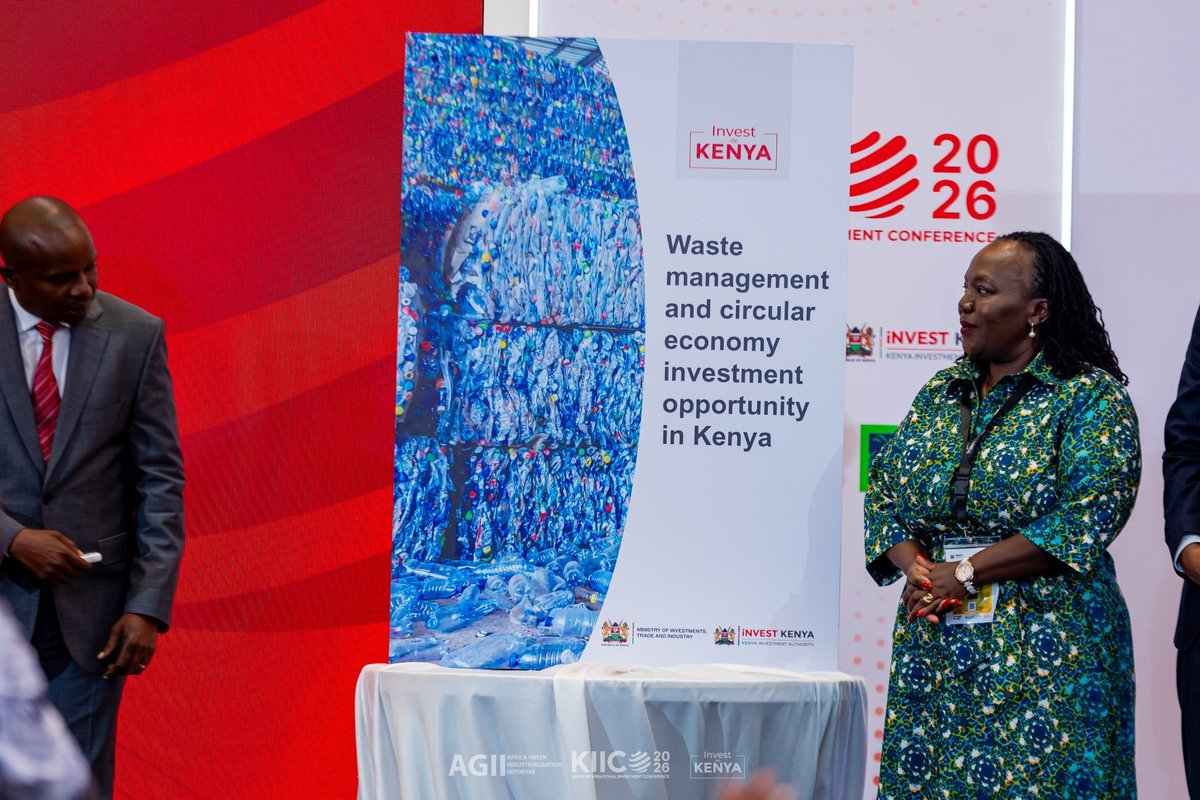

Kenya is positioning its growing waste challenge as a major economic opportunity, with a new investment prospectus projecting more than $700 million in value could be unlocked from the sector by 2030.
Launched at the Kenya International Investment Conference (KIICO), the blueprint sets out a targeted strategy to attract private capital into waste management and circular economy value chains, reframing discarded materials as inputs for industrial growth rather than environmental liabilities.
The plan comes as Kenya generates approximately 22,000 tonnes of waste daily, yet only about 4% is currently recycled, a gap policymakers and investors now see as a significant untapped economic resource.
According to the prospectus, converting waste into value across sectors such as packaging, electronics, and textiles could contribute around 0.5% to Kenya’s GDP while strengthening domestic supply chains and creating new jobs.
The initiative is part of a broader push to position Kenya as a regional hub for circular materials and recycling, aligning with the country’s ambitions for green industrialisation and sustainable growth.
Officials say the sector already has a strong foundation, with more than 120 circular economy businesses operating across the value chain. However, investment has been constrained by fragmented information and limited visibility of scalable opportunities, a gap the new prospectus aims to address by clearly mapping investable projects and pathways for capital deployment.
“Kenya has a significant opportunity to unlock economic value from materials that are currently lost through our waste systems,” said Invest Kenya CEO John Mwendwa, noting that the initiative is designed to attract new investment while strengthening manufacturing linkages.
The prospectus highlights opportunities expected to materialise over the next three to seven years, with a focus on scalable solutions in collection, recycling, and material recovery systems. It also outlines different investment pathways, ranging from early-stage enterprise funding to large-scale infrastructure financing.
The launch comes amid growing global momentum for circular economy models, driven by supply chain disruptions and increasing demand for recycled materials. In Kenya, recent policy developments, including the Sustainable Waste Management Act and Extended Producer Responsibility (EPR) frameworks, are helping create a more predictable and investor-friendly environment.
Industry stakeholders say these reforms are critical in reducing regulatory uncertainty and enabling long-term capital flows into the sector.
“Kenya has all the ingredients needed to build a thriving circular economy,” said Ben Dixon of Systemiq, one of the partners involved in developing the prospectus. He pointed to strong policy momentum, a growing business ecosystem, and rising investor interest as key drivers of the sector’s potential.
The prospectus also emphasises the need for stronger coordination between government, investors, and industry players to scale existing solutions. While innovation is already taking place, stakeholders say unlocking the full potential of the sector will require sustained investment and partnerships.
For investors, the opportunity lies not only in waste management itself, but in the broader value chains it can support, from manufacturing inputs to new business models built around reuse and recycling.
The timing is significant. As global investors increasingly prioritise sustainability and resource efficiency, circular economy investments are gaining traction as both environmentally and economically viable.
Kenya’s strategy reflects a shift in thinking across the continent, where countries are seeking to turn structural challenges into growth opportunities. By transforming waste into a resource, policymakers aim to reduce reliance on imported raw materials, improve environmental outcomes, and create resilient local industries.
Ultimately, the success of the initiative will depend on execution, particularly the ability to convert identified opportunities into bankable projects that attract long-term capital.
But with policy support strengthening and investor interest growing, Kenya’s waste sector is emerging as one of the country’s most promising new frontiers for investment.
Also Read: Kenya sets new maize seed prices under subsidy to boost food security – Business News
Related Posts

Previous Post
Next Post