Now Reading: Kenya’s Economy in 2026: Are We Heading in the Right or Wrong Direction?
-
01
Kenya’s Economy in 2026: Are We Heading in the Right or Wrong Direction?

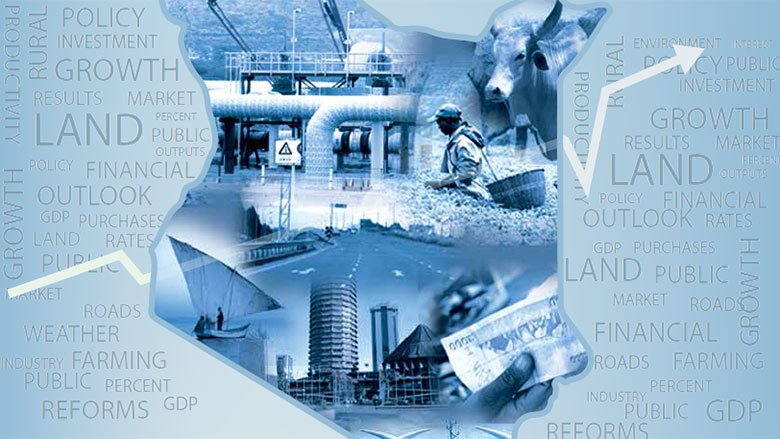


Kenya’s economy stands at a critical crossroads in 2026. On one hand, the country continues to post steady growth, expand infrastructure and deepen digital transformation. On the other, it faces rising public debt, heavy taxation and high cost of living pressures. The big question remains: is Kenya moving in the right direction economically?
Growth: The Numbers Behind the Momentum
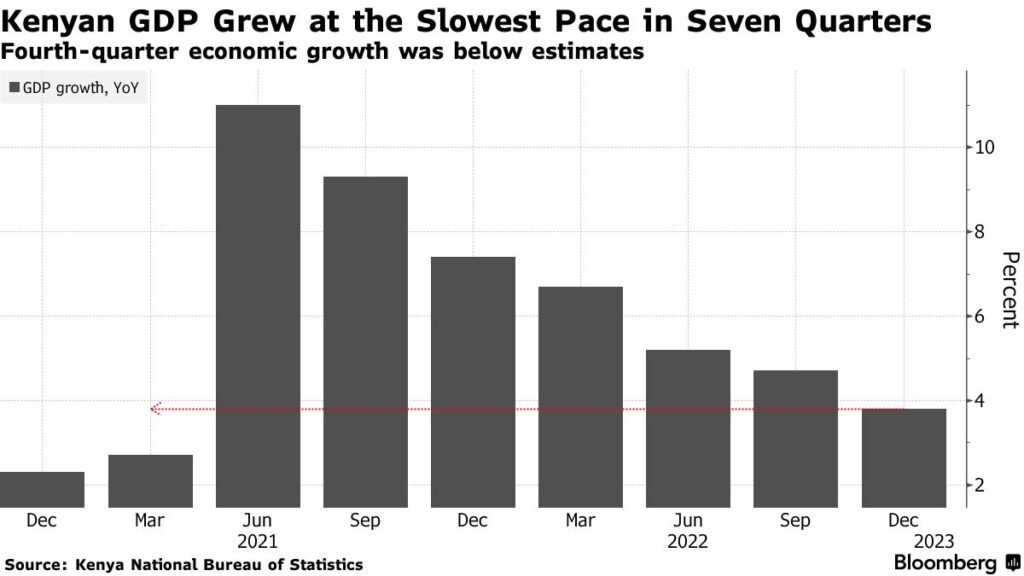
Kenya’s Gross Domestic Product (GDP) growth has remained relatively resilient compared to many African economies. In recent years, growth has averaged between 5% and 5.5% annually, supported by agriculture, financial services, transport and ICT.
To put this into perspective, if Kenya’s GDP stands at approximately KSh 15 trillion, a 5% growth rate translates to an additional KSh 750 billion in economic output in a single year. That expansion is significant — it means more goods produced, more services offered and potentially more jobs created.
However, GDP growth alone does not tell the full story. Kenya’s population grows at about 2% per year. Mathematically, if GDP grows at 5% and population grows at 2%, the real per capita growth rate is roughly 3%. That means the average Kenyan’s income may be rising, but at a much slower pace than headline figures suggest.
Debt: The Elephant in the Room
Kenya’s public debt has crossed the KSh 10 trillion mark. If Kenya’s GDP is about KSh 15 trillion, that means the debt-to-GDP ratio stands at approximately:
Debt-to-GDP = (10 trillion ÷ 15 trillion) × 100
= 66.7%
A ratio above 60% is often considered a warning threshold for developing economies. This means nearly two-thirds of the country’s annual economic output equals its total debt burden.
Debt servicing consumes a large share of government revenue. If Kenya collects about KSh 2.5 trillion in revenue annually and spends close to KSh 1 trillion on debt repayment, that means nearly 40% of all tax revenue goes toward servicing loans rather than funding development.
This mathematical reality limits fiscal space. It means fewer resources for health, education, and infrastructure unless revenue increases or spending is cut.
Also Read: Kenya Enters “Electionomics” as 2027 Countdown Triggers Economic Split
Inflation and Cost of Living
Inflation has fluctuated between 6% and 9% in recent years. While that may seem moderate on paper, compound inflation has a powerful impact over time.
For example, if inflation averages 7% annually, the price of goods doubles roughly every 10 years due to the Rule of 72:
72 ÷ 7 ≈ 10 years.
That means if basic household expenses are KSh 30,000 per month today, they could exceed KSh 60,000 in a decade without corresponding income growth.
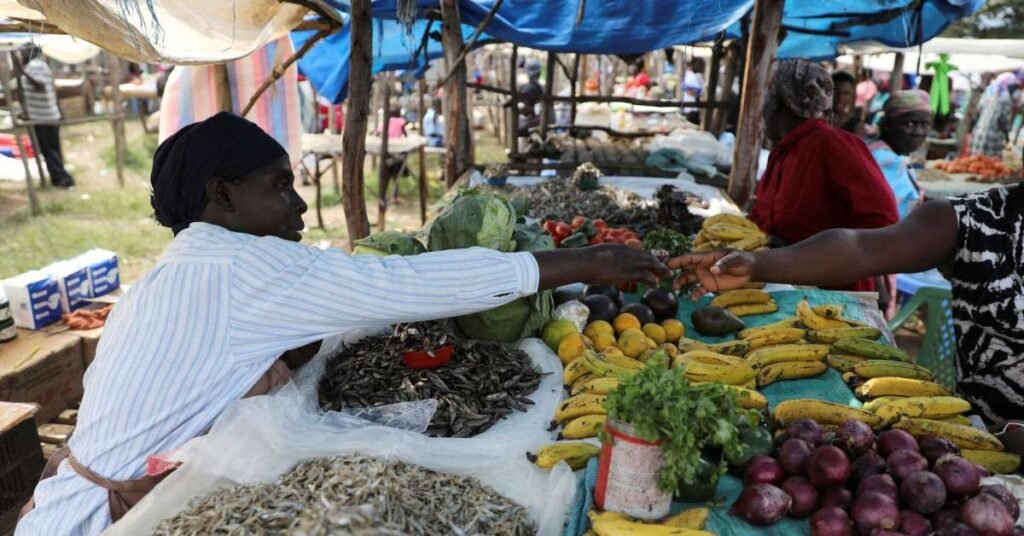
Fuel prices, food costs and housing have particularly strained households. Since food accounts for nearly 30% of Kenya’s consumer basket, even a 10% increase in food prices significantly affects low-income families.
Employment and Productivity
Kenya’s labour force grows by hundreds of thousands annually. If approximately 800,000 young people enter the job market each year but formal job creation remains below 200,000 annually, the arithmetic reveals a structural gap.
This gap explains why the informal sector accounts for over 80% of employment. While informal jobs provide livelihoods, they often lack social protection, stable wages and pension coverage.
However, sectors like ICT and fintech continue to expand rapidly. Digital payments process trillions of shillings annually, increasing financial inclusion and economic participation.
Taxation and Revenue Strategy
To manage debt and fund development, the government has expanded its tax base. Kenya’s tax-to-GDP ratio hovers around 16% to 18%. For comparison, developed economies often exceed 25%.
If GDP is KSh 15 trillion and tax revenue is KSh 2.5 trillion, the tax-to-GDP ratio is:
(2.5 ÷ 15) × 100 = 16.7%.
The government aims to push this higher, but increased taxation has sparked debate about business competitiveness and consumer spending power.
Higher taxes reduce disposable income. If an individual earns KSh 100,000 and pays 30% in combined taxes and deductions, they are left with KSh 70,000. Reduced consumption can slow economic momentum.
Infrastructure and Investment
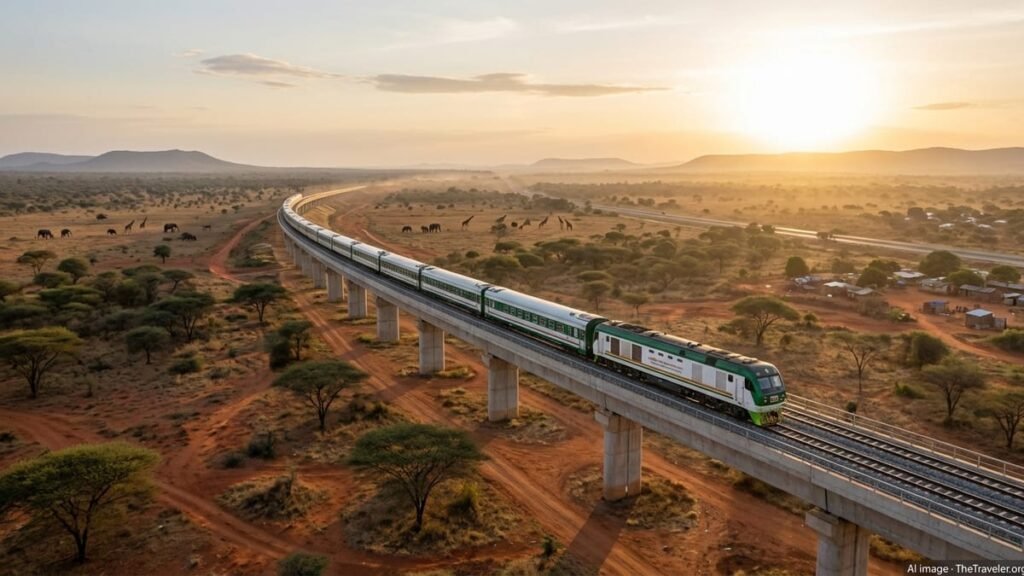
Kenya continues investing heavily in roads, affordable housing and digital infrastructure. Infrastructure spending has multiplier effects.
If the government invests KSh 100 billion in infrastructure and the fiscal multiplier is 1.5, the economy could expand by KSh 150 billion due to job creation and increased demand.
The Digital Superhighway initiative and expansion of broadband connectivity are also positioning Kenya as a regional technology hub.
Foreign direct investment (FDI), though fluctuating, remains critical. Increased investor confidence often depends on macroeconomic stability, currency strength and predictable taxation policies.
The Currency Factor
The Kenyan shilling has faced periods of depreciation against major currencies. Currency weakness increases the cost of imports, including fuel and industrial inputs.
If the exchange rate moves from 120 to 160 shillings per dollar, that is a 33% depreciation:
(160 − 120) ÷ 120 × 100 = 33%.
Such shifts directly affect inflation and debt repayment, especially for foreign-denominated loans.
So, Are We Moving in the Right Direction?
From a macroeconomic standpoint, Kenya remains one of East Africa’s strongest economies, with diversified sectors and resilient growth.
However, sustainability is the central concern. The equation is simple:
If Economic Growth Rate > Debt Growth Rate → Stability improves.
If Debt Growth Rate > Economic Growth Rate → Risk increases.
For Kenya to move firmly in the right direction, GDP growth must consistently outpace debt accumulation. Revenue collection must become more efficient without overburdening households. Productivity must rise faster than population growth.
The country is not in economic collapse. But neither is it in full comfort. Kenya’s trajectory depends on fiscal discipline, private sector expansion and structural reforms that convert growth into inclusive prosperity.
In mathematical terms, the direction is positive but fragile. The coming years will determine whether current reforms compound into long-term stability — or whether mounting debt and cost-of-living pressures tilt the balance the other way.
Previous Post
Next Post