Now Reading: Kenya’s economy regains footing as inflation falls and growth outlook improves
-
01
Kenya’s economy regains footing as inflation falls and growth outlook improves
Kenya’s economy regains footing as inflation falls and growth outlook improves




Kenya’s economy is showing renewed stability after inflation eased significantly last year, National Treasury Principal Secretary Dr. Chris Kiptoo has said, pointing to stronger private sector activity and improved growth prospects.
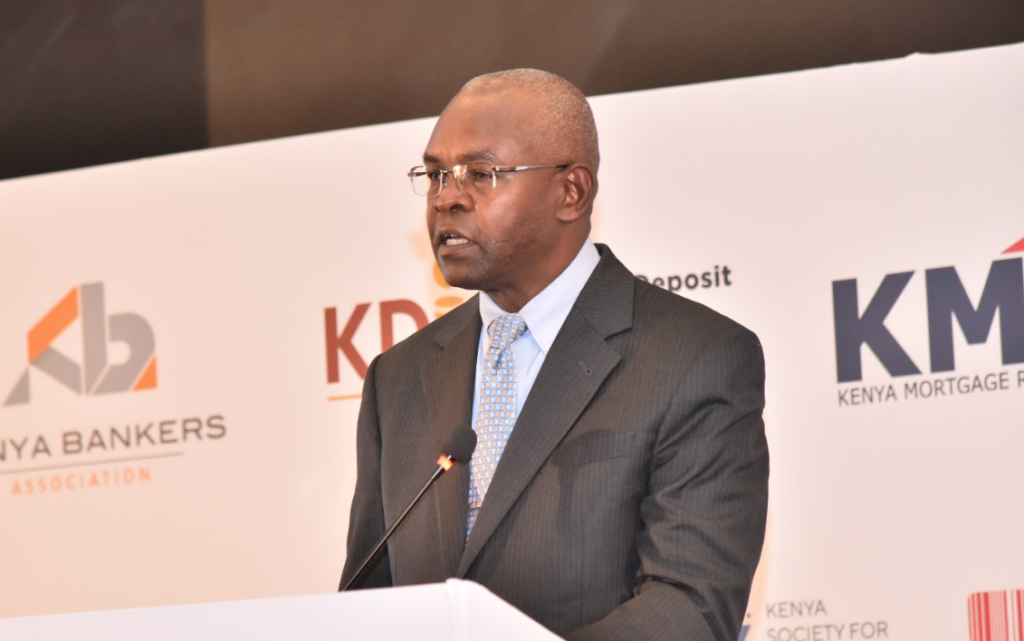
Speaking to members of the business community in Eldoret, Kiptoo said key economic indicators now suggest the country has moved past a prolonged period of pressure marked by high prices, tight credit conditions, and subdued investment.
According to the Treasury, 2025 marked a turning point as easing inflation reduced the cost burden on households while allowing businesses to plan and invest with greater certainty. Lower price pressures have helped stabilise consumer demand and improved confidence across multiple sectors of the economy.
Kiptoo noted that Kenya’s growth outlook remains positive, with gross domestic product expected to expand by about 5.3 percent in the near term. He said the improvement reflects broad-based recovery rather than gains concentrated in a single sector, a factor officials believe strengthens economic resilience.
Private sector hiring signals turnaround
One of the clearest signs of stabilisation, Kiptoo said, has been the rebound in private sector recruitment. He noted that 2025 recorded the strongest level of private sector hiring since 2019, reversing several years of weak employment growth.
Sectors such as construction, mining, and services have led the recovery. Construction activity has picked up on the back of infrastructure development and renewed private investment, while the services sector continues to expand through logistics, finance, and digital-driven businesses. Mining has also contributed to employment and export earnings, supporting regional economies.
The Treasury PS added that declining inflation has helped improve lending conditions, encouraging banks to extend more credit to businesses and households. Rising lending activity, he said, has enabled firms to expand operations, invest in new projects, and create jobs.
He noted that the combination of increased hiring, improved access to credit, and sectoral recovery points to an economy that is regaining balance after years of uncertainty.
Agriculture investment supports stability
Kiptoo also highlighted agriculture as a key pillar underpinning economic stability. He said the government has invested heavily in subsidised farm inputs, with fertiliser and seeds already procured ahead of planting seasons.
Farmers, particularly in agricultural hubs such as Uasin Gishu, were encouraged to take advantage of the subsidies to boost productivity. Higher output, he said, would strengthen food security, raise rural incomes, and help keep food prices stable.
Improved agricultural performance is expected to have wider economic benefits. As food inflation eases, household purchasing power improves, supporting demand in other sectors. Increased output also feeds into agro-processing and related industries, creating additional value chains and employment opportunities.
While acknowledging ongoing risks from global economic uncertainty and fiscal pressures, Treasury officials maintain that Kenya is now on firmer footing than in recent years. With inflation cooling, hiring rebounding, and growth projected to strengthen, the government says the economy is entering a phase of greater stability and cautious optimism.
Related Posts
Previous Post
Next Post