Now Reading: Kenya’s Pharma Import Value Falls as Cheaper Drugs Dominate
-
01
Kenya’s Pharma Import Value Falls as Cheaper Drugs Dominate

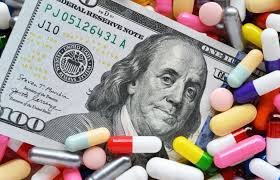

Kenya’s spending on pharmaceutical imports dropped 22 percent in the first nine months of 2025 as the government and private buyers shifted toward lower-cost medicines, official data shows. From January to September, import expenditure fell to Sh62.1 billion from Sh79.6 billion in the same period of 2024, according to the Kenya National Bureau of Statistics. Despite the drop in value, the volume of medicines imported rose slightly by 1.2 percent, highlighting a shift to cheaper alternatives rather than reduced reliance on foreign products. Analysts say this trend suggests aggressive cost containment in procurement but carries implications for quality and supply chains.
Generic strategy reshapes market
The bulk of the decline is attributed to a pivot toward generic drugs and bulk purchasing deals with international suppliers, lowering the cost per tonne by about 23 percent compared with last year. The third quarter alone saw the lowest import bill on record even as shipment volumes surged, underscoring the depth of the pricing shift. Government programmes to contain healthcare costs, such as Universal Health Coverage (UHC) initiatives, are believed to be influencing buying decisions. This could translate to access improvements for patients but raises questions about long-term industry development.
Exports and manufacturing gaps
Despite heavy import reliance—about 70 percent of locally consumed medicines are foreign-sourced—Kenya is also a significant exporter of pharmaceuticals in Africa and leads the Common Market for Eastern and Southern Africa region. Exports were valued at Sh19.2 billion in 2024 and remained strong through the first nine months of 2025. Local manufacturers, with over 30 plants, account for roughly 30 percent of domestic demand, but industry reports say they still fall short of meeting national needs. Government targets aim to boost local production by at least 60 percent by 2026.
Risks and future outlook
While cheaper imports ease financial pressure, health experts warn that over-reliance on low-cost drugs could affect quality and supply stability. With essential medicines still predominantly imported, supply chain disruptions abroad remain a vulnerability. Sectors and policymakers face a balancing act between affordability and building resilient domestic capabilities.
Previous Post
Next Post