Now Reading: KPC IPO Explained: How Ordinary Kenyans Can Buy and Own Shares
-
01
KPC IPO Explained: How Ordinary Kenyans Can Buy and Own Shares

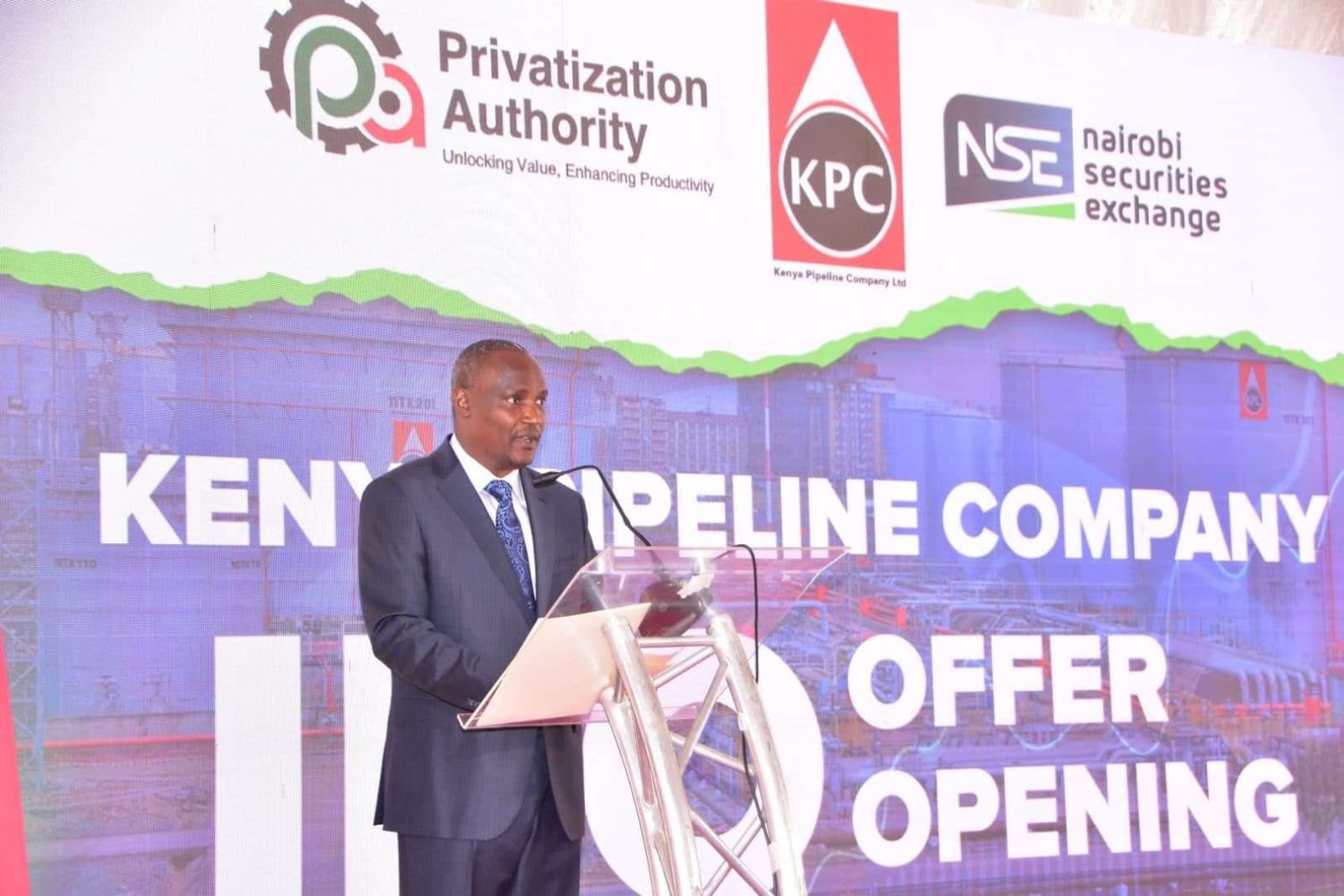

The Kenyan government has opened the door for everyday citizens to own a stake in one of the country’s most critical infrastructure companies, as the Kenya Pipeline Company (KPC) launches its landmark Initial Public Offering (IPO) on the Nairobi Securities Exchange.
The IPO, which opened on January 19 and closes on February 19, 2026, offers 65 per cent of KPC to the public at just KSh9 per share.
The move marks Kenya’s first fully electronic IPO, allowing individuals to apply using their mobile phones or online platforms without visiting physical offices.
It is also the most significant state divestment since Safaricom’s landmark listing in 2008.
Why you should invest
Under the offer, the government is selling 11.81 billion ordinary shares, seeking to raise KSh106.3 billion.
If fully subscribed, the transaction will value KPC at approximately KSh163.6 billion, instantly making it one of the top five most valuable companies on the Nairobi Securities Exchange (NSE).
For consumers, the significance goes beyond the headline numbers.
KPC is a profitable, debt-free infrastructure company that transports nearly all the fuel used in Kenya and much of East Africa.
Every litre of petrol, diesel, or jet fuel that moves from Mombasa to Nairobi, Eldoret, Kisumu, Uganda, Rwanda, or eastern Democratic Republic of Congo relies on KPC’s pipeline network.
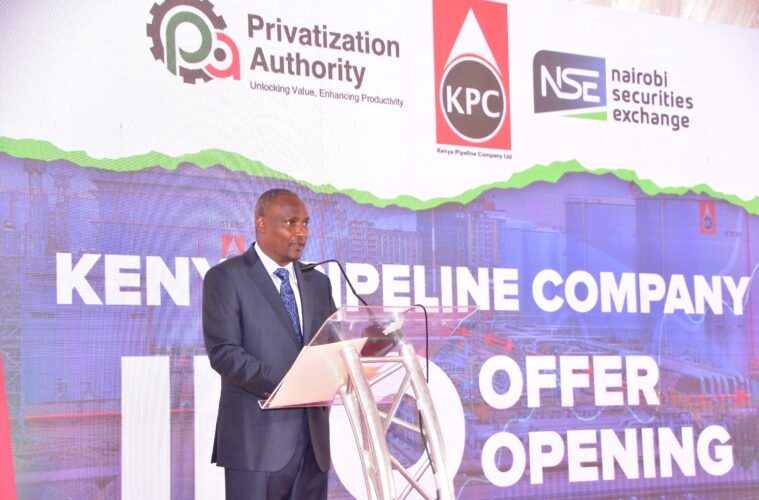
“This is not just an IPO for big institutions,” National Treasury Cabinet Secretary John Mbadi said at the launch. “It is an opportunity for Kenyans to become co-owners of a strategic national asset.”
How to Participate
One of the most notable features of the KPC IPO is accessibility.
The minimum investment is just 100 shares, costing KSh 900, which is within the reach of many first-time investors.
Applications can be made entirely electronically through two channels.

Firstly, individual investors can apply using a simple USSD code on their mobile phones by following the steps below.
- Dial *483*816# from your mobile phone.
- Follow the prompts to read the terms and conditions, agree, and select the “New Application” option.
- Provide required details and make the payment as instructed.
Alternatively, you can also apply through an online portal by following the steps below
- Visit the official KPC IPO application portal: KPC IPO Portal.
- Accept the terms of the offer and fill out the electronic application form with your details.
- Upload proof of payment and submit your application.
Payments can be made through mobile money, bank transfers, internet banking, or directly at participating banks.
To participate, investors must have a Central Depository System (CDS) account, which holds shares electronically. Those without one can open it through a licensed stockbroker or investment bank.
The digital application process is expected to significantly expand retail participation, especially among younger investors and those outside major cities.
“This IPO could bring millions of Kenyans into the capital markets for the first time,” said Eric Musau, head of research at Standard Investment Bank.
Risks Consumers Should Understand
While the IPO has been widely welcomed, analysts caution that no investment is risk-free.
As a newly listed company, KPC shares will have no prior trading history, meaning prices could fluctuate once trading begins on March 9.
KPC also operates in a heavily regulated sector, with tariffs set by the Energy and Petroleum Regulatory Authority. Changes in tariff policy, environmental incidents such as spills, or shifts in regional fuel demand could affect earnings.
However, proponents posit that infrastructure businesses typically offer more predictable cash flows and lower volatility than many other sectors.
IPO Allocation Designed for Broad Ownership
To avoid concentration of ownership, the IPO includes a carefully structured allocation framework.
Of the shares on offer, 20 per cent is reserved for Kenyan retail investors, 20 per cent for Kenyan institutions, 20 per cent for East African investors, and 20 per cent for foreign investors.
An additional 15 per cent is allocated to oil marketing companies, while 5 per cent is set aside for KPC employees under an employee share ownership plan.
Regulators will enforce caps to prevent any single investor or group from dominating the share register, a move intended to protect minority shareholders and preserve the company’s role as a neutral infrastructure operator.
Why the Government Is Selling
The IPO forms part of President William Ruto’s broader strategy to reduce pressure on public finances by moving away from debt-heavy development funding.
With public debt high and debt repayments consuming about 40 per cent of government revenue, officials say traditional borrowing is no longer sustainable.
“We must turn to innovative financing mechanisms,” Mbadi said. “Taxation and debt have reached their limits.”
By selling part of its stake in KPC, the government retains 35 per cent ownership while unlocking capital to fund infrastructure projects in energy, roads, water, irrigation, and airports.
Importantly, the proceeds from the IPO will go directly to the National Treasury, not to KPC itself, as this is an offer for sale rather than a capital raise for the company.
About KPC
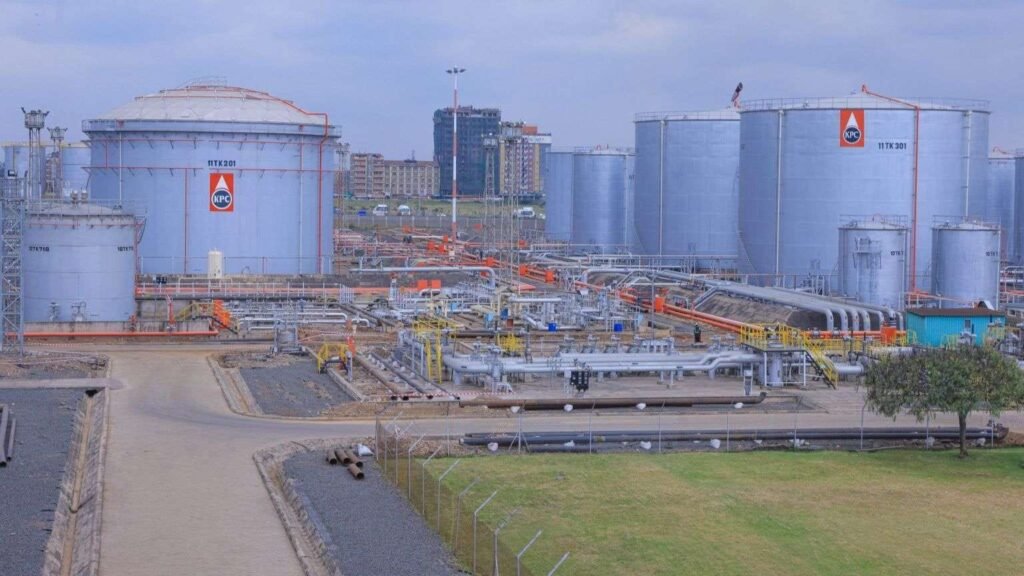
Founded in 1973, Kenya Pipeline Company operates more than 1,340 kilometres of pipeline and manages storage depots across the country.
It handles close to 10 billion litres of petroleum products every year and dominates fuel transportation in the region, commanding market shares of up to 99 per cent in Uganda and 75 per cent in South Sudan and eastern DRC.
Despite its size and importance, KPC has largely operated out of public view. Unlike banks or telecom companies, it does not advertise or deal directly with consumers.
The IPO changes that relationship by allowing citizens to benefit directly from the company’s profits.
In the 2024/25 financial year, KPC posted revenues of KSh38.6 billion and profits after tax of KSh7.49 billion.
The company also paid dividends of KSh5.9 billion and has committed to a post-listing dividend payout ratio of 50 per cent of net earnings, making it attractive to income-seeking investors.
A Turning Point for Kenya’s Capital Markets
If successful, the KPC IPO will surpass Safaricom’s 2008 listing to become the largest IPO ever conducted in East Africa in local currency terms.
It also marks Kenya’s first state-led listing in 17 years, signalling a renewed push to deepen capital markets.
At the NSE, where share prices have risen more than 50 per cent over the past year, the timing appears favourable. Global equity markets have also rebounded, with IPO activity reaching a four-year high in 2025.
For the ordinary wananchi, the IPO transforms KPC from a distant state corporation into a people-owned company.
As one retail enthusiast at the launch put it, “Every time I buy fuel, I will know a part of that business belongs to me.”
Read Also: How AMAC NSE Stock Growth Outpaces Market Expectations – Business News
Previous Post
Next Post