Now Reading: Lenacapavir: Kenya Joins Other African Pioneers in Unveiling Six-Month HIV Prevention Jab
-
01
Lenacapavir: Kenya Joins Other African Pioneers in Unveiling Six-Month HIV Prevention Jab
Lenacapavir: Kenya Joins Other African Pioneers in Unveiling Six-Month HIV Prevention Jab

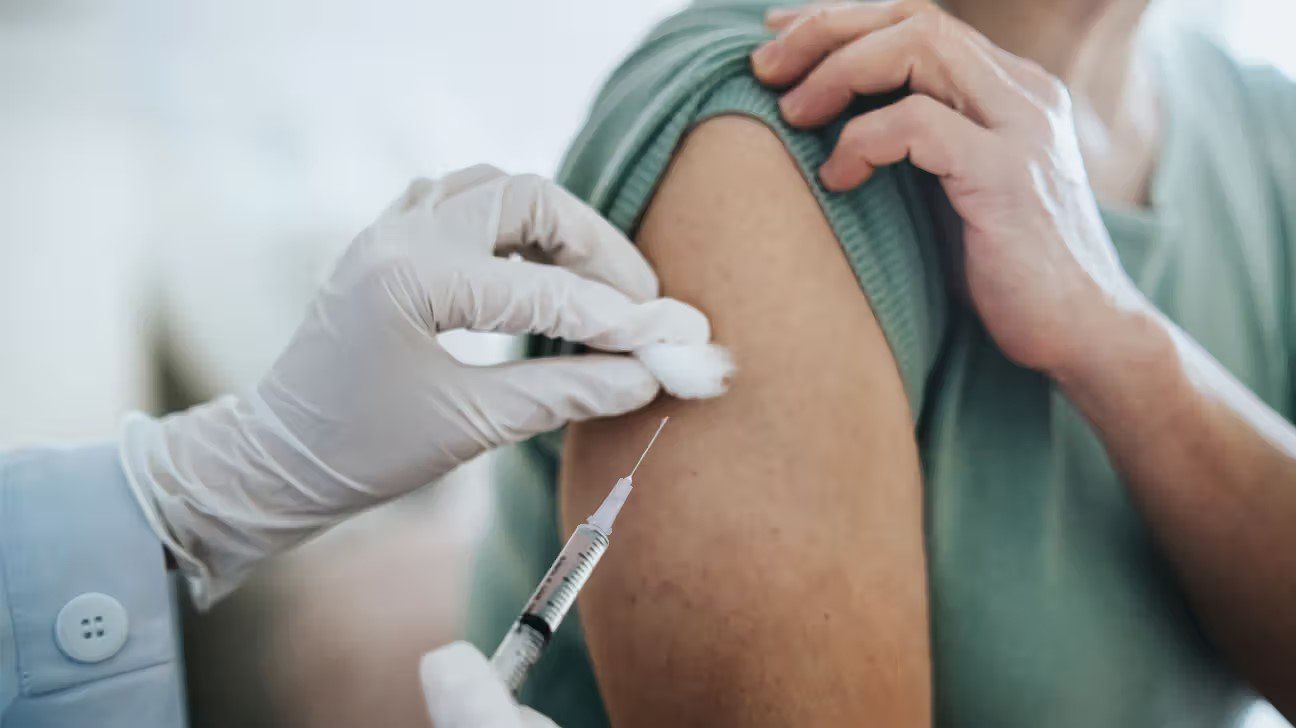

Kenya has become the first country in East Africa to launch lenacapavir, a groundbreaking long-acting HIV prevention injection administered just twice a year, marking a major step in the continent’s push to curb new infections through innovative prevention tools.
The national rollout, launched at Riruta Health Centre in Nairobi, positions Kenya among a small group of African countries moving quickly to integrate the six-month injectable pre-exposure prophylaxis (PrEP) into public health systems.
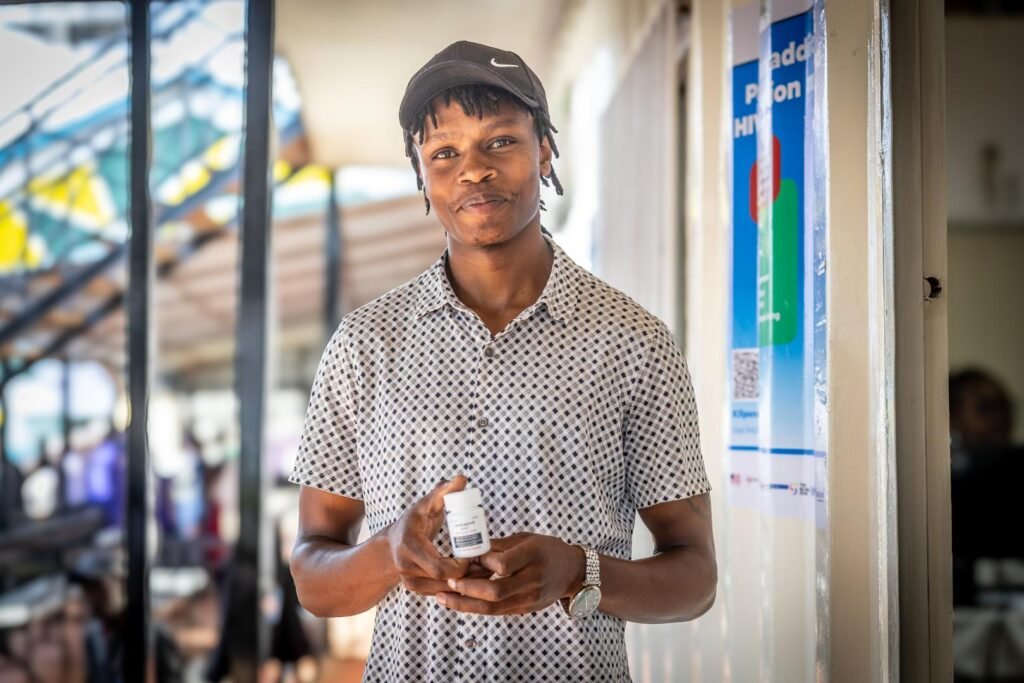
Twenty-seven-year-old Samson Mutua, christened as Client Zero, became the first Kenyan to receive the injection, describing the moment as life-changing.
“A pill every single day, sometimes you forget. Two injections a year now give me that comfort. I feel protected,” he said after receiving the shot.
Lenacapavir is designed for HIV-negative individuals at substantial risk of infection. It works by blocking critical stages of the HIV life cycle, preventing the virus from establishing itself in the body.
Unlike daily oral PrEP, which requires consistent daily adherence, lenacapavir is administered once every six months.
To qualify, clients must test HIV negative, weigh over 35 kilograms and disclose their medical history and current medications.
A mandatory HIV test is conducted before the injection.
Phased Rollout Backed by Global Funding
Kenya has received 21,000 starter doses for the first phase of implementation, targeting 15 high-burden counties.
The rollout is supported by the Global Fund, which invested $2.9 million (about Sh370 million) for initial procurement and an additional $2 million (about Sh256 million) to support service delivery, training and community engagement.
Health Cabinet Secretary Aden Duale described the launch as a milestone in Kenya’s HIV response, emphasising that the drug has undergone rigorous scientific review and regulatory approval.
Kenya continues to face a significant HIV burden. About 1.4 million people are living with HIV, and although new infections have declined dramatically over the past decade, officials say the country still records roughly 19,000 new infections annually.
Dr Andrew Mulwa, Chief Executive Officer of the National AIDS and STI Control Programme (NASCOP), stressed that lenacapavir does not replace other prevention tools but expands choice.
“We are providing options for people to choose from,” he said.
Africa Moves in Parallel
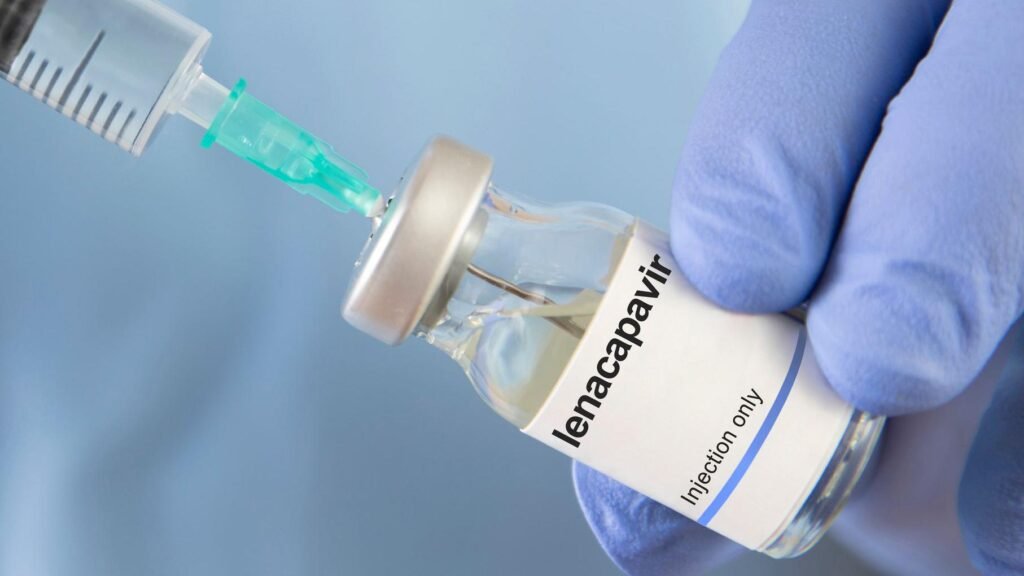
Kenya’s rollout comes amid a wave of similar introductions across the continent.
Zimbabwe began administering lenacapavir in February, targeting more than 46,000 high-risk individuals in the initial phase.
Health officials there described the injection as a turning point for key populations, including sex workers and adolescent girls, who face adherence challenges with daily oral PrEP.
Lesotho has also received its first shipment of lenacapavir and is preparing nationwide deployment.
With one of the highest HIV prevalence rates globally, Lesotho’s government says the injectable option will help close persistent prevention gaps, particularly among adolescent girls and young women.
South Africa, Eswatini and Zambia were among the earliest African countries to begin public administration of lenacapavir.
South Africa plans to reach up to 450,000 high-risk individuals during its initial rollout phase, with support from international partners.
Zambia and Eswatini have already administered the first injections outside clinical trial settings.
Across sub-Saharan Africa, women and girls account for a disproportionate share of new infections.
Health experts say long-acting PrEP options such as lenacapavir could significantly reduce transmission if uptake and adherence are sustained.
Promise and Challenges Ahead
Clinical studies have demonstrated that lenacapavir can reduce the risk of HIV transmission by up to 96%, with some trials reporting near-complete protection among certain populations.
Because it requires only two injections a year, it addresses daily pill fatigue, noted as one of the main barriers to prevention.
However, experts caution that scaling access remains a challenge.
Sustained financing, supply chain stability and community awareness campaigns will be essential to ensure uptake, particularly among rural and marginalised populations.
Cost is another concern. While donor funding currently supports early phases in many countries, long-term sustainability will depend on domestic financing and anticipated generic production expected later this decade.
Still, health leaders across Africa view the current momentum as historic. For the first time, a new HIV prevention technology has reached African public health systems within a year of international regulatory approval.
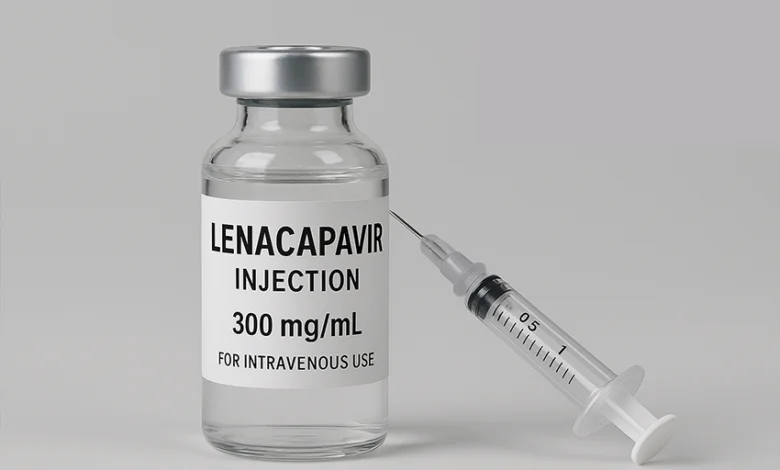
For Kenya, leading East Africa in the introduction of lenacapavir underscores its broader ambition of ending new HIV infections by 2030.
By expanding prevention options beyond daily pills and addressing adherence barriers, officials hope the six-month injection will accelerate progress toward that goal.
As Mutua put it after becoming the country’s first recipient, the innovation offers not just protection but peace of mind.
With Kenya at the forefront and other African nations moving in tandem, the continent is entering a new chapter in HIV prevention.
Read Also: 17 African Countries Sign Trump’s “America First” Health Deal Amid Pushback – Business News
Previous Post
Next Post