Now Reading: Logistics Revolution: AI and AfCFTA Redefine Global Supply Chains
-
01
Logistics Revolution: AI and AfCFTA Redefine Global Supply Chains
Logistics Revolution: AI and AfCFTA Redefine Global Supply Chains

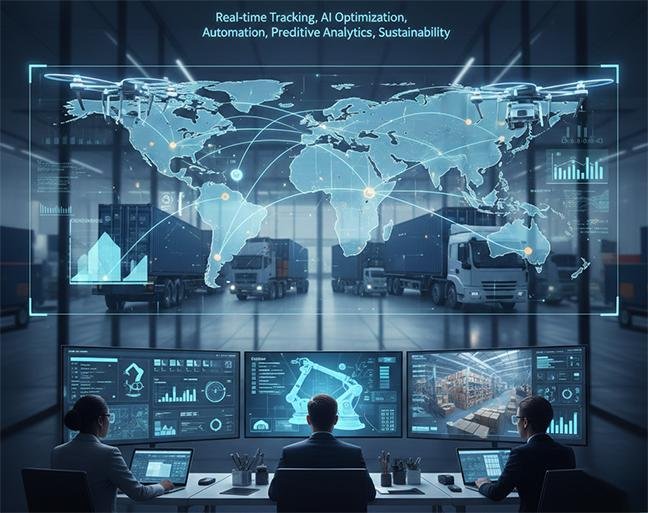

The future of logistics transformation is no longer a distant concept but a rapidly unfolding reality reshaping how goods move across borders and continents. What was once a function focused purely on transportation is evolving into a sophisticated ecosystem driven by data, automation, and predictive intelligence. Across global markets, logistics is becoming smarter, faster, and deeply interconnected, redefining efficiency standards for businesses and governments alike. As digital systems replace manual processes and real-time visibility becomes the norm, companies that fail to adapt risk being left behind in an increasingly competitive landscape.
The shift is being driven by a convergence of technologies and policy frameworks that are fundamentally altering supply chain dynamics. From artificial intelligence enabling predictive planning to automation streamlining warehouse operations, the future of logistics transformation is unlocking new levels of performance and reliability. At the same time, sustainability pressures and trade integration initiatives are pushing logistics providers to rethink traditional models and embrace innovation at scale.
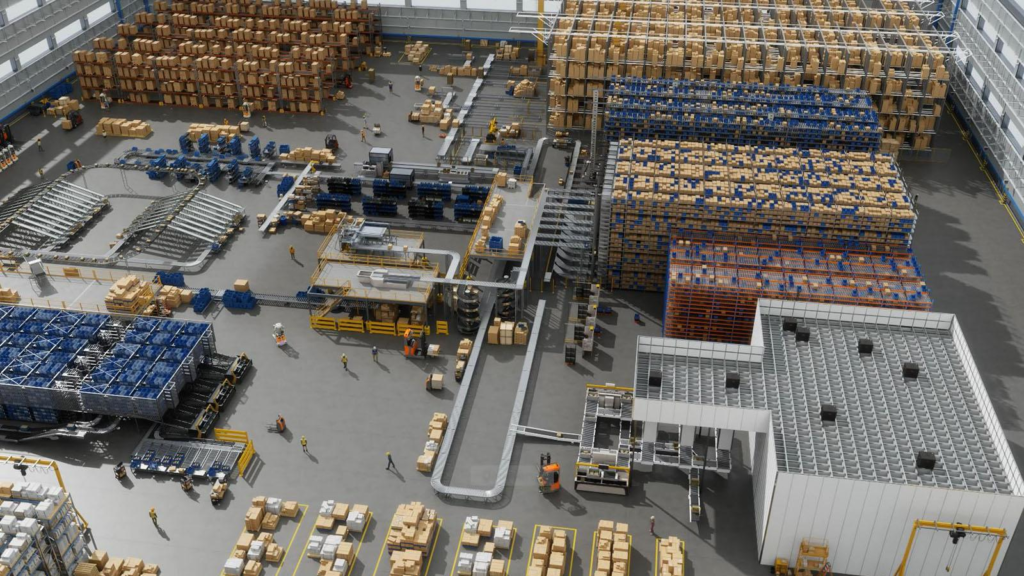
Future of Logistics Transformation Driven by AI, Automation, and Real-Time Systems
At the core of the future of logistics transformation is the rapid adoption of digital infrastructure that replaces outdated, manual workflows. Advanced tracking systems now provide real-time visibility across the entire supply chain, allowing businesses to monitor shipments with unprecedented accuracy. This level of transparency is no longer a competitive advantage but a baseline expectation, particularly for global clients demanding speed and reliability.
Artificial intelligence is playing a central role in this shift. Predictive analytics can anticipate disruptions such as port congestion, weather delays, or customs bottlenecks before they occur, enabling logistics firms to proactively adjust routes and schedules. This capability not only reduces costs but also enhances customer satisfaction by minimizing uncertainty. Industry leaders such as DHL and Maersk are already leveraging these technologies to set new benchmarks in operational efficiency and supply chain visibility.
Automation is equally transformative, particularly in warehousing and port operations. Robotics and automated sorting systems are increasing throughput while reducing human error, allowing logistics hubs to handle higher volumes with greater precision. As e-commerce demand continues to surge globally, these innovations are becoming essential for maintaining speed and scalability in distribution networks.

AfCFTA and Sustainability Accelerate Future of Logistics Transformation in Africa
Beyond technology, policy frameworks are playing a crucial role in shaping the future of logistics transformation, particularly in emerging markets. The African Continental Free Trade Area (AfCFTA) is a prime example, aiming to create a single market for goods and services across Africa. By reducing trade barriers and harmonizing regulations, AfCFTA is opening new corridors for cross-border logistics and significantly increasing intra-African trade potential.
Countries like Ethiopia stand to benefit from these developments as improved logistics networks enhance their ability to access regional and global markets. For logistics providers, this creates both an opportunity and a challenge: the need to scale operations while maintaining efficiency and compliance across multiple jurisdictions.
You Might Also Like: TikTok Growth in Kenya Sparks Debate on Creator Earnings
Sustainability is emerging as another defining factor in the future of logistics transformation. Global clients are increasingly prioritizing environmentally responsible supply chains, pushing logistics companies to adopt greener practices such as fuel-efficient transport, optimized routing, and reduced emissions. This shift is not only about meeting regulatory requirements but also about aligning with evolving consumer and investor expectations.
For logistics professionals, the implications are profound. The role is expanding beyond operational execution to include strategic advisory, data analysis, and system optimization. Success in this new landscape will depend on the ability to manage not just physical cargo, but also the flow of information and decision-making processes that underpin modern supply chains.
As the future of logistics transformation continues to unfold, one thing is clear: the industry is moving toward a model where intelligence, speed, and sustainability define competitive advantage. Those who embrace this shift will not only remain relevant but will lead the next phase of global trade.
Previous Post
Next Post