Now Reading: Malawi Secures $100 Million Rare Earth Investment to Join Africa’s Mining Heavyweights
-
01
Malawi Secures $100 Million Rare Earth Investment to Join Africa’s Mining Heavyweights
Malawi Secures $100 Million Rare Earth Investment to Join Africa’s Mining Heavyweights

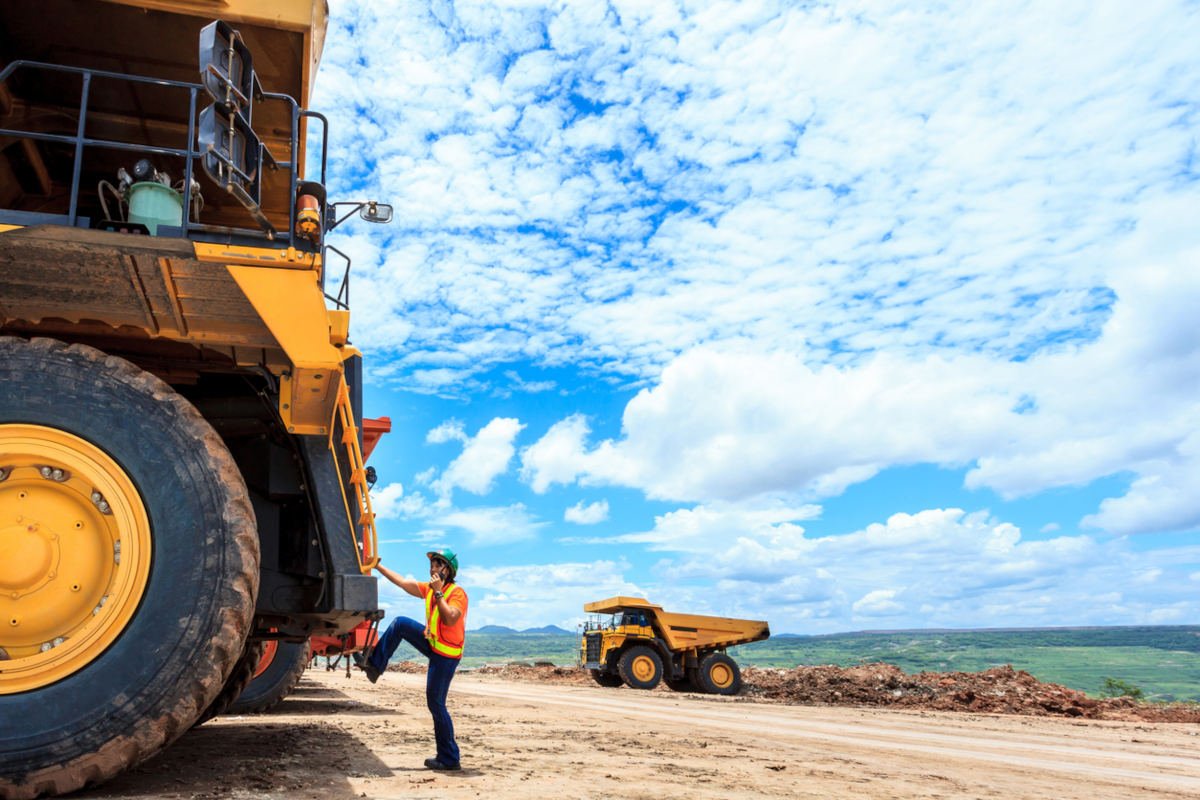

Malawi is set to join Africa’s emerging rare earth producers after an Australian mining firm secured $100 million to develop a major project, positioning the country within the global race for critical minerals.
Lindian Resources, an Australian company listed on the ASX, will use the funding to advance the Kangankunde Rare Earths Project, a high-grade deposit expected to begin production in 2026.
The investment marks a significant shift for Malawi, which has traditionally relied on agriculture but is now moving into the global supply chain for strategic minerals used in electric vehicles, renewable energy systems, and advanced technologies.
The Kangankunde site is known for its deposits of dysprosium and terbium, key elements in the production of high-performance magnets essential for clean energy technologies.
With the project’s development, Malawi is expected to join South Africa and the Democratic Republic of Congo as one of Africa’s growing rare-earth hubs, strengthening the continent’s role in supplying minerals critical to the global energy transition.
The financing structure is designed to support debt-free development of the project’s first phase, with the $100 million raised from institutional investors covering initial production costs. Future expansion is expected to be funded through cash flow generated from early operations, reducing financial risk and enhancing project sustainability.
Industry analysts say the project comes at a pivotal moment as global demand for rare earth elements continues to rise, driven by the rapid expansion of electric mobility and renewable energy infrastructure.
At the same time, governments in the United States and Europe are actively seeking to diversify supply chains away from China, which currently dominates the processing and supply of rare earth materials.
Malawi’s entry into the market, therefore, offers an alternative source of supply, contributing to efforts to build more resilient and diversified global value chains.
Lindian’s full acquisition of the Kangankunde project, completed in late 2025, further strengthens its position in the sector and signals confidence in the long-term potential of African mineral assets.
Beyond Malawi, the company also holds interests in bauxite projects in Guinea and Tanzania, reflecting a broader strategy to build a diversified portfolio across key mineral segments.
For Malawi, the development represents both an economic opportunity and a strategic milestone. The project is expected to attract further investment, create jobs, and support infrastructure development, while positioning the country within a high-value global industry.
However, as with other resource-rich nations, the challenge will be to ensure that mineral wealth translates into broader economic benefits through local value addition, skills development, and sustainable resource management.
The growing interest in Africa’s mineral sector highlights the continent’s increasing importance in global supply chains. As demand for critical minerals accelerates, countries like Malawi are emerging as key players in shaping the future of energy and technology industries.
With production set to begin in 2026, the Kangankunde project could mark the start of a new chapter for Malawi’s economy, shifting it from a primarily agricultural base toward a more diversified, resource-driven growth model.
Related Posts
Previous Post
Next Post