Now Reading: NCBA AFAWA Partnership Strengthens Women Entrepreneurship in Kenya
-
01
NCBA AFAWA Partnership Strengthens Women Entrepreneurship in Kenya
NCBA AFAWA Partnership Strengthens Women Entrepreneurship in Kenya

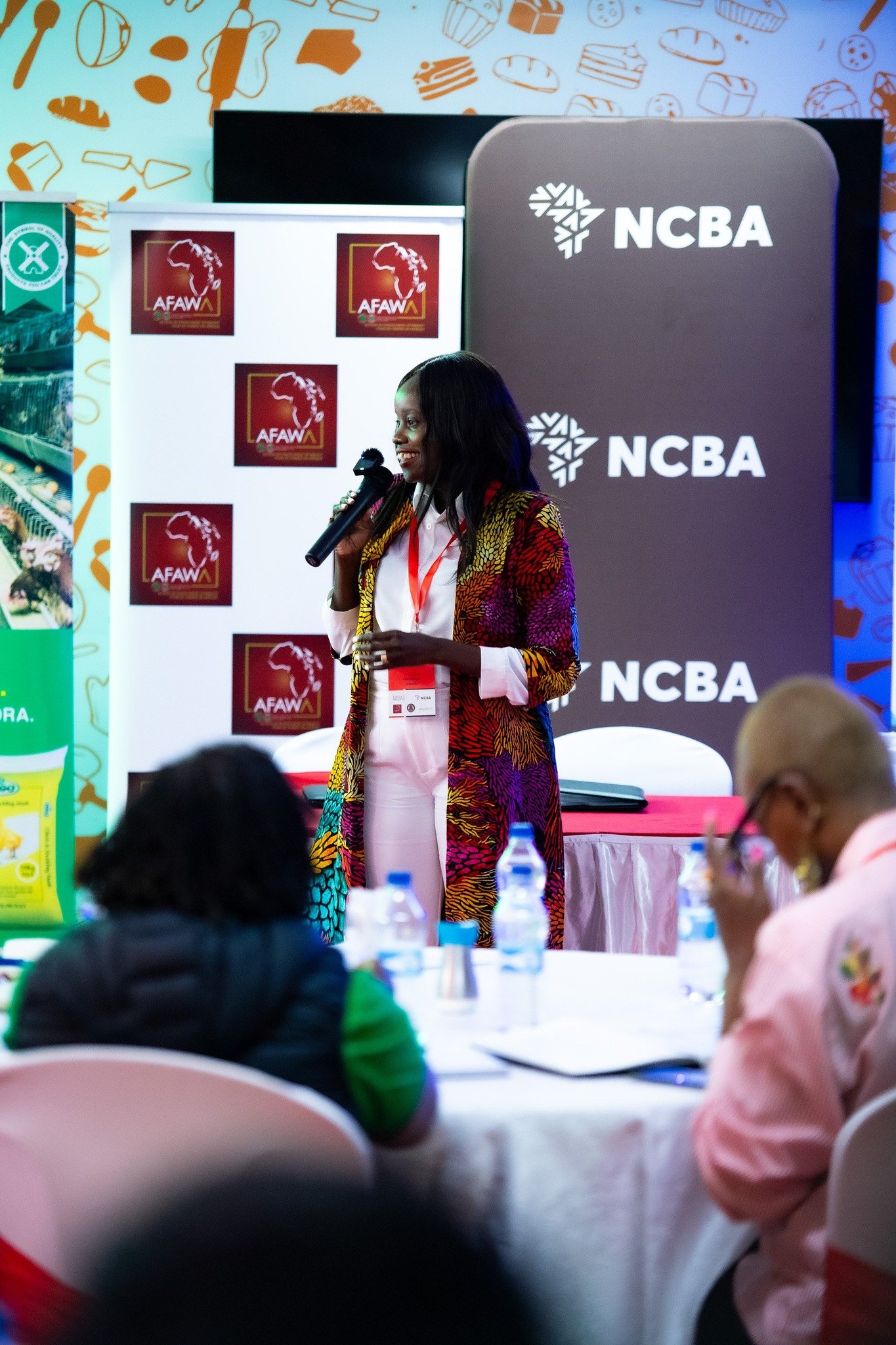

The NCBA AFAWA partnership is opening new opportunities for women entrepreneurs in Kenya by expanding access to financing, mentorship, and business support programs. The initiative, launched by NCBA Group in collaboration with the African Development Bank under the Affirmative Finance Action for Women in Africa (AFAWA) program, aims to bridge the financing gap faced by women-owned enterprises. By providing targeted financial products and capacity-building support, the NCBA AFAWA partnership is expected to accelerate the growth of women-led businesses and strengthen their contribution to Kenya’s economic development.
How the NCBA AFAWA Partnership Supports Women Businesses
Women entrepreneurs across Africa often face significant barriers when seeking financing to expand their businesses. Limited collateral, smaller loan histories, and systemic biases in lending structures have historically restricted access to capital.
The NCBA AFAWA partnership seeks to address these challenges by providing credit facilities tailored specifically for women-owned enterprises. Through the program, eligible entrepreneurs can access funding designed to support business expansion, working capital, and operational growth.
Beyond financing, the initiative also emphasizes business training and mentorship programs. These services help entrepreneurs strengthen financial management skills, improve operational efficiency, and position their enterprises for sustainable growth.
Programs like AFAWA aim to unlock billions of dollars in financing for women across the continent by encouraging financial institutions to develop gender-inclusive lending solutions.

Economic Impact of the NCBA AFAWA Partnership
The economic potential of women-owned businesses in Africa remains significant but underutilized. Experts estimate that closing the gender financing gap could unlock substantial economic growth and job creation across the continent.
Through the NCBA AFAWA partnership, women entrepreneurs gain access not only to capital but also to networks and resources that help them scale their businesses more effectively. This support can lead to increased productivity, higher incomes, and expanded employment opportunities.
Read Also: Youth Unemployment Partnerships Gain Momentum Among Business Leaders
Financial institutions are increasingly recognizing the value of supporting women-led enterprises as part of broader inclusive growth strategies. By strengthening women’s participation in the business ecosystem, initiatives like this also contribute to financial inclusion and economic resilience.
“Empowering women entrepreneurs is not just a social priority — it is a powerful economic opportunity,” noted an industry analyst familiar with the program.
As Kenya continues to promote inclusive entrepreneurship, the NCBA AFAWA partnership could serve as a model for how banks and development institutions collaborate to unlock the full potential of women-led enterprises.

Previous Post
Next Post