Now Reading: New Electric Mobility Policy Anchors Kenya’s Shift Toward the Green Economy
-
01
New Electric Mobility Policy Anchors Kenya’s Shift Toward the Green Economy
New Electric Mobility Policy Anchors Kenya’s Shift Toward the Green Economy

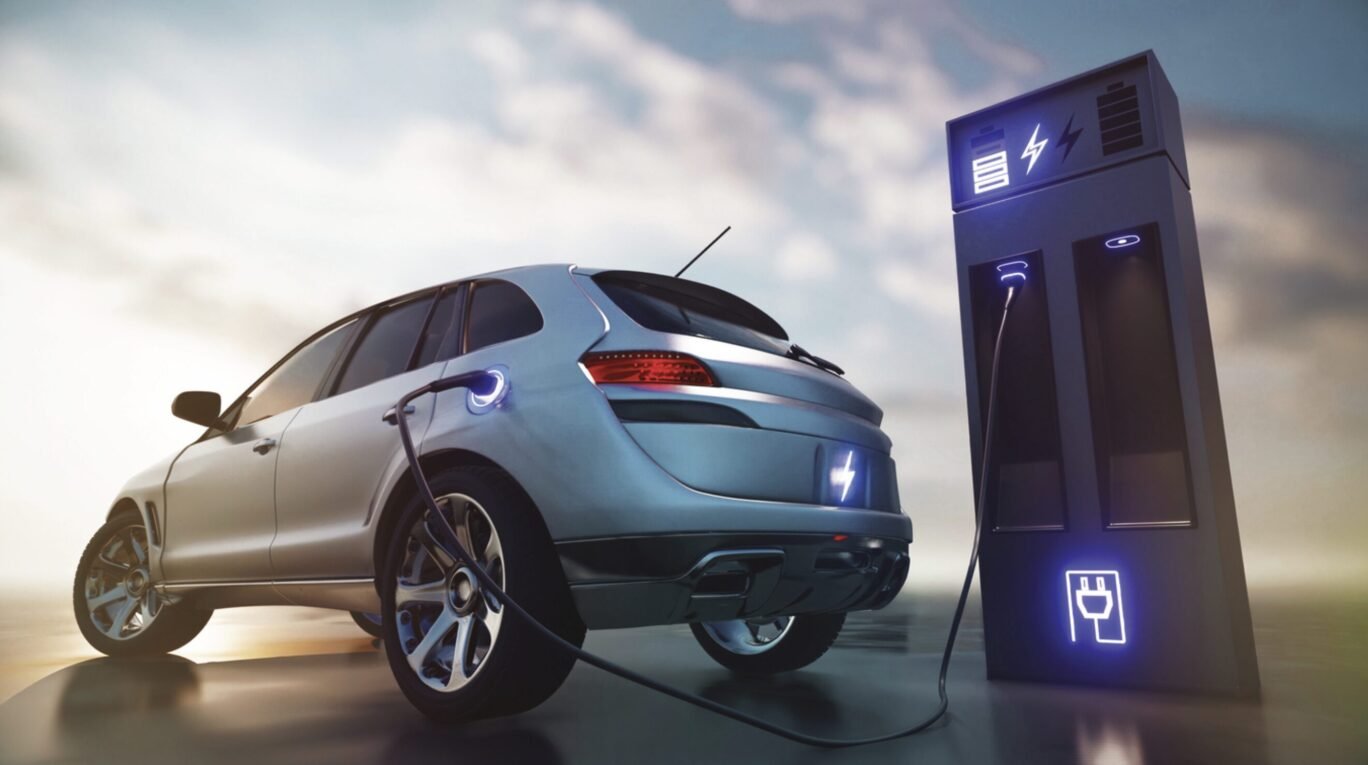

Electric mobility has moved to the centre of Kenya’s green economic transition following the launch of the National Electric Mobility Policy, which positions clean transport at the heart of climate action, industrial growth, energy security and inclusive jobs for ordinary Kenyans.
Unveiled on February 3, 2026, at the Kenyatta International Convention Centre, the electric mobility policy provides Kenya’s first comprehensive framework to guide the adoption, regulation and expansion of electric transport across all modes, from boda bodas and buses to private and government fleets.
The policy comes at a time when Kenya spends more than Sh628 billion annually on petroleum imports, a heavy burden on foreign exchange reserves and a major source of greenhouse gas emissions from the transport sector.
By shifting transport energy demand from imported fossil fuels to domestically produced renewable electricity, electric mobility directly supports Kenya’s green economy ambitions.
Over 90 per cent of the country’s electricity is generated from renewable sources, meaning electric vehicles can cut emissions while strengthening energy independence.
The policy aligns with Kenya’s commitment to reduce greenhouse gas emissions by 32 per cent by 2030 and supports the United Nation’s (UN’s) Sustainable Development Goal (SDG) 7 on affordable and clean energy, SDG 11 on sustainable cities and SDG 13 on climate action.
Beyond emissions, the policy frames electric mobility as an economic opportunity rather than just a climate intervention. It promotes local manufacturing and assembly of electric vehicles, batteries and components, opening pathways for green industrialisation under the Bottom-Up Economic Transformation Agenda.
Government projections indicate that expanding local assembly, charging infrastructure, maintenance services and battery value chains could create thousands of skilled and semi-skilled jobs, particularly for youth.
For ordinary Kenyans, the most immediate impact of electric mobility is expected in public and informal transport.
Electric motorcycles and three-wheelers, which already dominate new EV registrations, offer lower operating and maintenance costs for boda boda riders, improving incomes while reducing urban air pollution.
The policy also encourages electrification of public transport fleets, including buses, which could lower fares over time by cutting fuel costs.
To unlock private investment, the policy introduces both fiscal and non-fiscal incentives. Recent measures include zero-rated VAT and excise duty for electric buses, motorcycles, bicycles and lithium-ion batteries, alongside specialised off-peak electricity tariffs for EV charging.
New commercial developments will be required to allocate at least five per cent of parking space to charging infrastructure, accelerating nationwide rollout beyond Nairobi.
Institutionally, the electric mobility policy strengthens coordination across government through dedicated technical working groups covering regulation, manufacturing, charging infrastructure, research and financing.
This approach aims to reduce fragmentation, attract long-term capital and provide regulatory certainty to investors, financiers and innovators.
Equally important is the policy’s social lens. It emphasises inclusive access, skills development, SME participation and gender-responsive opportunities within the electric mobility ecosystem.
By lowering transport emissions, it also delivers public health co-benefits, particularly for urban residents exposed to vehicle-related air pollution.
While challenges remain, including financing gaps, grid upgrades and infrastructure expansion to secondary towns, the policy marks a decisive shift.
By embedding electric mobility into climate strategy, industrial policy and everyday transport, Kenya is using clean transport to power a broader green economy transition that delivers jobs, resilience and cleaner air alongside climate gains.
Read Also: Why Electric Buses Are Becoming Profitable Transport Assets – Business News
Previous Post
Next Post