Now Reading: Planted for Plenty: How Rising Farm Output is Easing Grocery Bills
-
01
Planted for Plenty: How Rising Farm Output is Easing Grocery Bills


Kenyan households and businesses are set for a reprieve as food prices begin to stabilize. Fresh industry data from the Central Bank of Kenya (CBK) indicates that an expansion in farm acreage and improved harvest projections across key agricultural regions will drive a recovery in supply, easing the cost of living.
Output boosts supply outlook
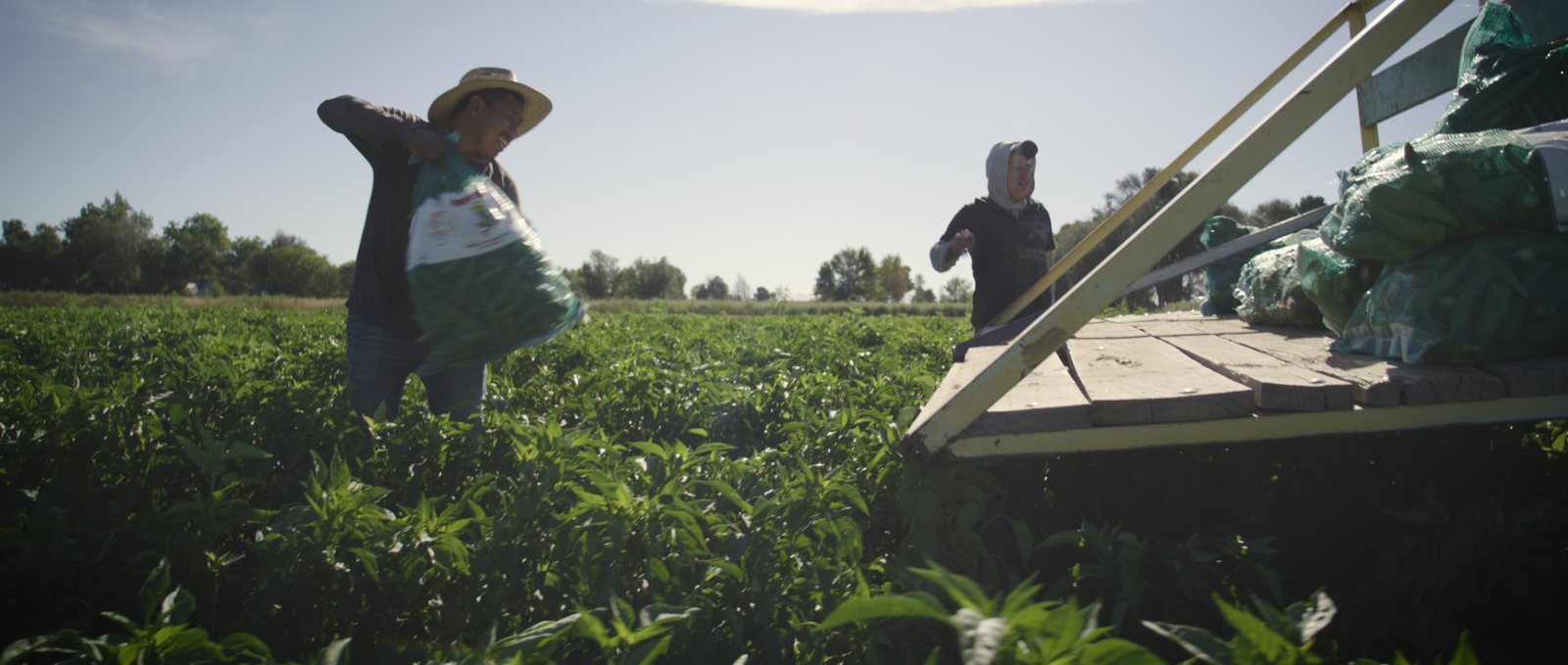
Farmers across several agricultural counties have expanded acreage under cultivation, resulting in improved output forecasts for staple crops. The increase in planted land — supported by favorable weather conditions and improved access to farm inputs — is now translating into higher harvest volumes.
Agricultural stakeholders indicate that maize, beans, vegetables and other key food crops have recorded stronger production levels compared to previous seasons. The acreage expansion is particularly notable in traditionally high-yield regions, where farmers responded to earlier price signals by scaling up planting.
The anticipated increase in supply is expected to ease pressure on retail food prices, which have weighed heavily on household budgets over the past two years. Market analysts suggest that improved output could help stabilise food inflation, a key component of Kenya’s overall consumer price index.
“Expanded acreage combined with favourable rainfall has shifted the supply curve positively,” notes agricultural economist Dr. James Karanja. “If distribution channels remain efficient, consumers should begin to see gradual price reductions in key staples.”
Wholesale traders are already reporting early signs of easing prices at farm gates, a development that could ripple through the value chain into urban retail markets. Increased volumes typically lead to competitive pricing among traders, particularly when storage capacity allows for steady market supply.
For businesses in the hospitality and food processing sectors, lower raw material costs could improve margins and support pricing stability for end consumers. This, in turn, may stimulate consumption and broader economic activity.
Increased output strengthens inflation outlook but supply chain efficiency remains key
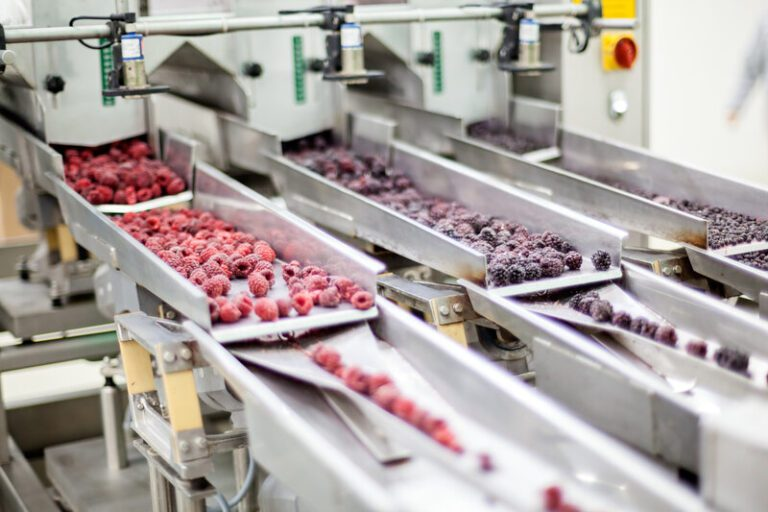
While the outlook is promising, analysts caution that production gains alone may not automatically translate into sustained lower retail prices. Efficient transport, storage infrastructure, and fair trading practices will determine how much of the farm-level benefit reaches consumers.
In previous seasons, post-harvest losses and logistical bottlenecks limited the full impact of bumper harvests. Stakeholders are therefore urging coordinated efforts between farmers, distributors, and policymakers to ensure seamless movement of produce from rural areas to urban markets.
Lower food prices would significantly influence Kenya’s broader inflation trajectory, given the substantial weight of food in household expenditure. A reduction in staple costs could ease cost-of-living pressures, restore consumer purchasing power, and create a more predictable pricing environment for retailers.
Financial analysts argue that a sustained moderation in food inflation could also influence monetary policy decisions, potentially supporting a more accommodative credit environment if broader macroeconomic stability holds.
From a macroeconomic perspective, improved agricultural productivity not only enhances food security but also strengthens rural incomes. Higher output volumes, even at slightly lower prices, can generate stable aggregate earnings for farmers if market access remains robust.
However, stakeholders emphasize that climate variability, input costs, and global commodity trends remain risk factors. Maintaining productivity growth will require continued investment in irrigation, quality seeds, extension services, and rural infrastructure.
If current projections hold, the expansion in farm acreage and output could mark a pivotal turning point for food pricing trends in 2026, delivering much-needed relief to consumers while reinforcing agricultural sector resilience.
Related Posts



Previous Post
Next Post