Now Reading: Spiro, ARC Ride Global Capital Kenya EV shift Unlocks Transformative Funding Wave
-
01
Spiro, ARC Ride Global Capital Kenya EV shift Unlocks Transformative Funding Wave
Spiro, ARC Ride Global Capital Kenya EV shift Unlocks Transformative Funding Wave

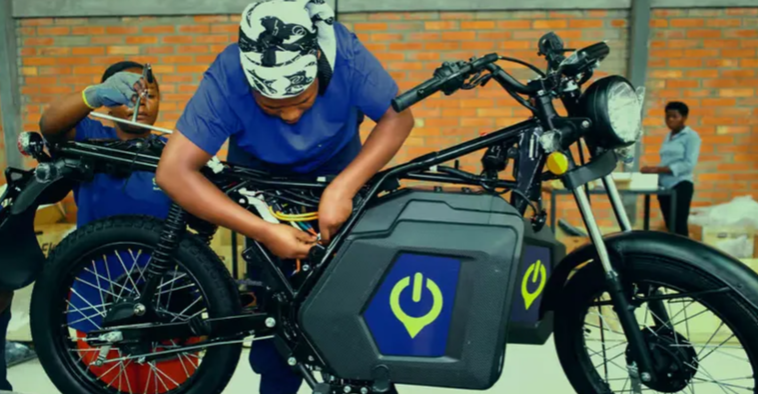

Kenya’s electric mobility transition has received a powerful boost as Spiro, ARC Ride global capital Kenya EV shift gains momentum, with international investors channeling fresh funding into the country’s fast-growing two-wheel electric vehicle ecosystem. The investments signal rising global confidence in Kenya’s position as a strategic entry point for Africa’s clean transport transformation, according to reporting by Kenyan Wall Street.
Spiro ARC Ride global capital Kenya EV shift accelerates market expansion
Pan-African electric mobility company Spiro and Kenyan electric motorcycle distributor ARC Ride are emerging as key beneficiaries of renewed global investor appetite for Africa’s EV sector. The inflow of capital is expected to scale up fleet deployment, battery-swapping infrastructure, and localized assembly operations across Kenya.
Industry analysts note that Kenya’s boda boda market — which supports millions of livelihoods — presents a high-impact entry point for electrification. By targeting commercial riders, EV operators can deliver measurable cost savings through reduced fuel and maintenance expenses, strengthening adoption economics.
International backers view Kenya as a gateway to broader East African expansion. With supportive government policies promoting green energy and increasing consumer awareness of climate goals, the country offers both regulatory tailwinds and commercial viability. “The convergence of climate financing, urban mobility demand, and supportive policy frameworks makes Kenya one of Africa’s most compelling EV growth stories,” says transport economist James Njoroge. “Global capital is flowing to scalable platforms that demonstrate operational traction, and Spiro and ARC Ride fit that profile.”
The capital injection is also expected to accelerate charging and battery-swapping networks, addressing one of the primary constraints to EV adoption — range anxiety and infrastructure gaps.
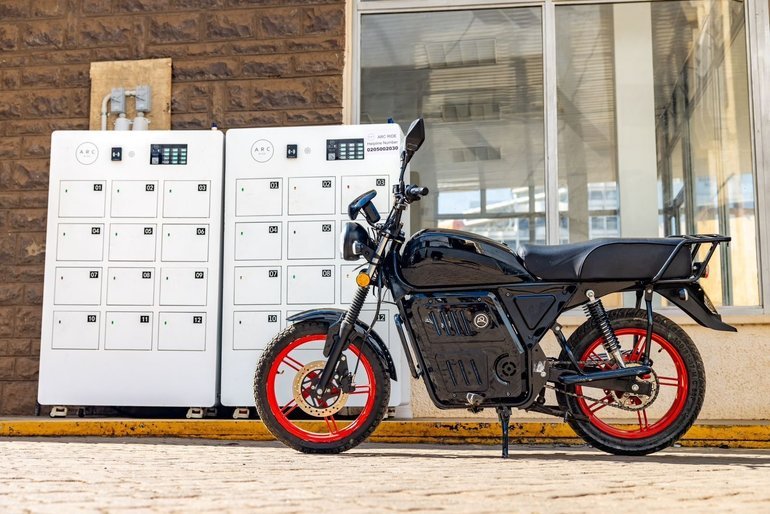
Investment momentum strengthens Kenya’s clean transport ambitions
The Spiro ARC Ride global capital Kenya EV shift reflects a broader reallocation of international climate funds toward emerging markets. Investors are increasingly prioritizing ventures that combine environmental impact with strong commercial fundamentals.
Kenya’s electricity mix — heavily reliant on geothermal and renewable sources — provides an added advantage, ensuring that electrified transport significantly reduces carbon emissions compared to fossil fuel alternatives. This renewable backbone enhances the environmental credentials of EV operators and strengthens their appeal to ESG-focused investors.
You Might Also Like: Airtel Leverages Partnerships to Boost Rural Network Coverage
For local riders, the shift carries economic implications beyond sustainability. Electric motorcycles can lower daily operating costs, potentially increasing disposable income for operators while stabilizing earnings amid volatile fuel prices. As adoption scales, the sector could generate new employment opportunities in assembly, maintenance, and battery management services. However, challenges remain. High upfront costs, limited financing options for riders, and infrastructure rollout timelines will determine the pace of expansion. Analysts emphasize that continued collaboration between private investors, policymakers, and energy providers will be essential to sustain growth.
Still, the surge of global capital signals confidence in Kenya’s EV ecosystem. With companies like Spiro and ARC Ride anchoring the transition, the country is positioning itself as a regional leader in clean mobility innovation.
Previous Post
Next Post