Now Reading: Tax Scrutiny Intensifies: KRA Transaction Monitoring Raises Fairness Concerns Among Kenyan Businesses
-
01
Tax Scrutiny Intensifies: KRA Transaction Monitoring Raises Fairness Concerns Among Kenyan Businesses
Tax Scrutiny Intensifies: KRA Transaction Monitoring Raises Fairness Concerns Among Kenyan Businesses

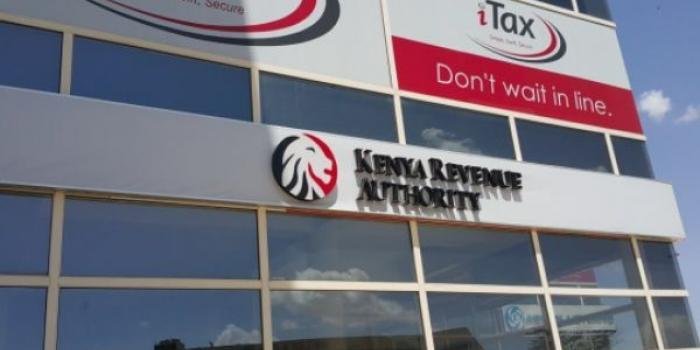

KRA transaction monitoring is emerging as one of the most debated issues in Kenya’s tax landscape, as businesses and financial stakeholders question whether the system is striking the right balance between enforcement and fairness. The initiative, designed to enhance tax compliance and curb revenue leakage, is increasingly placing companies under closer scrutiny, with real-time data tracking becoming a central feature of the Kenya Revenue Authority’s strategy. While the objective is to widen the tax base and improve accountability, concerns are growing that the current approach may disproportionately burden compliant businesses. As the debate intensifies, KRA transaction monitoring is now at the center of a broader conversation about transparency, trust, and the future of taxation in Kenya.

KRA Transaction Monitoring Expands as Tax Compliance Pressure Increases
The expansion of KRA transaction monitoring reflects a deliberate shift toward data-driven tax enforcement, with the Kenya Revenue Authority leveraging technology to track financial activity more closely than ever before. By integrating systems that capture transactional data across sectors, the authority aims to reduce tax evasion and improve revenue collection in an economy where informal activity remains significant.
This approach aligns with global trends, where tax authorities are increasingly adopting digital tools to enhance compliance. In Kenya, however, the pace and scope of implementation have sparked debate. Businesses, particularly small and medium-sized enterprises, argue that the compliance burden is rising at a time when operating costs are already elevated due to inflation and economic uncertainty.
For many firms, KRA transaction monitoring introduces additional administrative complexity. Companies must ensure that their systems are fully aligned with regulatory requirements, often requiring investment in new technology and processes. While larger corporations may have the resources to adapt quickly, smaller businesses face greater challenges, raising concerns about uneven impacts across the economy.
At the same time, regulators maintain that enhanced monitoring is essential for ensuring fairness within the tax system. By capturing more accurate data, the authority can identify discrepancies and reduce opportunities for underreporting. This, in theory, levels the playing field by ensuring that all businesses contribute their fair share, rather than allowing non-compliant entities to gain an unfair advantage.
KRA Transaction Monitoring Debate Highlights Need for Balance and Trust
The growing scrutiny around KRA transaction monitoring ultimately points to a deeper issue: the balance between enforcement and trust in the tax system. While strong compliance mechanisms are critical for government revenue, overly aggressive monitoring can risk undermining confidence among taxpayers, particularly if it is perceived as intrusive or unevenly applied.
Analysts argue that transparency in how data is collected, used, and protected will be key to maintaining this balance. Businesses are more likely to support compliance initiatives when there is clarity around processes and safeguards, as well as assurances that monitoring will not lead to arbitrary enforcement actions. In this context, the role of regulatory communication becomes increasingly important.
You Might Also Like: Africa Debt Crisis Deepens as Youth Investment Takes a Back Seat
There is also a broader economic dimension to consider. As Kenya positions itself as a regional business hub, regulatory frameworks must support both revenue generation and investment attraction. If KRA transaction monitoring is seen as overly burdensome, it could influence how investors assess the ease of doing business in the country. Conversely, a well-calibrated system that enhances transparency without stifling enterprise could strengthen Kenya’s reputation as a compliant and well-regulated market.
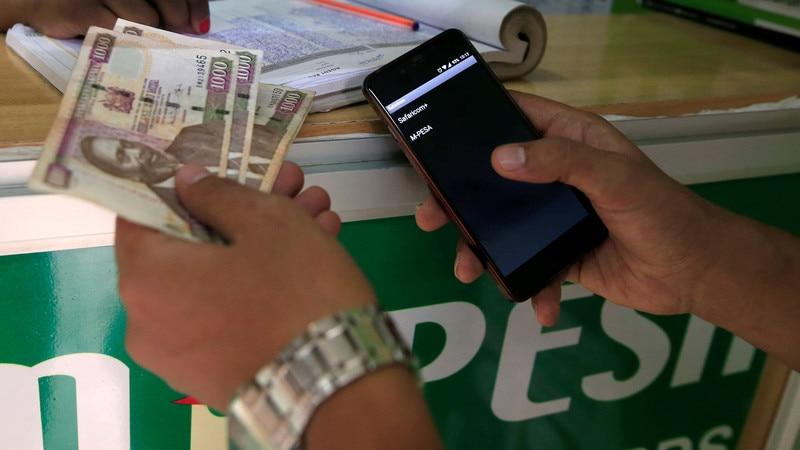
Institutions such as the Central Bank of Kenya and other financial stakeholders are closely watching how this policy evolves, particularly given its intersection with digital payments and financial inclusion. Kenya’s leadership in mobile money adoption means that transaction data is more accessible than in many other markets, amplifying both the opportunities and risks associated with monitoring.
As the conversation continues, KRA transaction monitoring stands as a pivotal policy tool whose success will depend on execution. Striking the right balance between enforcement, fairness, and economic growth will determine whether it becomes a model for modern tax systems or a source of ongoing contention within Kenya’s business environment.
Related Posts

Previous Post
Next Post