Now Reading: Treasury Secures Majority Stake in Kenya Airways After Workers Exit
-
01
Treasury Secures Majority Stake in Kenya Airways After Workers Exit
Treasury Secures Majority Stake in Kenya Airways After Workers Exit

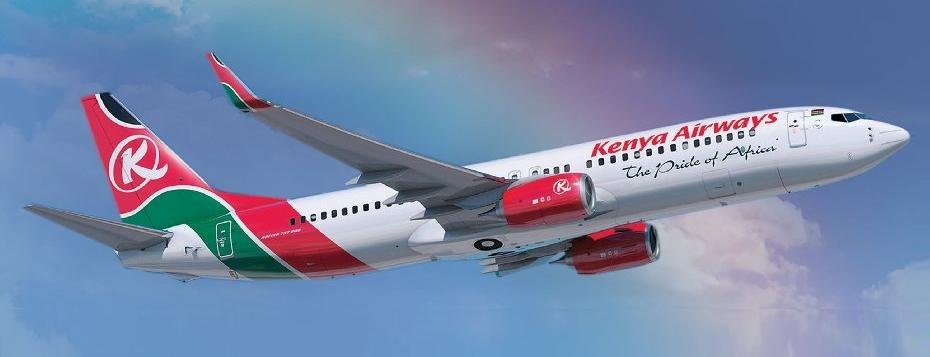

Kenya Airways government control has significantly expanded after the National Treasury acquired a 50.1 percent stake in the national carrier following the exit of the employees’ share ownership scheme. The move marks a major shift in the airline’s ownership structure and reinforces the government’s dominant role in steering the future of the struggling carrier. For years, Kenya Airways has faced financial turbulence marked by heavy debt, restructuring efforts, and repeated state interventions. With Kenya Airways government control now firmly established, policymakers are expected to play a more direct role in shaping the airline’s recovery strategy and long-term competitiveness.
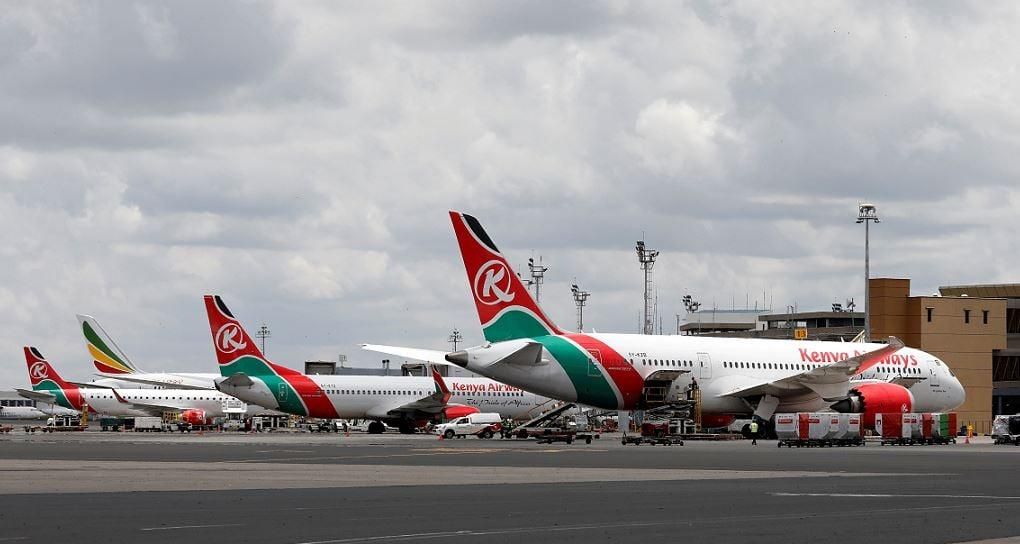
Kenya Airways Government Control Expands as Treasury Consolidates Ownership
The increase in Kenya Airways government control follows the exit of the airline’s employees’ share ownership scheme, which previously held a notable stake in the company. By taking over these shares, the National Treasury Kenya has become the majority shareholder with a controlling 50.1 percent stake.
This development represents another chapter in the long-running restructuring of Kenya Airways, which has been grappling with financial challenges for more than a decade. Heavy debt obligations, operational disruptions, and the impact of the COVID-19 pandemic significantly weakened the airline’s balance sheet, prompting repeated intervention from the government.
The expanded Kenya Airways government control effectively places strategic decision-making firmly in state hands. With majority ownership, the Treasury now has greater authority to influence corporate governance, operational restructuring, and financial recovery plans.
Supporters of the move argue that stronger state oversight may provide the stability needed to guide the airline back to profitability. National carriers often play a strategic role in tourism, trade connectivity, and national branding, making their stability important beyond purely commercial considerations.
However, critics caution that increased government involvement can also introduce inefficiencies if not managed carefully. Balancing commercial discipline with public ownership will be a key challenge as the airline navigates its next phase of restructuring.
Kenya Airways Government Control Raises Questions on Future Strategy
The strengthening of Kenya Airways government control also raises broader questions about the airline’s long-term strategic direction. Policymakers will need to determine how best to position the carrier in an increasingly competitive global aviation industry.
One possible focus is improving operational efficiency and strengthening regional connectivity across Africa. As international travel demand continues to recover, airlines that optimize routes, manage costs effectively, and build strong partnerships are more likely to achieve sustainable growth.
Another key factor will be financial restructuring. Kenya Airways has historically carried a heavy debt burden, and managing these obligations will be crucial to restoring profitability. The involvement of regulators such as the Capital Markets Authority may also shape governance and transparency expectations as the airline adjusts to its new ownership structure.
You Might Also Like: Kenya Turns to Local Market with New Treasury Bond Offer
Industry observers suggest that the success of the restructuring will depend on maintaining professional management and clear strategic priorities. While government support provides stability, long-term sustainability will ultimately depend on the airline’s ability to operate efficiently in a competitive market.
The expansion of Kenya Airways government control therefore represents both an opportunity and a challenge. On one hand, it allows the state to safeguard a strategic national asset. On the other, it places significant responsibility on policymakers to ensure that public ownership translates into improved performance rather than prolonged financial dependency.
As Kenya continues to position itself as a regional transport hub, the trajectory of its national airline will remain closely watched by investors, policymakers, and the broader aviation industry.
Related Posts



Previous Post
Next Post