Now Reading: Turkey, Ethiopia Sign New Energy MOU in Addis Ababa
-
01
Turkey, Ethiopia Sign New Energy MOU in Addis Ababa

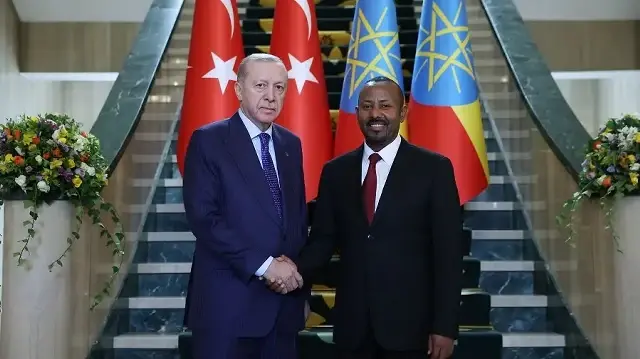

Turkey and Ethiopia signed an energy deal during President Erdogan’s visit to Addis Ababa, opening doors for joint projects in power plants and renewables that could boost trade and jobs for both nations.
Turkish President Recep Tayyip Erdogan made his first trip to Ethiopia in 11 years on February 17, 2026, meeting Prime Minister Abiy Ahmed.
The visit marked 100 years since Turkey opened its embassy in Addis Ababa.
Their talks led straight to a memorandum of understanding (MoU) on energy, inked by Turkish Energy Minister Alparslan Bayraktar and Ethiopian Water and Energy Minister Habtamu Itefa.
The agreement sets a roadmap for teamwork in electricity generation, renewables, and energy-saving tech.
Both sides pledged to produce and install gear for hydroelectric plants and electric turbines, tapping public and private investments.
Why Energy Matters to Businesses
Ethiopia needs more reliable power to fuel its factories and attract investors; blackouts have long hurt manufacturing.
Turkey brings technical know-how from its own hydro and renewable projects, plus companies that are ready to invest.
This could mean new dams, solar farms, or grid upgrades, creating thousands of local jobs and cutting Ethiopia’s energy import bills.
On the other hand, the deal is a gateway to Africa’s fast-growing market for Turkish firms. Turkey already ranks as Ethiopia’s second-biggest investor, with activity in construction and textiles.
Last year, their trade hit $253 million, up 5% from the previous year, and this deal could double that by linking energy exports to infrastructure projects and economic gains.
Growing Trade Ties
The energy pact aligns with Turkey’s big push into Africa. Ankara now has 44 embassies there, up from a handful two decades ago, and trade jumped from $5 billion in 2003 to $40 billion by 2024.
Turkish builders have handled $97 billion in African projects, employing over 100,000 locals.
Similarly, Ethiopia gains a partner outside traditional Western lenders. Amid regional tensions, such as its push for a Somaliland port, Turkey’s mediation in 2024 helped ease the Ethiopia-Somalia disputes, building trust.
Erdogan’s recent dispatch of a drilling ship to Somalia shows Turkey eyeing the Horn’s oil potential too.
Regional Power Play
The Turkey-Ethiopia energy cooperation deal has wider implications for the Horn of Africa, strengthening regional energy security and geopolitical influence.
By supporting renewable energy, hydropower equipment production, and efficiency projects, Ethiopia could accelerate power generation critical for industrial growth and regional electricity exports.
The agreement also consolidates Turkey’s role as a strategic economic and diplomatic partner in East Africa, complementing its mediation efforts in regional disputes.
The deal may also encourage infrastructure investment, reduce energy deficits across neighbouring states, and rebalance external influence in a region traditionally shaped by Gulf, Western, and Chinese interests.
What Comes Next
As both countries mark 100 years of formal diplomatic ties, the Addis Ababa agreements signal continuity in relations and a likely expansion of cooperation in energy, trade, and regional diplomacy, cementing Turkey’s role as an increasingly influential partner in Africa’s economic and strategic affairs.
However, what truly comes next will be measured in implementation.
Technical teams from Turkey and Ethiopia are expected to begin feasibility studies to identify priority renewable and hydropower projects, followed by financing and procurement frameworks.
Turkish firms could soon bid for equipment supply and plant construction, while Ethiopia moves to integrate the projects into its national energy plan
Also Read: Africa Doubles Down on Foreign Oil and Gas Investments as Libya Taps Chevron and Eni – Business News
Related Posts


Previous Post
Next Post