Now Reading: US is Folding Its Health Aid to Zimbabwe After $367 Million Deal Collapses Over Data Sovereignty Concerns
-
01
US is Folding Its Health Aid to Zimbabwe After $367 Million Deal Collapses Over Data Sovereignty Concerns
US is Folding Its Health Aid to Zimbabwe After $367 Million Deal Collapses Over Data Sovereignty Concerns

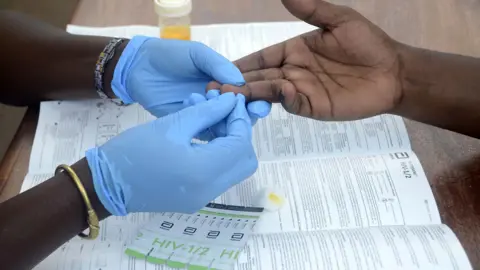

The United States has announced it will begin winding down health assistance to Zimbabwe after negotiations over a $367 million bilateral funding agreement collapsed, with Harare rejecting what it described as “lopsided” conditions requiring access to sensitive health data without guarantees of reciprocal benefits.
The breakdown could affect programs supporting 1.2 million Zimbabweans receiving HIV treatment and casting a shadow over the country’s already fragile public health system.
‘Asymmetrical Arrangement’ Rejected
Zimbabwean government spokesperson Nick Mangwana confirmed on Wednesday that President Emmerson Mnangagwa directed the termination of negotiations after concluding the proposed five-year Memorandum of Understanding was fundamentally unbalanced.
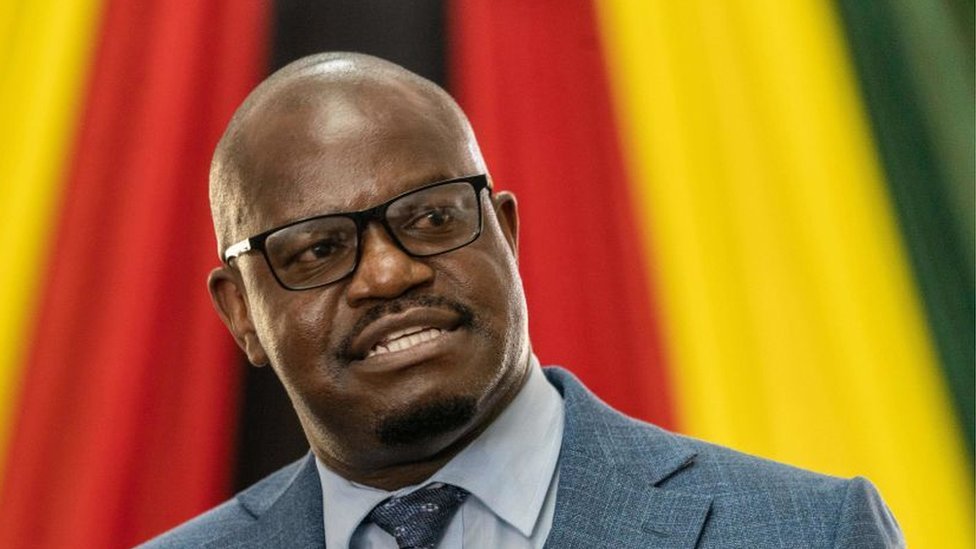
“At its core, the arrangement was asymmetrical,” Mangwana said. “Zimbabwe was being asked to share its biological resources and health data over an extended period, with no corresponding guarantee of access to any medical innovations, such as vaccines, diagnostics, or treatments, that might result from that shared data.”
The government’s concerns centred on U.S. demands for comprehensive access to Zimbabwe’s sensitive health data, including virus samples and epidemiological information from citizens.
Crucially, Washington was not offering to share its own epidemiological data with Zimbabwean health authorities.
“In essence, our nation would provide the raw materials for scientific discovery without any assurance that the end products would be accessible to our people should a future health crisis emerge,” Mangwana added.
U.S. Response: ‘Regrettable’ Withdrawal
U.S. Ambassador to Zimbabwe Pamela Tremont confirmed the collapse of negotiations in a statement on Tuesday, expressing disappointment while defending the proposed agreement as the largest potential health investment in Zimbabwe by any international partner.
“We believe this collaboration would have delivered extraordinary benefits for Zimbabwean communities, especially the 1.2 million men, women, and children currently receiving HIV treatment through U.S.-supported programs,” Tremont said.
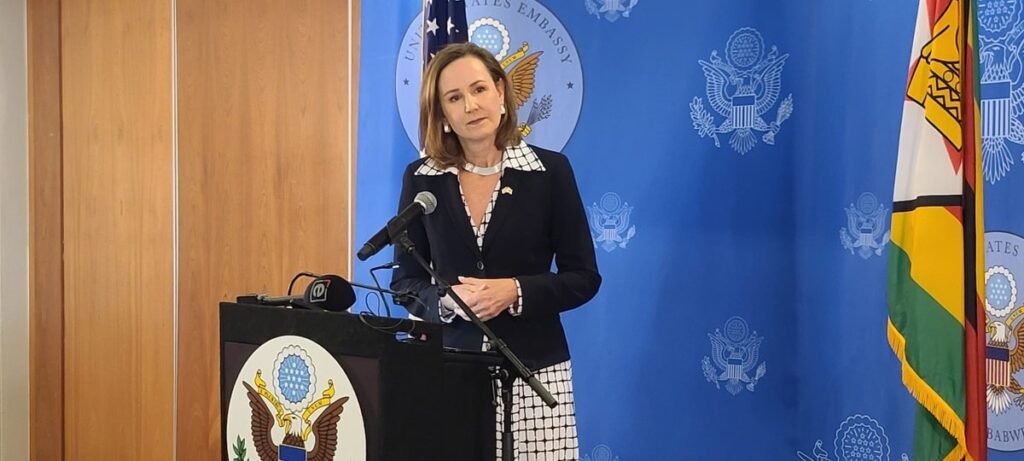
The funding would have supported priority health programs, including HIV/AIDS treatment and prevention, tuberculosis, malaria, maternal and child health, and disease outbreak preparedness over five years.
“We will now turn to the difficult and regrettable task of winding down our health assistance in Zimbabwe,” Tremont announced. Noting that Zimbabwe had indicated it was prepared to continue its HIV response independently, she added: “We wish them well.”
Two Decades of Partnership Unravelling
The United States has been Zimbabwe’s largest bilateral health donor for nearly two decades, providing almost $2 billion in assistance since 2006. U.S. officials credit this support with Zimbabwe’s success in reaching United Nations targets for HIV treatment, testing, and viral load suppression.
The timing is particularly delicate. Zimbabwe recently began rolling out lenacapavir, a long-acting HIV prevention drug administered twice a year, supported by the U.S. President’s Emergency Plan for AIDS Relief (PEPFAR) in partnership with the Global Fund.
Questions now surround future deliveries under the program.
Health Professionals Sound Alarm
The Zimbabwe College of Public Health Physicians has urged continued dialogue, warning of severe consequences from abrupt funding termination.
“An abrupt discontinuation of such support could risk treatment interruption, increased transmission, the emergence of drug resistance, and additional strain on the health system,” the college said in a statement.
While acknowledging understanding of the government’s sovereignty concerns, the college suggested negotiations should continue, given that much of Zimbabwe’s HIV programs rely on external financing.
“Where technical issues exist, including those relating to data governance or implementation frameworks, these can often be addressed through technical clarification and negotiated safeguards.”
Broader Shift in U.S. Global Health Strategy
The collapsed deal reflects fundamental changes in U.S. global health engagement under President Donald Trump.
The administration has withdrawn from the World Health Organisation and dismantled USAID, replacing multilateral arrangements with bilateral “America First” health funding agreements.
The U.S. embassy in Zimbabwe said partnership agreements worth more than $18 billion have been signed with 16 African countries, although recipient countries would contribute about $7.1 billion as part of Washington’s push for greater self-investment in health sectors.
Several nations have already entered the new pacts.
Nigeria reached an agreement emphasising Christian-based health facilities. Rwanda and Uganda have also signed deals, some of which include provisions for private U.S. sector investment.
Continental Pattern of Data Concerns
Zimbabwe’s rejection follows similar concerns elsewhere in Africa.
In Kenya, a health pact signed in December was suspended by the High Court pending a case filed by a consumer rights group over data safety concerns.
Mangwana emphasised that Zimbabwe’s reservations should not be misconstrued as anti-American sentiment.
Instead, he framed the decision as part of Africa’s maturation as a geopolitical actor, seeking partnerships based on equality rather than patronage.
The government criticised the bilateral model as “a departure from the multilateral frameworks” and insisted that virus data with pandemic potential should be shared exclusively through the WHO system.
“This system is designed to ensure that when a country contributes its data, the benefits, including vaccines and treatments, are shared equitably, not commercialised exclusively by those with the resources to develop them,” Mangwana said.
What Lies Ahead
With U.S. health assistance winding down, Zimbabwe faces the daunting task of filling a massive funding gap in a health system already characterised by chronic shortfalls.
Patients in public facilities often must supply even basic items such as bandages, and frequently have to purchase their own medicines due to stockouts.
The government has signalled openness to continued dialogue. “We welcome continued dialogue with our American counterparts on how future co-operation might be structured in a manner that respects the sovereignty and dignity of both nations,” Mangwana said.
For now, however, one of Zimbabwe’s most critical health partnerships stands on the brink of dissolution, with millions of vulnerable patients watching anxiously as political considerations and data sovereignty concerns override decades of collaborative investment.
Read Also: Lithium Prices Jump After Zimbabwe Suspends Concentrate Exports – Business News