Now Reading: Why Electric Buses Are Becoming Profitable Transport Assets
-
01
Why Electric Buses Are Becoming Profitable Transport Assets

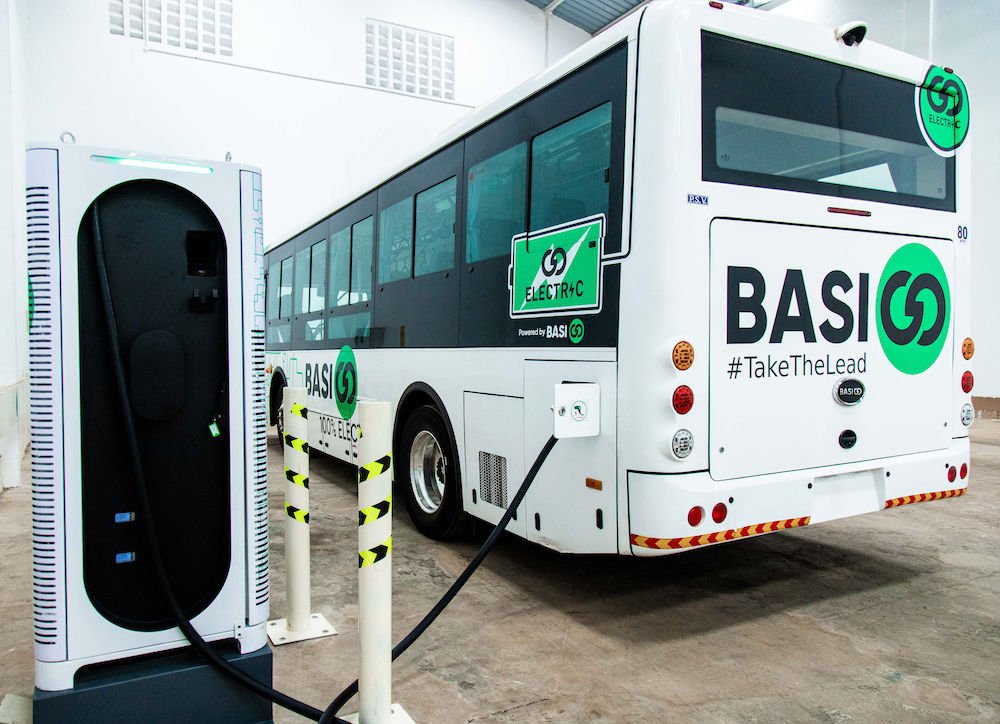

Electric buses are emerging as a powerful force reshaping public transport economics, showing that sustainability and profitability are no longer opposing goals. Across Kenya, operators adopting electric buses are reporting lower operating costs, stronger margins, and improved service quality at a time of volatile fuel prices and rising urban congestion. As cities search for cleaner mobility solutions, the commercial case for electric buses is becoming harder for transport investors and policymakers to ignore.
How electric buses are transforming operating economics
For many transport companies, the most immediate advantage of electric buses lies in day-to-day cost savings. Electricity prices are generally more stable than diesel, allowing operators to plan expenses with greater certainty. Unlike fuel, which is exposed to global price shocks and currency swings, electricity offers predictable pricing that protects margins. Operators say this stability alone has changed how they budget and forecast cash flows.
Maintenance savings add another layer of value. Electric buses have significantly fewer moving parts than diesel engines, reducing wear and tear and lowering the frequency of breakdowns. Fleet managers report fewer workshop visits, lower spare-parts costs, and reduced downtime. Over time, these efficiencies compound, enabling buses to spend more hours on the road generating revenue instead of sitting idle for repairs.
Perhaps most striking is how quickly some operators say electric buses begin to pay for themselves. While upfront purchase prices remain higher than diesel alternatives, savings from fuel and maintenance are allowing companies to recover investments faster than initially expected. On high-demand urban routes, where buses operate for long hours each day, electric buses deliver especially strong returns. Higher utilization amplifies cost savings, translating into improved profit margins and healthier balance sheets.
Beyond internal economics, electric buses are also enhancing customer appeal. Quieter rides, smoother acceleration, and the absence of exhaust fumes improve passenger comfort and perception. In congested cities grappling with air pollution, operators using electric buses benefit from a cleaner brand image that resonates with environmentally conscious commuters and corporate clients alike. For some companies, this reputational boost is opening doors to partnerships and contracts that prioritize sustainability.
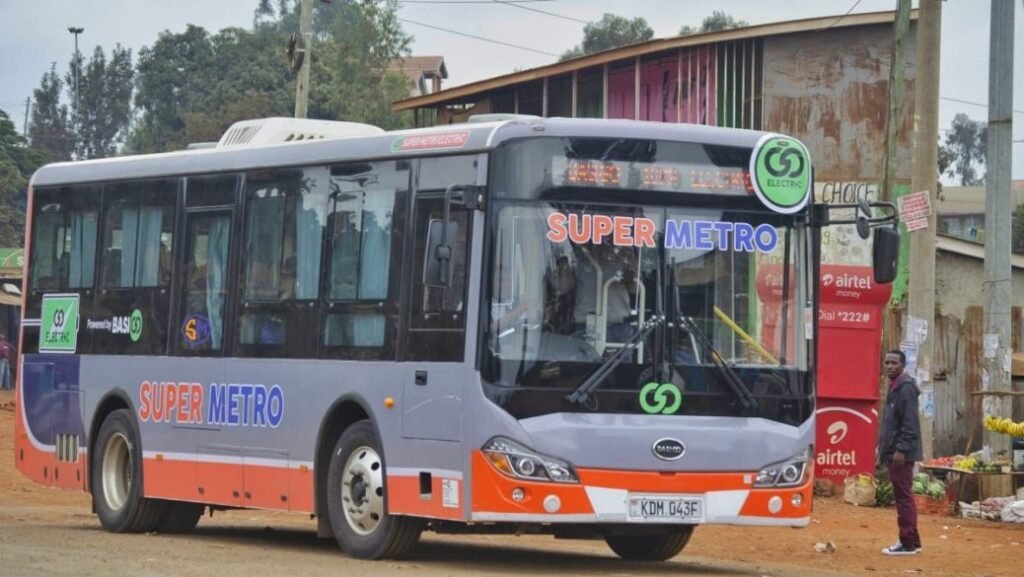
Challenges shaping the future of electric buses in Kenya
Despite the clear upside, the transition to electric buses is not without obstacles. Charging infrastructure remains uneven, particularly outside major urban centers. Operators must carefully plan routes, charging schedules, and fleet sizes to avoid disruptions. Limited charging stations can constrain expansion, especially for companies seeking to deploy buses across multiple corridors.
Power reliability is another concern. While electricity is cheaper than fuel, outages or grid instability can affect operations if backup solutions are not in place. Some operators are responding by investing in on-site charging hubs or exploring solar-powered systems to reduce dependence on the grid, but these solutions add to upfront costs.
See Also: Meta’s Dominance in the Kenya Digital Advertising Market Explained
Financing remains a key barrier, particularly for smaller transport businesses. The initial cost of electric buses is still high relative to diesel models, making access to affordable credit crucial. Without supportive financing structures, adoption risks being concentrated among larger players, slowing the broader transition of the public transport sector.
Even so, momentum is building. Falling battery costs, improving technology, and growing policy support for green transport are gradually easing these constraints. As experience grows and infrastructure expands, analysts expect electric buses to become increasingly competitive across more routes and business models.
In the longer term, electric buses represent more than a cleaner alternative—they signal a shift in how transport economics are structured. By lowering operating risk, stabilizing costs and enhancing service quality, electric buses are redefining what “good business” looks like in public transport. For Kenya’s cities, the combination of profitability and sustainability could make electric buses a cornerstone of future mobility strategies.
Related Posts
Previous Post
Next Post