Now Reading: Why Sameer Naushad Merali Is Considered One of Kenya’s Richest and Most Strategic Business Titans
-
01
Why Sameer Naushad Merali Is Considered One of Kenya’s Richest and Most Strategic Business Titans
Why Sameer Naushad Merali Is Considered One of Kenya’s Richest and Most Strategic Business Titans

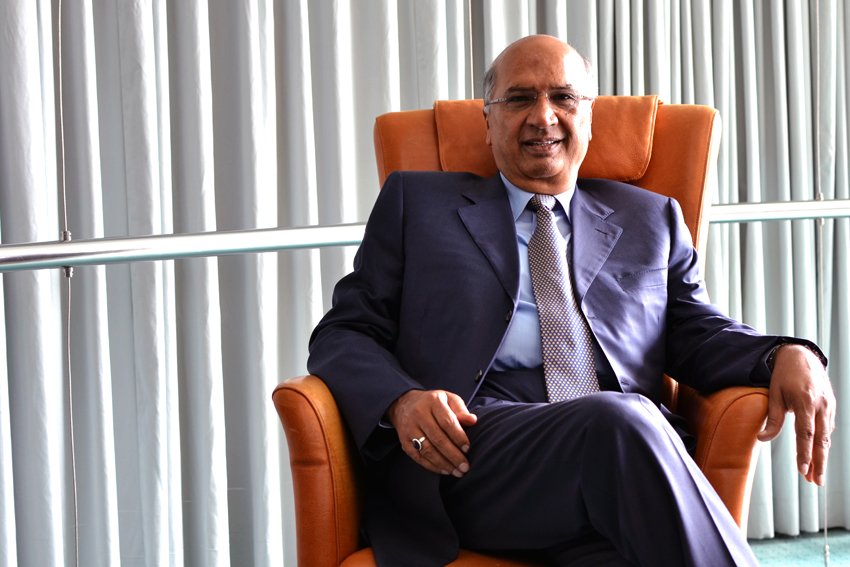

“They say raise your children to follow in your footsteps and carry forward your legacy.” For Sameer Naushad Merali, that saying is not just a proverb — it is a lived reality. When his father, the legendary Kenyan businessman Naushad Merali, passed away in 2021, the responsibility of safeguarding and growing a multi-billion-shilling empire fell squarely on his shoulders. But inheritance alone does not sustain wealth. Leadership does.
At just 45, Sameer stepped into the boardrooms of one of East Africa’s most diversified conglomerates, not as a symbolic successor, but as a strategist prepared by years of financial training, global exposure, and disciplined investment thinking. Today, he is considered one of Kenya’s richest and most strategic business titans — not simply because of what he inherited, but because of how he manages it.
At the time of succession, the family’s wealth was estimated at approximately $1.4 billion (around KSh 182 billion), positioning Sameer among Kenya’s wealthiest individuals. But inheritance alone does not sustain billion-shilling portfolios. The real test lies in stewardship — and in whether the second generation can protect and grow what the first built.
Born in Nairobi in 1976, Sameer’s preparation for leadership was deliberate. He earned a BSc in Management Science from King’s College London and later an MSc in Banking and International Finance from City University Business School in London. Before joining the family enterprise in 2003, he worked as an investment analyst at Merrill Lynch in the UK, sharpening his understanding of capital markets, acquisitions, and valuation strategy.
That financial discipline would later define his leadership style.
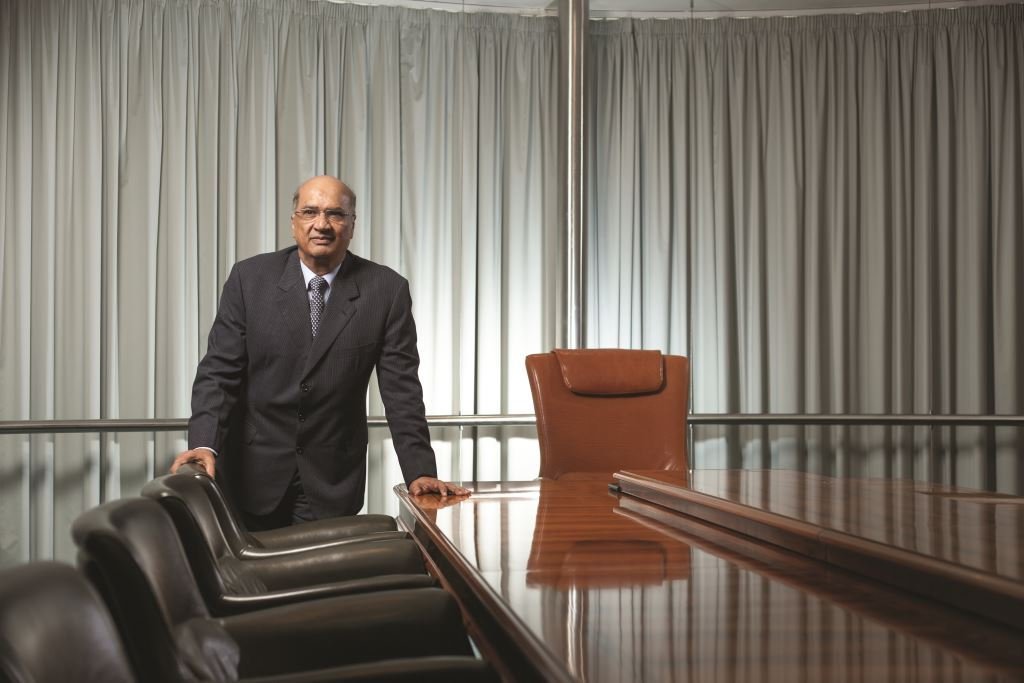
The Sameer Group Empire Across Sectors
The Sameer Group is not a single enterprise but a diversified conglomerate spanning more than 15 companies across agriculture, real estate, finance, manufacturing, ICT, and automotive sectors. At the center is Sameer Investments Limited, the holding vehicle through which the family controls its strategic stakes.
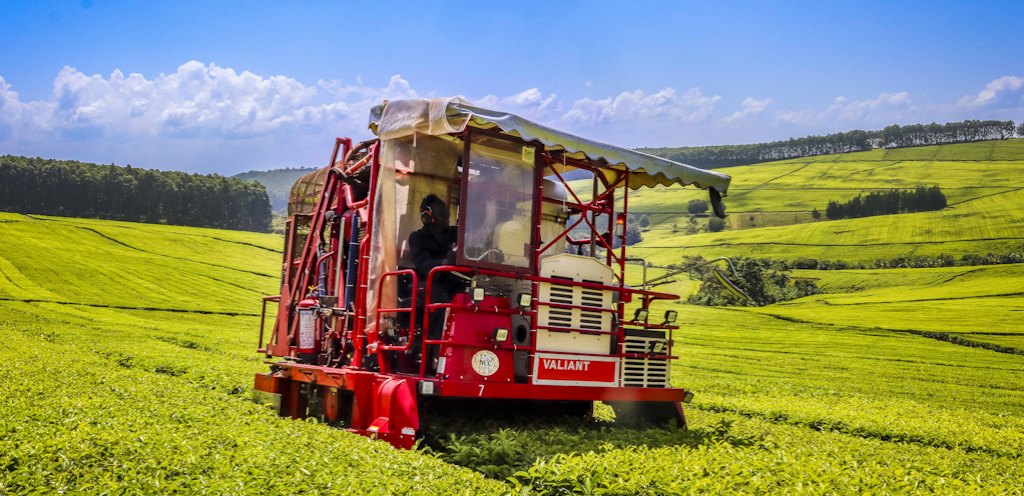
One of the most significant pillars of the empire lies in publicly listed firms on the Nairobi Securities Exchange. The family controls roughly 65 percent of Sasini PLC, one of Kenya’s leading tea and coffee producers with extensive estates and export operations. Through dividends and global commodity markets, Sasini provides consistent foreign exchange earnings and long-term asset value.
They also hold about 74 percent of Sameer Africa PLC, a company that once dominated tyre manufacturing in East Africa. Under Sameer’s watch, this firm underwent a significant pivot — moving away from struggling industrial production and toward property leasing and real estate management, a move that stabilized revenue and enhanced valuation.
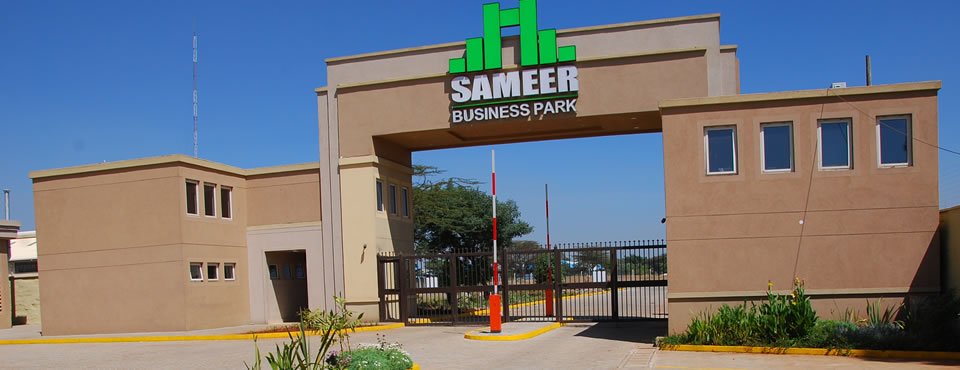
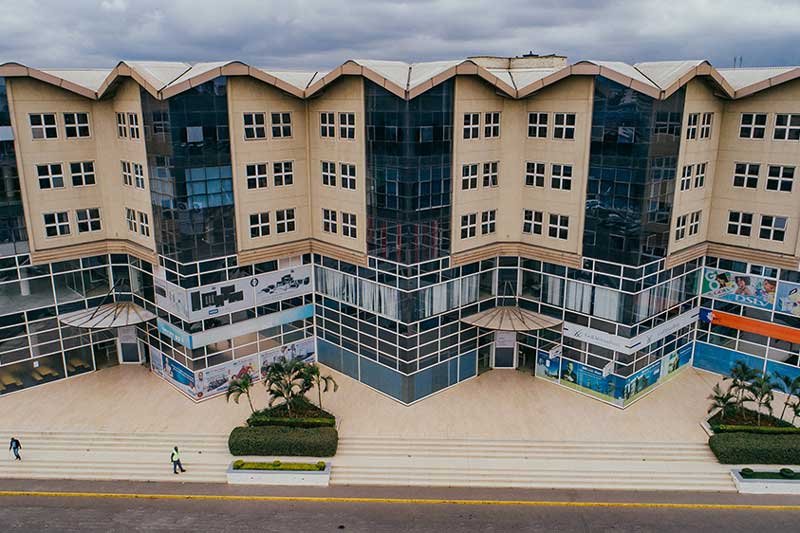
Real estate forms a powerful backbone of the empire. The group owns more than 750,000 square feet of prime industrial and commercial space in Nairobi, including Sameer Business Park along Mombasa Road, Rivaan Centre, and Sameer Industrial Park — Kenya’s first private Export Processing Zone. These properties generate recurring rental income from multinational tenants, logistics operators, and regional distributors.
In banking, the Merali family maintains a significant stake — estimated between 5 and 6 percent — in NCBA Group, one of Kenya’s largest financial institutions. Such cross-sector positioning spreads risk while anchoring influence across agriculture, finance, and property.
Also Read: Kenya’s digital future depends on delivery, not abstract visions
The Strategy Behind the Wealth
What truly distinguishes Sameer Merali is not only the scale of assets, but the strategy behind them.
The Merali wealth model has long been defined by market timing. His father famously exercised pre-emptive rights in 2004 to acquire a 60 percent stake in Kencell from Vivendi and quickly resold it to Celtel, reportedly generating about $20 million in profit in a matter of hours. That deal became legendary in Kenya’s corporate circles.
Sameer continues to operate within this disciplined framework. Rather than holding assets sentimentally, the group exits when valuations peak and re-enters when opportunities arise. Divestments from Kenya Data Networks and Equatorial Commercial Bank reportedly generated billions in capital gains over the years.
Perhaps the clearest demonstration of strategic thinking came when tyre manufacturing became uncompetitive due to cheap imports. Instead of sustaining losses, Sameer oversaw the closure of the factory and transformed the land into high-yield commercial real estate. By focusing on recurring rental income instead of volatile manufacturing margins, the company significantly strengthened its balance sheet.
The group’s revenue engine today rests on three pillars: dividends from listed companies, rental income from prime property, and capital gains from opportunistic buyouts and exits. It is a conservative yet powerful formula — one that favors patience over hype.
Regional Reach and Agribusiness Influence
Through its majority stake in Sasini and other agricultural ventures, the Sameer Group remains deeply embedded in Kenya’s tea and coffee export economy. These commodities continue to generate foreign earnings and link the empire to global supply chains.
In dairy and agribusiness, regional operations have expanded into Uganda under brands such as Daima and Creambell, strengthening the group’s East African footprint. By integrating production and distribution networks, the family maintains both scale and efficiency.
Diversification ensures resilience. If property slows, agriculture cushions cash flow. If commodity prices fluctuate, rental income provides stability. This layered strategy reduces vulnerability to single-sector shocks.
Also Read: Africa’s Next Economic Boom Will Be Boring
Philanthropy and Quiet Influence
Despite overseeing vast assets, Sameer maintains a notably low public profile. Through the Zarina and Naushad Merali Foundation, the family has invested heavily in healthcare and education initiatives. A notable contribution included funding the Surgical Daycare Centre at Kenyatta National Hospital with a donation of approximately KSh 100 million.
Unlike entrepreneurs who build brands around personality, Sameer’s influence is institutional. It is reflected in dividend flows, board decisions, land holdings, and long-term leases — not media appearances.

Why He Is Considered Among Kenya’s Richest
So why is Sameer Naushad Merali consistently considered one of Kenya’s richest and most strategic businessmen?
Because wealth at this level is not just about valuation — it is about durability. His empire spans agriculture, banking, real estate, and industrial assets. It generates recurring income. It survives economic cycles. It adapts when industries shift.
In a country where many business dynasties struggle during generational transition, Sameer has preserved and repositioned a multi-billion-shilling empire with discipline and strategic clarity.
The real question may not be how rich he is today — but how much larger the empire could become under his long-term stewardship.
Previous Post
Next Post