Now Reading: Why SME Digital Banking Solutions Are Critical for Sustainable Growth
-
01
Why SME Digital Banking Solutions Are Critical for Sustainable Growth

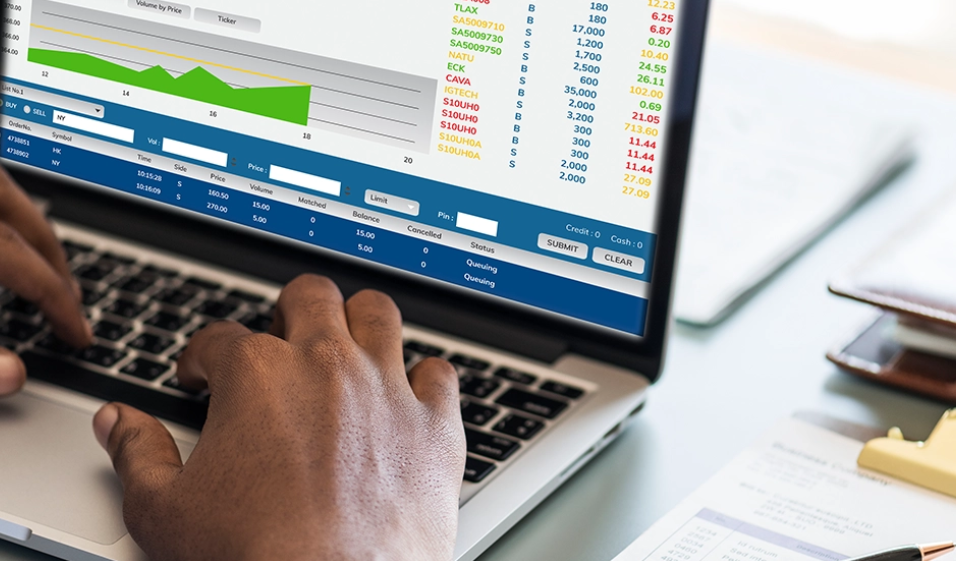

SME digital banking is no longer a luxury for Kenya’s small and medium-sized enterprises — it is becoming a strategic necessity. As businesses scale in complexity, many owners still find themselves experimenting with disconnected tech tools without first diagnosing their core financial challenges, leading to wasted time, inefficiencies, and stalled growth. Rather than adapting seamlessly to evolving business needs, SMEs often juggle multiple systems for payroll, supplier payments, reconciliations, and reporting. The result is operational fatigue and limited visibility into real-time financial performance.
Cash flow bottlenecks slow SME digital banking adoption
According to the Kenya Association of Manufacturers, more than 60 per cent of SMEs struggle with cash flow constraints due to delayed payments. Without access to real-time financial data, many entrepreneurs make decisions based on outdated information, exposing their businesses to liquidity risks.
SME digital banking platforms address these structural gaps by automating repetitive processes such as payroll and bulk supplier payments, reducing human error, and freeing up management time. Real-time dashboards provide instant visibility into account balances, receivables, and outgoing obligations, helping business owners make informed decisions.
The flexibility to manage accounts remotely — anytime and anywhere — also aligns with the operational realities of SMEs running multi-location or mobile operations.

Building scalable financial infrastructure
As regional trade accelerates under the African Continental Free Trade Area (AfCFTA), SMEs require banking solutions that can handle cross-border transactions efficiently. SME digital banking platforms enable multi-currency payments and faster international settlements, reducing friction for businesses expanding beyond Kenya’s borders.
Equity Online for Business, formerly EazzyBiz, is one example of a platform tailored to these needs. It integrates with existing enterprise systems, supports bulk payments, and offers tools for cash flow management and international transactions. By embedding automation and analytics into daily operations, it reduces administrative strain while enhancing financial oversight.
You Might Also Like: Safaricom Dividend Boost Strengthens Investor Confidence
Beyond operational efficiency, SME digital banking enhances strategic planning. Access to detailed analytics allows business owners to monitor trends, identify growth opportunities, and mitigate risks before they escalate. Seamless integration with other financial systems ensures scalability without costly system overhauls.
The broader shift toward digital financial services reflects a transformation in Kenya’s business ecosystem. SMEs that embrace SME digital banking are better positioned to compete, optimize working capital, and navigate economic volatility.
Related Posts



Previous Post
Next Post