Now Reading: Why Social Media Marketing is the Best Route to Scale Your SME
-
01
Why Social Media Marketing is the Best Route to Scale Your SME

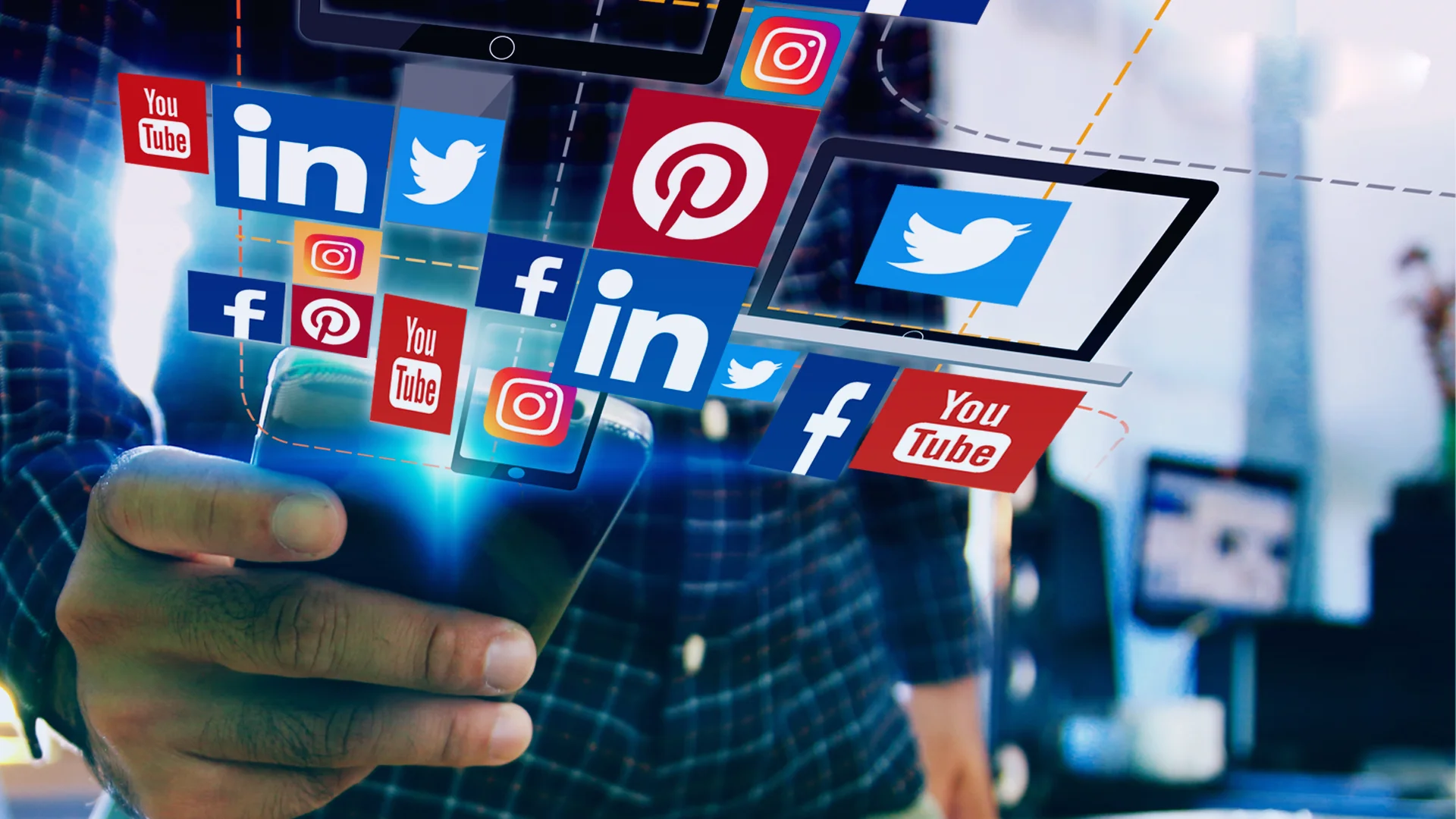

With over 35 million Kenyans actively using the internet and social media penetration at an all-time high, small and medium enterprises (SMEs) are discovering that social media marketing can be, perhaps, the most useful tool to scale their business.
Many Kenyan SMEs are leveraging platforms like Facebook, TikTok, Instagram, and WhatsApp to reach customers, build brands, and drive sales in ways traditional marketing never could.
However, if you are one of those business owners still on the fence, this post provides the rationale on why your SME should invest time and money in social media.
Cost-Effective
If your SME is operating on tight budgets, traditional advertising, billboards, radio spots, or newspaper ads can remain prohibitively expensive. Social media changes that equation entirely.
A Facebook or Instagram page costs nothing to set up.
Even paid advertising campaigns can begin with as little as KSh 500, allowing businesses to test messages, target specific audiences, and scale only what works.
This democratisation of marketing means a small boutique in Eastlands can compete for attention alongside established brands in Westlands.
“Social media marketing is one of the most affordable ways to promote your business,” says Martin Mwangi, a Nairobi-based digital marketing consultant. “You don’t need massive budgets. You need strategy, consistency, and an understanding of where your customers spend their time online.”
Access to Kenya’s Massive Digital Audience
Kenya’s digital footprint is staggering. With over 35 million internet users and more than 80 per cent of them active on social media, the potential customer base is enormous and growing.
Different platforms attract different demographics. TikTok and Instagram capture Gen Z and younger millennials with visual, entertaining content.
Facebook maintains a broad cross-generational reach, particularly valuable for businesses targeting older consumers.
LinkedIn connects B2B service providers with professionals, while WhatsApp enables direct, personalised conversations that often convert to sales.
“SMEs that understand these platform dynamics can reach precisely the customers they want,” explains Francis Thige, an SEO and content strategy expert. “A salon in Mombasa can target women aged 18-35 within a 10-kilometre radius.
A hardware store in Eldoret can reach homeowners and contractors in surrounding counties. The targeting capabilities are unprecedented.”
Building Trust and Credibility
In Kenya’s relationship-driven business culture, trust is currency. Social media provides SMEs with a platform to build that trust systematically.
Customer reviews, testimonials, and user-generated content serve as powerful social proof. When potential customers see real people using and endorsing products, whether through comments, shared photos, or video testimonials, credibility grows organically.
Consumers today are savvy; they research businesses online before making purchasing decisions.
A business with an active, engaged social media presence signals that it is legitimate, responsive, and customer-focused.”
Regular posting, prompt responses to comments and messages, and transparent communication during challenges all contribute to a brand reputation that drives long-term loyalty.
Driving Website Traffic and Sales
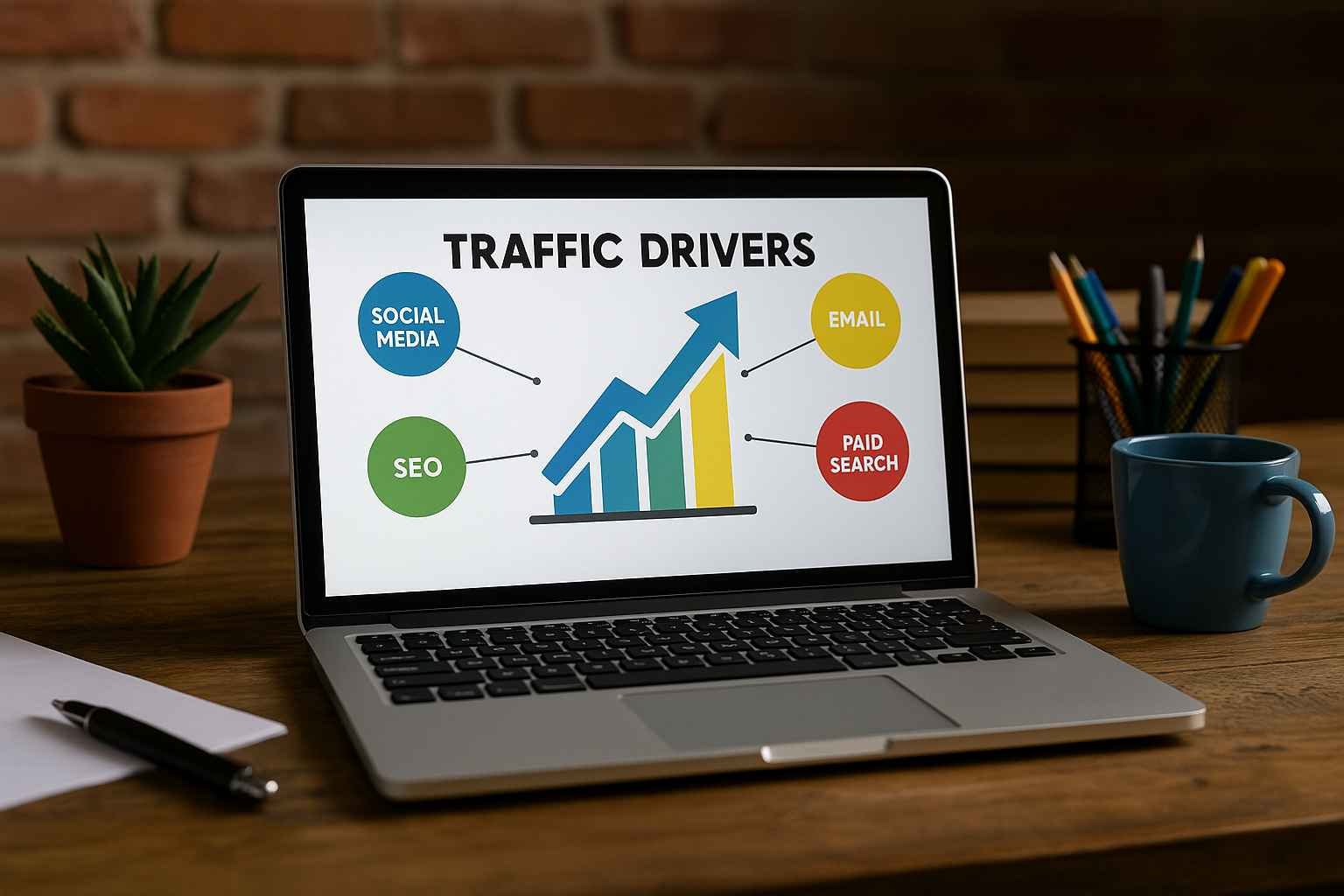
Social media serves as a critical gateway to business websites and e-commerce platforms.
Strategic content, whether blog links, product demonstrations, or promotional offers, drives qualified traffic to sites where conversions happen.
For businesses with e-commerce operations, platforms like Instagram and Facebook now offer integrated shopping features.
Customers can discover products, ask questions, and complete purchases without ever leaving the app.
WhatsApp has emerged as a particularly powerful sales channel, with businesses using broadcast lists and status updates to showcase products and field inquiries directly.
Engaging Customers in Two-Way Conversation
Unlike traditional media, which broadcasts messages to passive audiences, social media enables genuine dialogue. Businesses can answer questions, address concerns, celebrate customer milestones, and gather feedback in real time.
This engagement builds community. When customers feel heard and valued, they become brand advocates, sharing content, recommending businesses to friends, and defending brands against criticism.
“Social media allows you to humanise your business,” says Olgah Atellah, a digital marketing consultant. “People connect with people, not faceless companies. When you show the faces behind your brand, share your journey, and interact authentically, you create emotional connections that drive loyalty.”
Access to Actionable Insights
Social media platforms provide SMEs with data that would have cost fortunes to gather just a decade ago.
Analytics tools reveal who is engaging with content, when they are most active, what messages resonate, and which campaigns drive results.
Meta Business Suite shows exactly how many people saw a post, how they interacted, and their demographic characteristics.
TikTok Analytics tracks video performance and audience behaviour. These insights enable continuous improvement, helping businesses refine strategies and allocate resources more effectively.
Keeping Pace with Competitors
Depending on your industry or business sector, retail, hospitality, professional services, and manufacturing, chances are your competitors are already using social media. Staying absent risks rendering your business invisible.
“When customers search for products or services online and find competitors with active, engaging social media presence while your business has nothing, they make assumptions,” warns research from Valentine Cherotich’s study on women-owned MSEs in Kasarani. “They assume the competitor is more established, more professional, more trustworthy.”
This perception gap directly impacts sales. SMEs without social media presence increasingly find themselves locked out of markets dominated by more visible competitors.
Supporting Personal Branding and Expertise
For professional service providers, consultants, lawyers, real estate agents, and financial advisors, social media offers a platform to demonstrate expertise.
Sharing insights, answering industry questions, and providing valuable content positions business owners as thought leaders in their fields.
This personal branding approach builds trust before the first consultation. When potential clients already recognise a professional as knowledgeable and helpful through their social media presence, the sales conversation begins from a position of strength.
Measurable Return on Investment (ROI)
Perhaps most importantly, social media marketing delivers results that can be measured.
Unlike traditional advertising, where impact remains difficult to quantify, social media provides clear metrics: reach, engagement, website clicks, lead generation, and conversion rates.
Businesses can calculate cost per lead, return on ad spend, and customer acquisition costs with precision.
This accountability enables smarter budgeting and continuous optimisation.
Overcoming Challenges
Despite these benefits, many Kenyan SMEs still struggle with social media marketing.
Common pitfalls include inconsistent posting, lack of clear strategy, ignoring analytics, and expecting instant results.
“The businesses that succeed treat social media as a long-term investment, not a quick fix,” advises Mwangi. “They plan content, engage consistently, measure results, and adapt based on what the data tells them.”
The Bottom Line
Kenyan businesses are navigating an increasingly digital economy that calls for a strategic approach.
Social media marketing offers benefits that extend far beyond likes and followers. It provides affordable access to massive audiences, builds trust and credibility, drives sales, and delivers measurable results.
From the beauty salon in Mashinani building a local following to the tech startups in the cities attracting international clients, social media is not just another marketing channel; it is the channel through which modern commerce flows.
As internet penetration continues to grow and consumer behaviour shifts ever further online, the question for your SME is no longer whether to use social media, but how to use it most effectively.
Those who answer that question well will find themselves positioned for growth in Africa’s most dynamic digital economy.
Read Also: Why SME Digital Banking Solutions Are Critical for Sustainable Growth – Business News
Previous Post
Next Post