Now Reading: Zero Tariffs, Big Opportunity: Kenya Targets China’s Massive Food Market
-
01
Zero Tariffs, Big Opportunity: Kenya Targets China’s Massive Food Market
Zero Tariffs, Big Opportunity: Kenya Targets China’s Massive Food Market

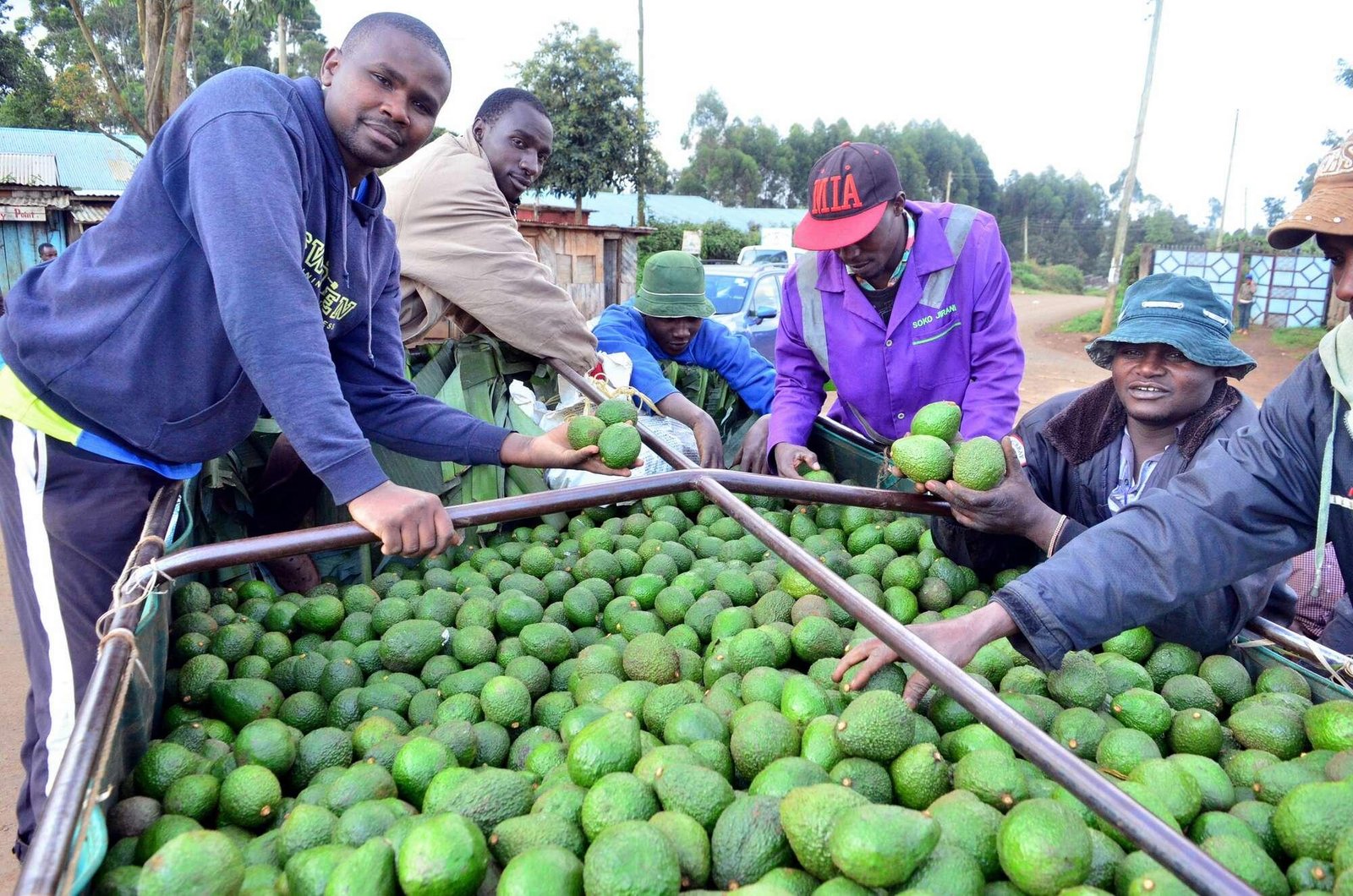

Kenya agricultural exports to China are entering a transformative phase following a landmark policy shift that will eliminate tariffs on a wide range of products starting May 1. The announcement, made by Mutahi Kagwe after high-level talks with Guo Haiyan in Nairobi, signals a strategic deepening of trade ties between Kenya and China. For Kenyan farmers and agribusiness players, the removal of import duties across key categories could redefine export competitiveness in one of the world’s largest consumer markets.
The policy shift comes at a time when Kenya agricultural exports to China have already been gaining traction, driven by rising demand for premium African produce. Analysts suggest that the duty-free framework could significantly accelerate export volumes, strengthen foreign exchange inflows, and position Kenya as a dominant horticultural supplier in Asia.
Kenya Agricultural Exports to China Gain Competitive Edge with Zero Tariffs
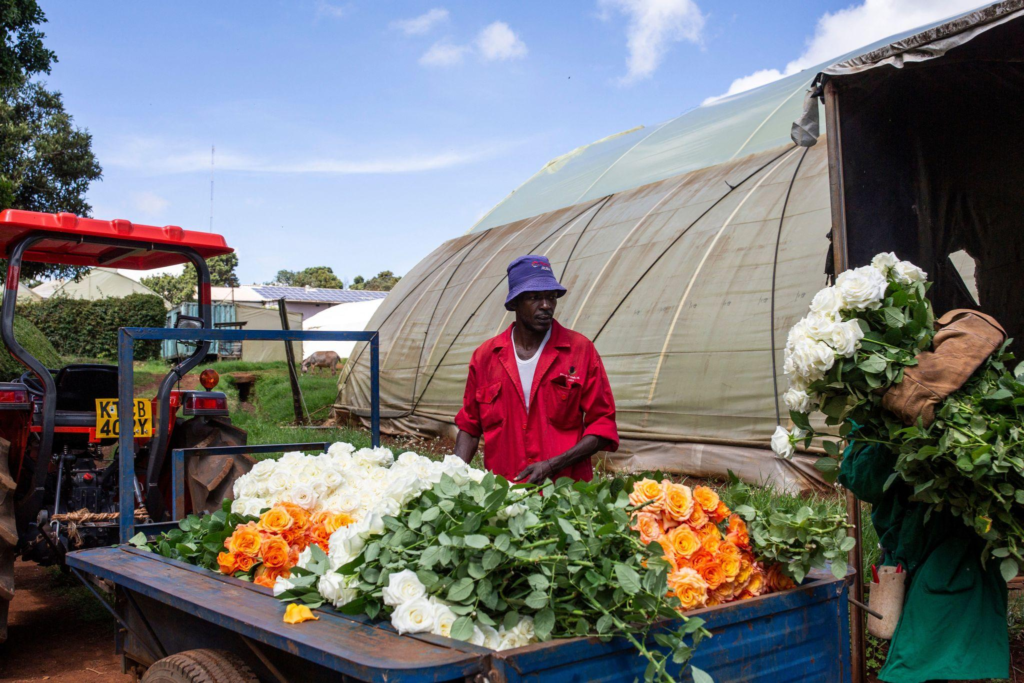
The new framework allows a broad portfolio of Kenyan agricultural products to enter China duty-free, including fresh and frozen avocados, macadamia nuts, cut flowers, vegetables, herbs, and other high-value horticultural goods. Previously, these exports were subject to varying tariff rates depending on product classification, creating cost barriers that limited scale and price competitiveness.
By eliminating these tariffs, Kenya agricultural exports to China gain a decisive pricing advantage against global competitors. This is particularly critical in segments like avocados and macadamia nuts, where international demand is rapidly expanding but remains highly price-sensitive. Exporters are now expected to leverage this cost advantage to secure larger market shares and establish long-term supply contracts with Chinese distributors.
Trade data underscores the growing importance of this corridor. Kenya’s coffee and tea exports to China reached $24 million last year, accounting for 10.8 percent of total agricultural exports to the Chinese market, with an annual growth rate of 8.8 percent. Meanwhile, shipments of fresh and frozen avocados and macadamia nuts totaled $20 million, representing 8.8 percent of agricultural exports. With tariffs removed, these figures are expected to rise sharply as exporters scale operations to meet anticipated demand.
Industry observers note that the duty-free policy could also catalyze investment across the agricultural value chain, from cold storage, and logistics to processing and packaging. This would not only boost export volumes but also enhance value addition within Kenya’s domestic economy.
Quality Standards and Market Access Define Next Phase of Growth
While the duty-free access marks a major breakthrough, sustaining growth in Kenya agricultural exports to China will depend heavily on compliance with strict quality and phytosanitary standards. Kagwe emphasized the need for regulatory agencies and farmers to maintain high production standards to meet China’s import requirements, a factor that could determine long-term market access.
China’s ambassador to Kenya highlighted that Kenyan agricultural products are gaining increasing recognition among Chinese consumers, reflecting improvements in quality and branding. However, maintaining this momentum will require consistent adherence to safety standards, traceability systems, and export certification protocols.
You Might Also Like: Investment Boom Debate: Why Africa’s Growth Surge Risks Missing Inclusive Impact Without Bold Strategy
The broader context reinforces Kenya’s rising agricultural influence. According to the 2025 edition of the Africa Agricultural Trade Monitor, Kenya ranks as Africa’s third-largest net exporter of agricultural products, behind South Africa and Côte d’Ivoire. The new trade arrangement with China could further strengthen this position, particularly as global supply chains shift toward diversified sourcing.
For investors and policymakers, the implications are substantial. Increased export earnings could support currency stability, improve rural incomes, and drive job creation across farming communities. At the same time, the policy aligns with Kenya’s broader strategy to expand into high-growth international markets and reduce reliance on traditional export destinations.
As Kenya agricultural exports to China move into this new duty-free era, the opportunity is clear—but so is the challenge. The next phase will not be defined solely by access, but by the country’s ability to scale sustainably, maintain quality, and compete in an increasingly demanding global marketplace.
Related Posts


Previous Post
Next Post