Now Reading: KOKO Networks Shutdown Implications for Kenya’s Clean Cooking Market
-
01
KOKO Networks Shutdown Implications for Kenya’s Clean Cooking Market

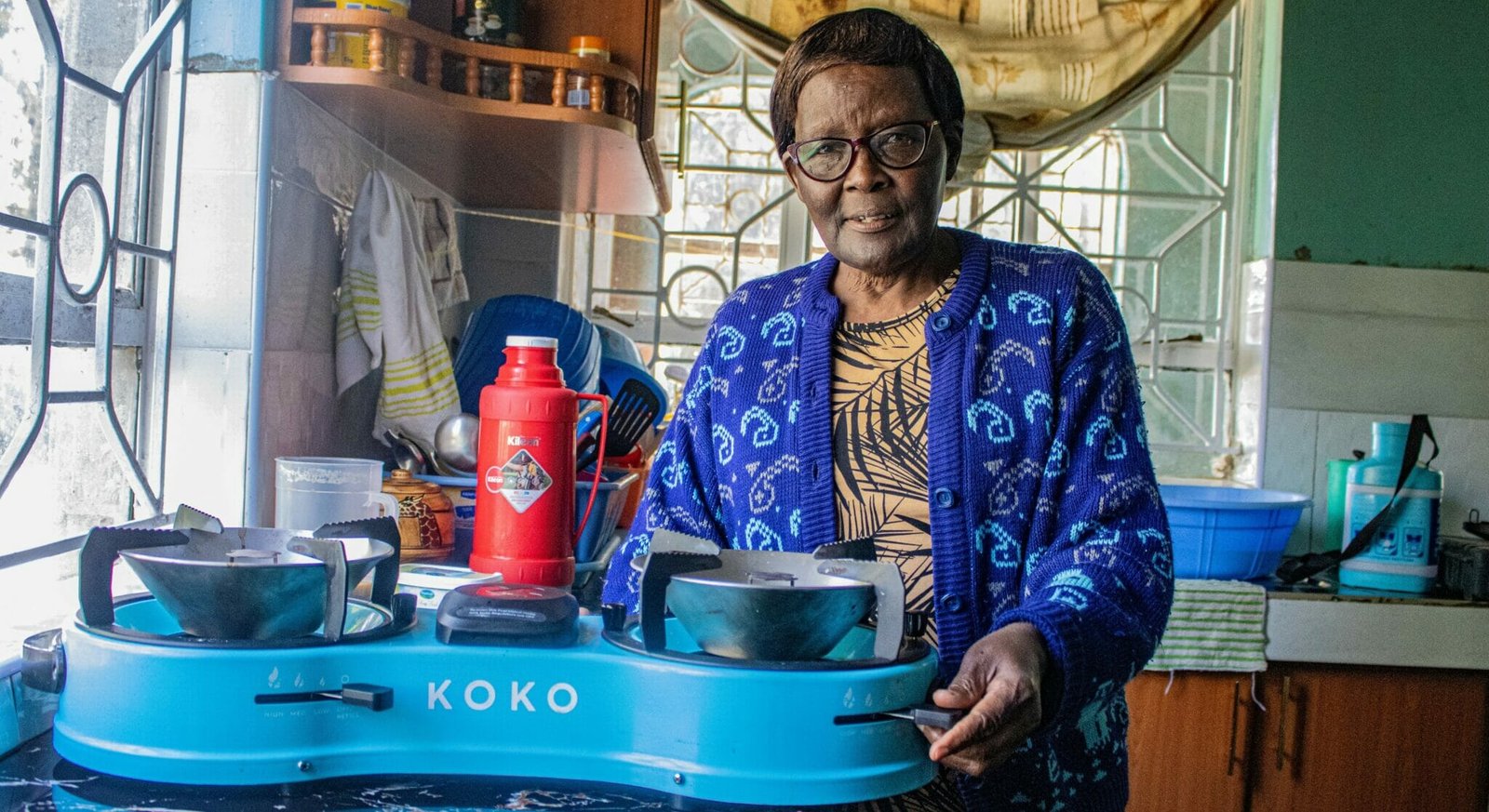


KOKO Networks shutdown on Friday jolted Kenya’s clean cooking sector, cutting off fuel access for millions of households, eliminating hundreds of jobs, and raising wider economic concerns after a dispute with the government over carbon credit approvals forced the company to close.
Founded in 2013, KOKO Networks built a nationwide distribution system supplying bioethanol fuel and cookstoves to low-income households at subsidised prices. The company’s model depended on selling carbon credits generated when households shifted from charcoal and kerosene to cleaner-burning ethanol.
That system unravelled after the government declined to issue a mandatory Letter of Authorisation required for the sale of those credits on international markets. Without access to carbon revenue, management concluded the business could not remain solvent, triggering an immediate shutdown.
The closure affects more than 700 direct employees, including engineers, logistics staff, and customer service teams. Thousands of agents who operated KOKO’s more than 3,000 automated fuel dispensing machines across urban and peri-urban areas have also lost income.
Economic and Household Impact
Beyond households, the exit carries broader economic implications. KOKO had raised over US$100 million in debt and equity from international investors and, in 2024, secured a US$179.6 million political risk guarantee from the World Bank’s Multilateral Investment Guarantee Agency to support expansion. Its collapse highlights the risks investors face when climate-focused businesses depend on regulatory approvals that can be delayed or withdrawn.
Moreover, The shutdown also disrupts a significant informal retail ecosystem that had grown around KOKO’s operations. Thousands of small shopkeepers hosted the company’s automated fuel dispensing machines, earning commissions that supplemented already thin margins. For many neighbourhood dukas, the machines generated steady daily foot traffic, benefiting adjacent sales.
The KOKO Networks shutdown disrupts access to clean cooking fuel for an estimated 1.5 million households, which rely on ethanol as a cheaper alternative to charcoal. Energy analysts warn that many users may revert to using charcoal or kerosene, which could increase household spending and exposure to indoor air pollution. From a consumer perspective, the pricing gap left behind can be substantial with disproportionate effects. For instance, the impact is likely to be felt most sharply in informal settlements, where fuel costs account for a large share of daily cash spending.
The shutdown also raises questions for Kenya’s clean energy strategy. Charcoal remains a leading driver of deforestation, while indoor air pollution contributes to respiratory illness, particularly among women and children. Furthermore, a large-scale return to traditional fuels could undermine the recent environmental and public health gains.
Besides, the closure carries fiscal and balance-of-payments implications. Kenya has positioned carbon markets as a source of foreign exchange and private climate finance, with clean cooking projects among the most scalable opportunities. KOKO’s exit weakens that pipeline, potentially reducing future inflows tied to emissions reductions and slowing progress toward national climate targets embedded in Kenya’s long-term development plans.
As Kenya positions itself as a regional hub for climate finance and green investment, the KOKO Networks shutdown underscores the economic stakes of policy clarity in emerging carbon markets.

Previous Post
Next Post