Now Reading: Google’s Bold Rejection of Kenya Censorship Requests Signals Transparency Tension
-
01
Google’s Bold Rejection of Kenya Censorship Requests Signals Transparency Tension
Google’s Bold Rejection of Kenya Censorship Requests Signals Transparency Tension



Google Kenya censorship requests are drawing renewed scrutiny after new transparency data revealed that the tech giant rejected 61 percent of content removal demands made by Kenyan authorities. The figures, published in Google’s latest transparency disclosures, highlight growing friction between global tech platforms and governments seeking tighter control over online content. The data shows that Kenya submitted dozens of requests seeking the removal of content from Google platforms, including Search and YouTube. However, more than half of those demands did not meet Google’s internal standards for policy or legal compliance, leading to outright rejection. The development underscores the delicate balance between national regulation, freedom of expression, and platform governance.
Rising Google Kenya censorship requests reflect regulatory pressure
According to the transparency data, Kenyan authorities cited a range of reasons for seeking content removal, including defamation, national security concerns, and alleged violations of local laws. However, Google evaluates such requests against its own community guidelines and international legal frameworks before acting. In several cases, Google either rejected the request entirely or limited the scope of removal to specific jurisdictions rather than deleting content globally. The 61 percent rejection rate suggests that a significant number of requests failed to provide sufficient legal justification or conflicted with the company’s policies on free expression.
Digital governance experts argue that the figures reflect a broader global trend. Governments worldwide are increasingly pressuring technology companies to police online speech more aggressively. Kenya is no exception, particularly as social media platforms become central to political discourse, activism, and public accountability.
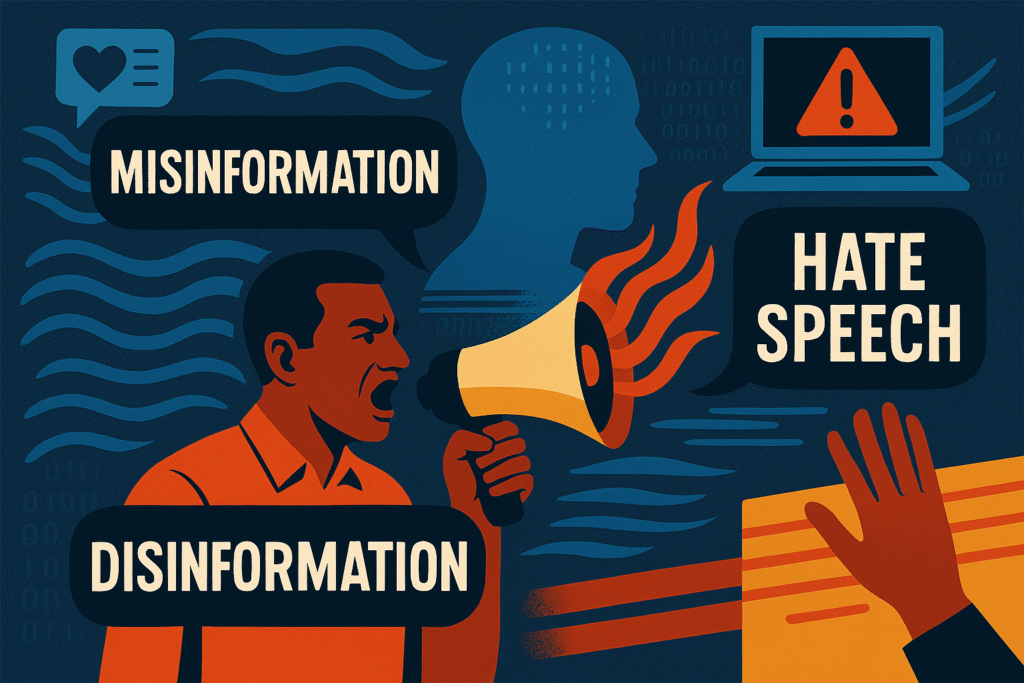
“Transparency reports are critical because they show where state authority ends and platform policy begins,” said a Nairobi-based digital policy analyst. “A high rejection rate may indicate either overreach by authorities or strong safeguards by platforms — and sometimes both.” Kenya has in recent years tightened its scrutiny of digital platforms, especially around election periods and sensitive political events. Authorities argue that online misinformation, hate speech, and harmful content require firm regulatory responses. However, civil society groups caution that vague or broad takedown requests can undermine constitutional protections for free speech.
What Google Kenya censorship requests mean for digital freedom
The rejection of 61 percent of Google Kenya censorship requests signals that global tech firms are not automatically complying with state directives. Instead, they are applying internal review processes that consider legal validity, human rights standards, and company policies. This dynamic raises important questions about digital sovereignty. While governments maintain the right to enforce local laws, multinational platforms operate across jurisdictions and often rely on international human rights principles to guide content decisions. The result is an evolving power balance between regulators and technology companies.
Read Also: Why Electric Buses Are Becoming Profitable Transport Assets
For Kenya’s digital economy, the implications are significant. The country positions itself as a regional technology hub, with a vibrant startup ecosystem and growing foreign investment in digital infrastructure. How authorities engage with global platforms may influence investor confidence and perceptions of regulatory predictability. At the same time, the transparency data highlights the need for clearer legal frameworks governing online content. Ambiguity in takedown standards can create friction, delays, and reputational risks for both regulators and companies.
Google’s stance does not mean that content is never removed. The company continues to comply with requests that meet legal and policy thresholds. However, the 61 percent rejection rate demonstrates that not all government demands translate into action. As Kenya navigates the intersection of digital growth and regulatory oversight, Google Kenya censorship requests will likely remain a focal point in debates over online rights, accountability, and state authority.
Previous Post
Next Post