Now Reading: Africa’s Next Economic Boom Will Be Boring
-
01
Africa’s Next Economic Boom Will Be Boring

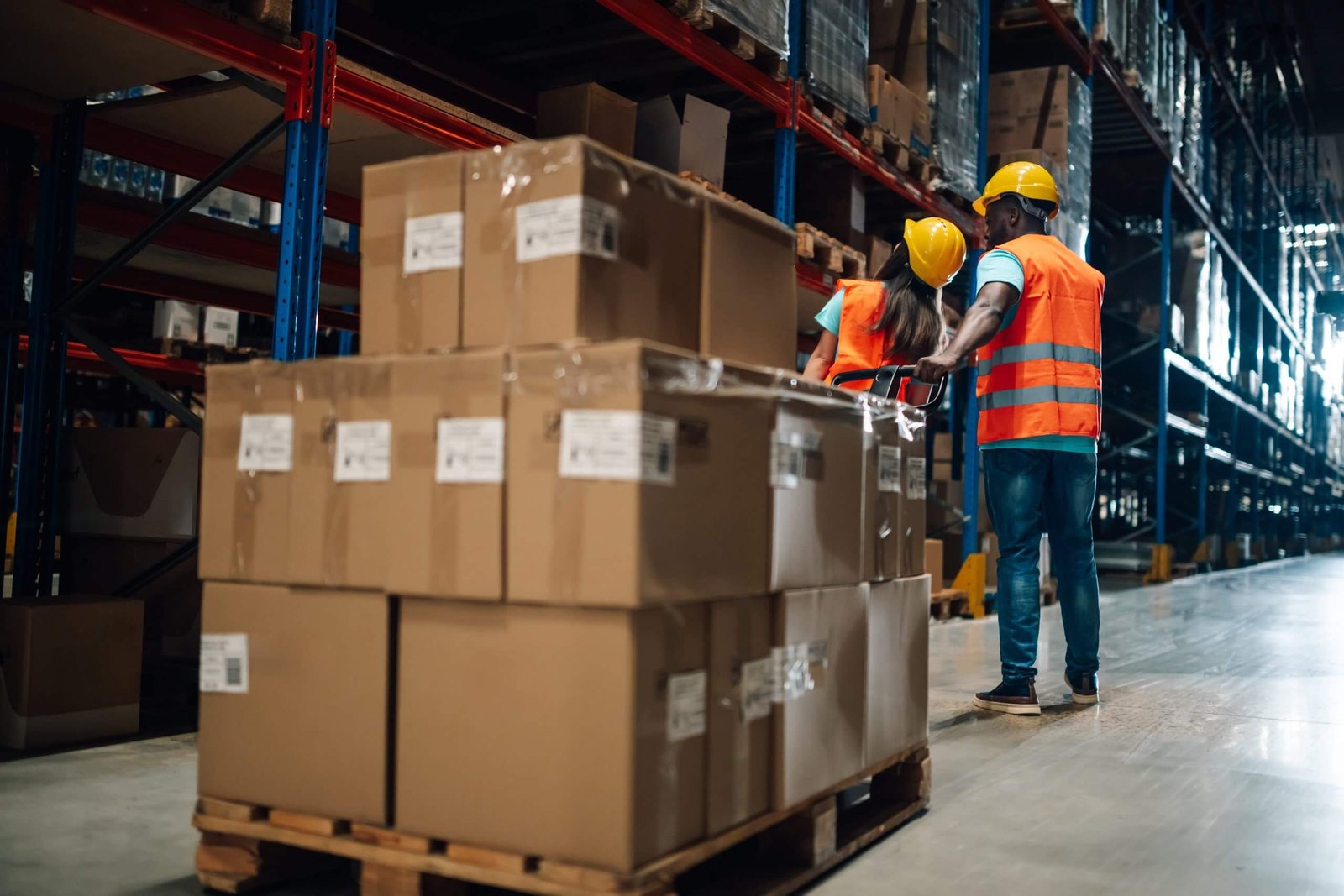

Why Logistics, Warehousing, and Compliance Will Outperform Fintech Hype

Africa’s fintech story is impressive — mobile money platforms like M‑Pesa transformed East Africa; digital lending apps promised financial inclusion; crypto evangelists talk about borderless money. But as exciting as these innovations are, fintech’s current growth is bumping into hard limits: regulation, interoperability, default risk, and a lack of deep institutional adoption.
So here’s the central question: Can fintech alone build thousands of sustainable jobs and move billions in goods across the continent — or just billions in dollars through apps?
A growing chorus of economists, investors, and industry leaders now believes the real engine of Africa’s next boom is much more unglamorous: logistics, warehousing, and compliance infrastructure — the systems that make trade real and reliable.
The Ground Reality: Goods, Not Just Digital Cash, Drive Economies
Goods still drive economies. Intra‑Africa trade, currently around ~17% of total African trade, is lower than in Asia (~59%) and Europe (~69%). Why? Poor transport networks, customs delays, lack of standardized compliance systems, and expensive warehousing.
While fintech improves payments, it doesn’t move goods through borders, organize inventory, or ensure products meet regulatory standards. That’s where logistics and compliance step in — and where consistent economic value is created.
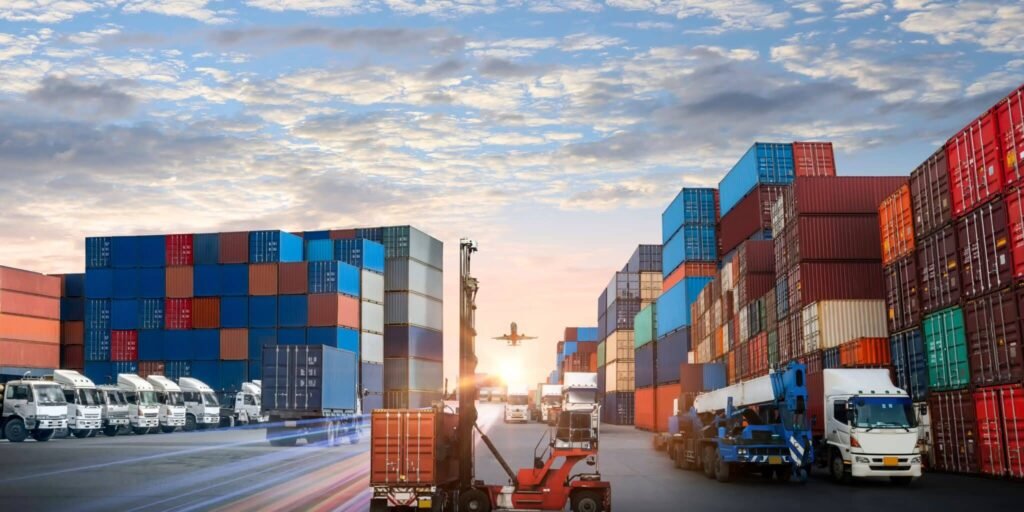
Logistics: The Invisible Growth Engine
Logistics isn’t sexy in a pitch deck, but it’s essential in the real world. Efficient movement of goods reduces costs for every sector: agriculture, manufacturing, retail, and export services.
Studies show that improving logistics performance can increase GDP growth by 0.5%–1% annually.² Africa has some of the highest transportation costs globally — up to $3.50 per ton per kilometer, compared to less than $0.50 in developed markets.³ Reducing this gap unlocks massive value. Imagine goods crossing borders in hours instead of days, or affordable cold‑chain networks transforming agricultural exports from Nigeria to North Africa.
Warehousing: From Cold Chains to E‑Commerce Fulfillment
Warehouses are no longer just storage sheds — they are technology hubs. Modern warehousing uses sensors, automation, and data analytics to minimize spoilage, optimize inventory, and ensure goods reach consumers faster.
Take cold‑chain infrastructure: Africa loses an estimated 30–40% of perishable foods due to inadequate storage and transport.⁴ Building cold storage isn’t glamorous, but it creates a direct link between farmers and markets, increases farmer incomes, and reduces food waste.
E‑commerce, which grew by over 20% annually before 2025, cannot scale without fulfillment centers and last‑mile networks. Logistics enable online marketplaces to serve customers reliably — and that reliability fuels repeat business.

Compliance: The Silent Catalyst for Trade
Regulations exist for a reason: safety, quality, fairness. But fragmented compliance systems — different standards in every country — make it hard for businesses to scale.
Africa’s implementation of the African Continental Free Trade Area (AfCFTA) framework offers a rare opportunity to harmonize standards. Efficient compliance platforms that digitize certification, customs clearance, and quality verification can slash delays and corruption. Imagine a farmer in Ghana exporting cocoa to Morocco without paperwork bottlenecks. That’s not fantasy — that’s logistics and compliance working together.
Also Read: Why Kenya Must Turn Creative Talent into Economic Power
Africa’s Logistics Startups Are Scaling — Slowly but Steadily
Startups in Africa are innovating logistics: digital freight marketplaces, warehouse-as-a-service platforms, and compliance software solutions. Funding is increasing: in 2025, logistics and supply‑chain ventures accounted for approximately 15% of Africa’s total tech investment, up from 7% in 2020.⁵ This growth isn’t hype — it’s rooted in real revenue and measurable cost savings.
Jobs and Skills: More Stability Than Speculation
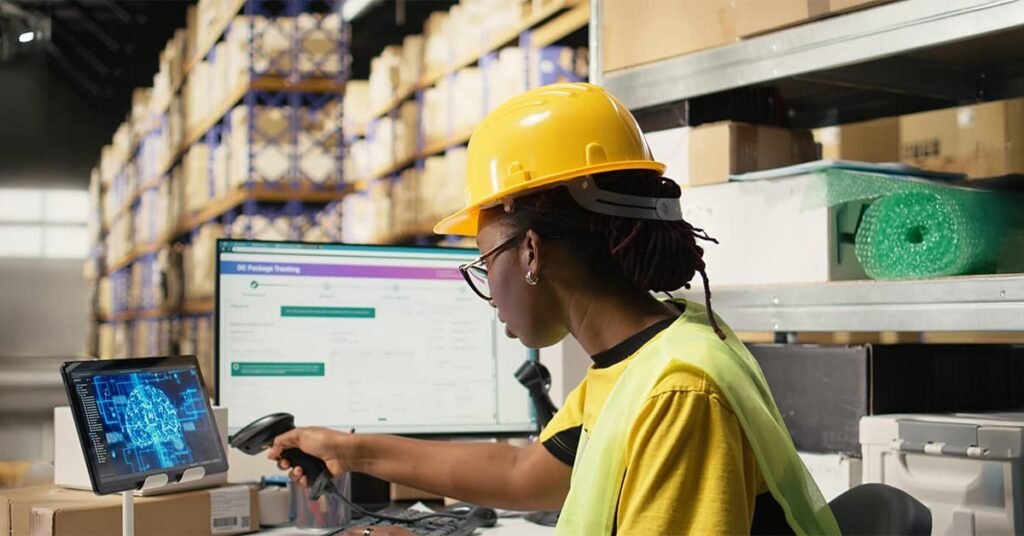
Fintech can create high‑skilled tech jobs, but logistics and warehousing employ a broader workforce: drivers, warehouse managers, compliance officers, data analysts, customs brokers, and supply‑chain planners — all essential for functioning economies. When logistics operate efficiently, every informal trader, farmer, and small manufacturer benefits.
Also Read: Kenya’s digital future depends on delivery, not abstract visions
Challenges Remain — But So Do Opportunities
Infrastructure needs financing, governments must streamline regulation, and data systems need integration. But these challenges are solvable — because they are practical, measurable, and essential. If Africa wants to turn ambitions into tangible economic growth, it must recognize that value isn’t only created in screens — it is built on roads, in warehouses, and through systems that ensure goods reach markets smoothly and legally.
Embrace the Boring to Build the Boom
Fintech will continue to be exciting — it has transformed financial access. But the next phase of Africa’s economic expansion won’t be defined by flashy apps alone. It will be built in the trenches: in logistics yards, compliance platforms, bonded warehouses, and border checkpoints made efficient. Because real economies don’t move on hype — they move on goods.
Previous Post
Next Post