Now Reading: Africa Doubles Down on Foreign Oil and Gas Investments as Libya Taps Chevron and Eni
-
01
Africa Doubles Down on Foreign Oil and Gas Investments as Libya Taps Chevron and Eni
Africa Doubles Down on Foreign Oil and Gas Investments as Libya Taps Chevron and Eni

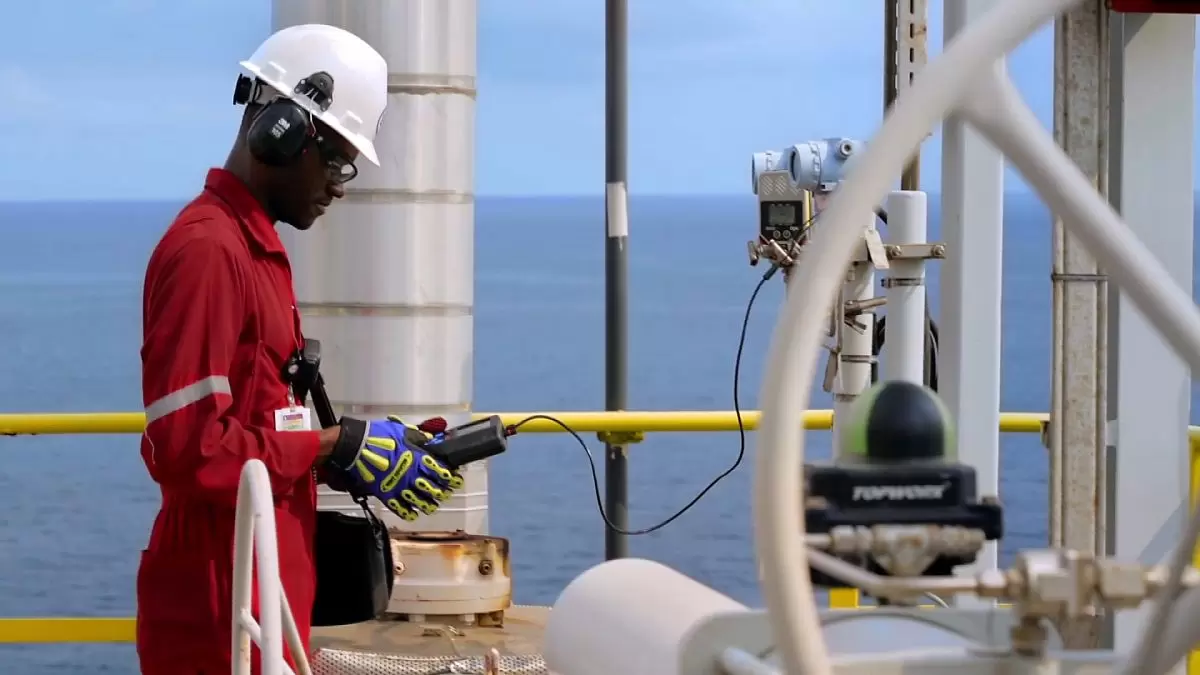

Africa is intensifying efforts to attract foreign investment into its vast oil and natural gas reserves, with Libya’s recent licensing round serving as the latest catalyst.
Projections indicate upstream investments could reach $41 billion by 2026, driven by offshore projects in key producers such as Nigeria, Angola, and Libya.
Libya Leads the Charge with Rare Foreign Investors Deal
On February 11, 2026, Libya’s National Oil Corporation (NOC) awarded exploration blocks to the international firms: Chevron, Eni, QatarEnergy, Repsol, and Nigeria’s Aiteo in its first bidding round since 2007.
Chevron won the onshore Sirte S4 license in the oil-rich Sirte Basin. This area has seen recent oil finds and marks the U.S. company’s return after leaving in 2010.
Eni North Africa teamed up with QatarEnergy for Offshore Area 01 in the gas-rich Mediterranean part of the Sirte Basin. Repsol also led groups with BP, MOL Group, and Turkey’s TPAO to win Offshore Area 07 and onshore C3.
Nigeria’s Aiteo, Africa’s biggest privately owned energy company, got the southern Murzuq M1 block. This shows more African firms joining in.
The move comes after a major January deal worth over $20 billion, where TotalEnergies and ConocoPhillips signed a 25-year agreement to exploit the Waha fields. It aims to add 850,000 barrels per day to Libya’s current output of 1.4 million barrels per day.
The country is now courting investors through investor-friendly, production-sharing contracts, ditching rigid terms that scared off majors post-2011 Gaddafi fall.
Libya leads Africa with the largest oil reserves on the continent at 48 billion barrels and is targeting 2 million bpd by 2030.
The country also resumed its gas pipelines to Europe, crucial at a time when buyers are seeking non-Russian supplies.
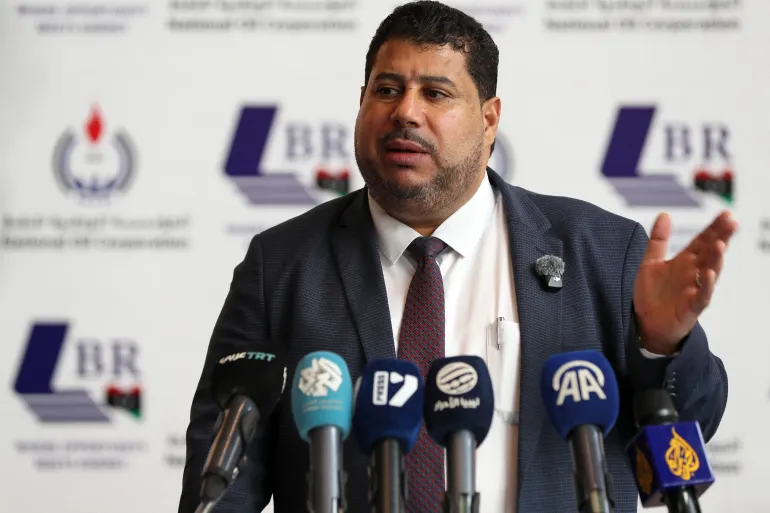
Acting NOC chairman Masoud Suleiman Musa hailed the event as a “return of trust” after 17 years marred by civil strife, political splits between Tripoli and the east, and frequent oil field shutdowns.
Nigeria’s Gas and Oil Licensing Boom
Nigeria, Africa’s largest oil producer, is leading the push for more foreign investment in oil and gas.
In 2025, the country awarded over 12 deepwater blocks to companies like ExxonMobil and Eni. It also plans a big licensing round in 2026 for 50 more oil blocks.
The Petroleum Industry Act has made tax and contract rules simpler, attracting $5.3 billion in spending last year. The “Decade of Gas” program focuses on growing LNG exports, with Train 7 at Nigeria LNG almost finished.
However, government policies and drives in Nigeria continue to encourage local ownership and investments, exemplified by recent deals such as the purchase of OML 39 by Renaissance for $112 million.
Southern Africa Gas and Oil Investments Surge
Southern Africa is seeing a major push in oil and gas investments, with Angola leading the way thanks to its large proven reserves and stable government.
Experts predict $7 billion in investments for Angola in 2026. Key projects include TotalEnergies’ CLOV Phase 3 expansion and ExxonMobil’s work in deepwater areas.
Namibia’s Orange Basin has become a hotspot since big discoveries in 2022. Companies like Shell, QatarEnergy, and Galp are racing to explore sites that could hold 20 billion barrels of oil.
Mozambique is moving ahead with its Rovuma LNG project, led by ExxonMobil and Eni, even with security challenges from insurgents.
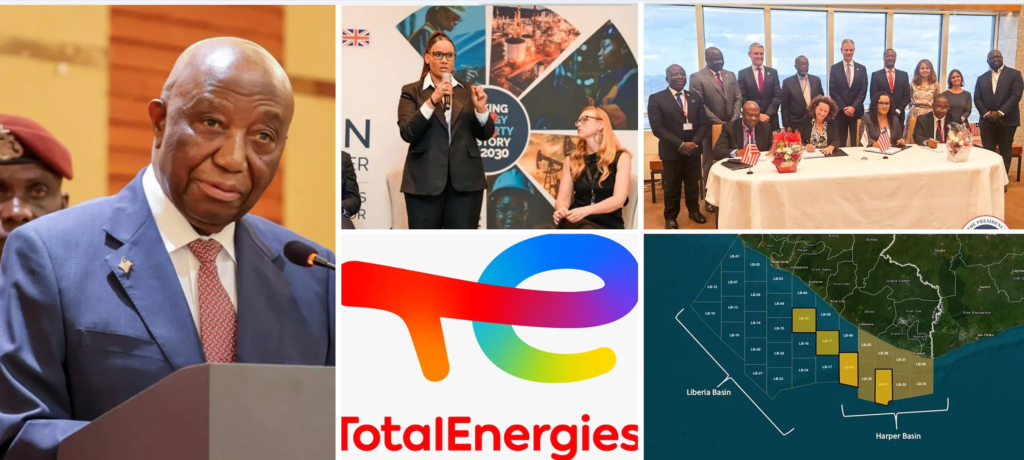
Liberia is targeting $800 million from eight new offshore deals with TotalEnergies and Oranto Petroleum in blocks LB-6 to LB-29. These oil agreements pair well with growing mining investments to help restart the economy.
East Africa as an Emerging Player
East Africa is opening up to foreign investors eager to tap into its promising oil and gas sector.
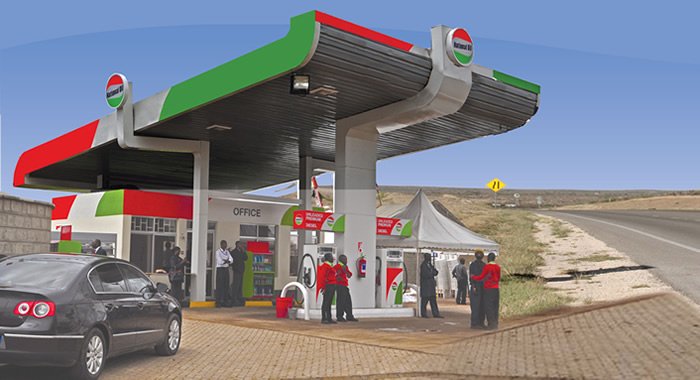
In Kenya, Chinese companies like CNPC are targeting new blocks under the 2019 Energy Act. Meanwhile, Tullow Oil, TotalEnergies, and Africa Oil are pushing forward with the South Lokichar field, which holds 550 million barrels of oil.
They aim to produce 120,000 barrels per day by piping it to Lamu Port. Gulf Energy also plans a $6 billion project in Turkana for first oil by December 2026.
Tanzania is pursuing big LNG projects, while Uganda’s Tilenga and EACOP developments show the region moving from exploration to actual production.
What Drives It, Risks, and What’s at Stake
Africa’s push for oil and gas investment funnels $41 billion into eight key areas in 2026. Nigeria and Angola take the biggest share at 60 per cent.
Big foreign companies hold 70 per cent of projects. They bring advanced technology. Local firms like Aiteo gain ground through partnerships and buyouts. This builds more African control.
Gas and LNG projects lead the way. They target buyers in Europe and Asia after the Ukraine war cut Russian supplies. Libya’s sea blocks and Nigeria’s exports play key roles.
Experts praise smart policy changes. Libya offers flexible contracts. Nigeria passed the Petroleum Industry Act. Angola stays politically steady.
But dangers remain. Libya’s east-west fights often shut down oil fields. Violence in Mozambique slows drilling. Oil price changes and global green energy pressure add uncertainty.
The document notes tough competition. Tullow Oil found oil in Kenya’s Lokichar area but dry wells elsewhere. This shows the risks of exploration. China pushes into Kenya through its Belt and Road plan. It seeks steady energy supplies, like other China-Africa energy links.
For everyday people, this brings jobs, better roads, and economic growth. But it raises questions about who controls the resources as big companies return. Liberia’s leader promises better deal terms for citizens. Kenya requires more local hiring and ownership.
On the world stage, Africa grabs 12 per cent of global oil spending. This challenges fast green energy shifts. Countries see oil and gas as a bridge to cleaner times.
NOC leader Suleiman calls it a path to prosperity. Early bids drew limited interest, but more rounds are coming. Africa’s oil and gas comeback will test if calm politics can match its rich underground resources.
Read Also: Kenya–China Trade Deal Heralds Export Boost with Zero-Duty Access – Business News
Related Posts

Previous Post
Next Post