Kenya’s ambition to turn its rare-earth wealth into an industrial advantage has gained fresh momentum after the United States offered to support local processing of minerals at Mrima Hill in Kwale.
Kenya’s ambition to turn its rare-earth wealth into an industrial advantage has gained fresh momentum after the United States offered to support local processing of minerals at Mrima Hill in Kwale.
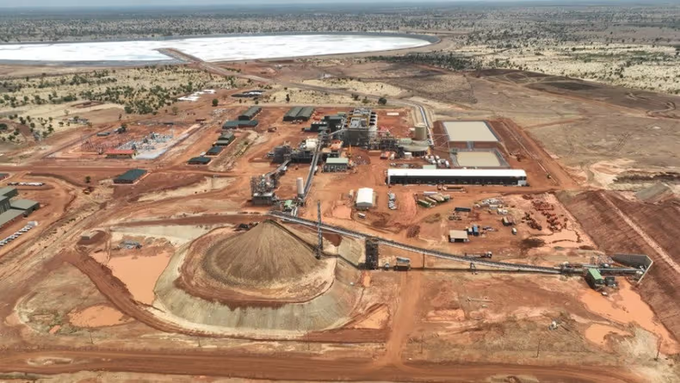
In a gazette notice dated March 24, Mining Cabinet Secretary Ali Hassan Joho invited qualified investors to submit expressions of interest to commercialise deposits of niobium and rare earth elements, minerals essential for advanced electronics, clean energy technologies, and defence systems.
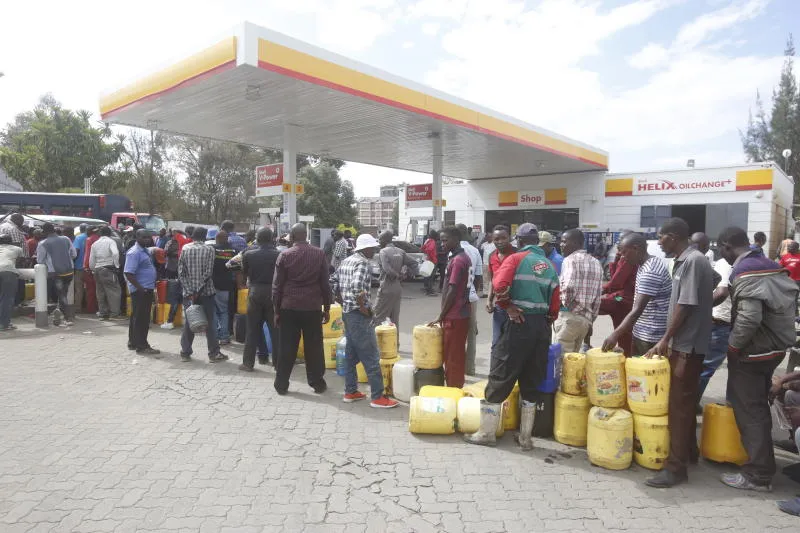
The conflict has driven a sharp rise in global fuel prices and disrupted key shipping routes, particularly through the Strait of Hormuz, exposing Africa’s heavy reliance on imported energy and its vulnerability to external shocks.

Energy Cabinet Secretary Opiyo Wandayi cautioned that firms found withholding fuel stocks in anticipation of price increases risk losing their licences, describing the practice as “commercially opportunistic” and contrary to the public interest.

According to recent rankings and business environment assessments, countries that reduce regulatory friction, improve governance, and strengthen financial systems are emerging as the most attractive destinations for capital.

The fund introduces a three-account model that separates resource revenues into distinct components: Stabilisation, Strategic Infrastructure Investment, and Future Generations, each with a specific economic role.
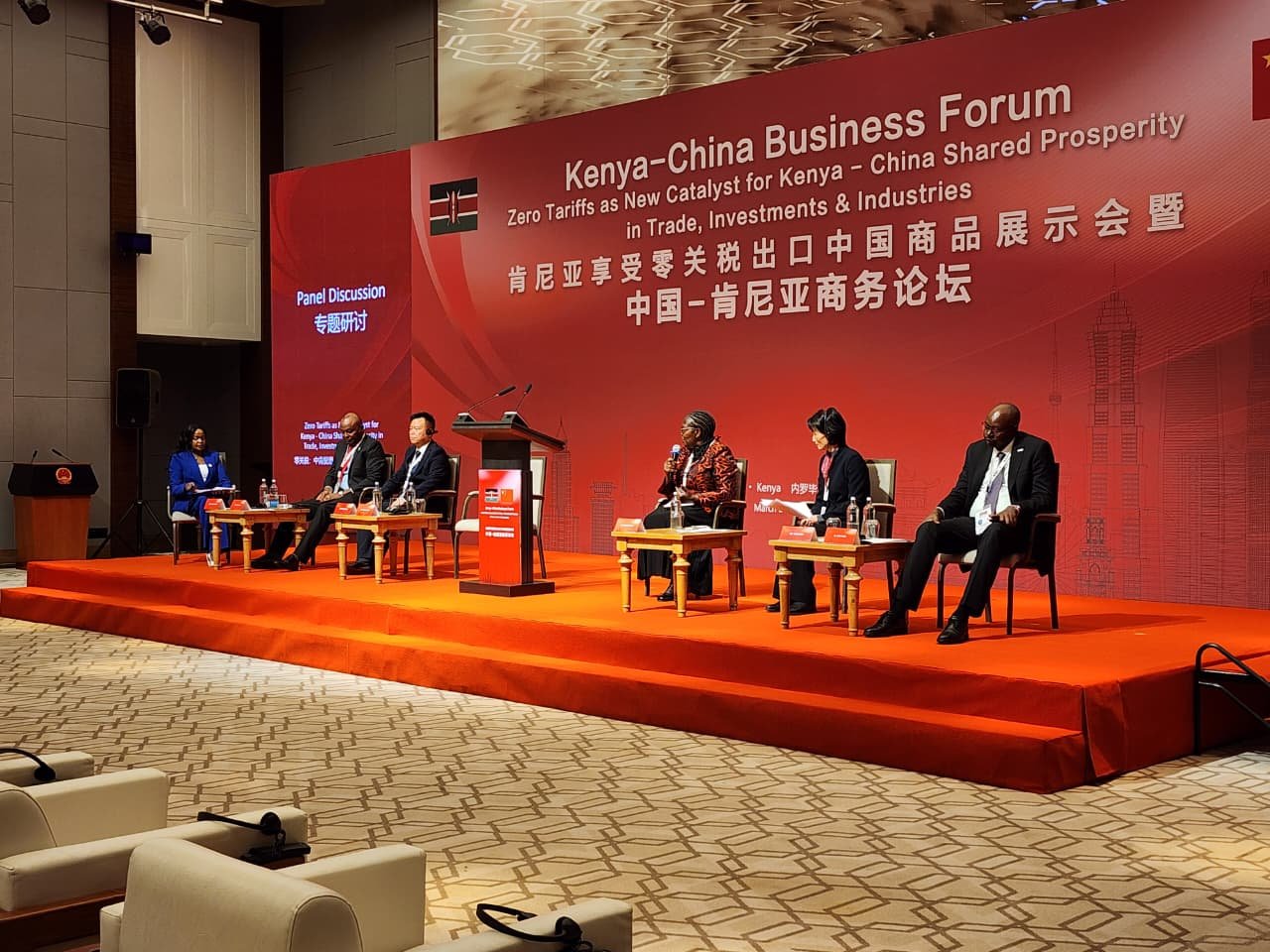
The event, jointly organised by the China Council for the Promotion of International Trade (CCPIT) and the Kenya Export Promotion and Branding Agency, highlighted the growing economic partnership between the two nations and the potential for expanded market access for Kenyan goods.
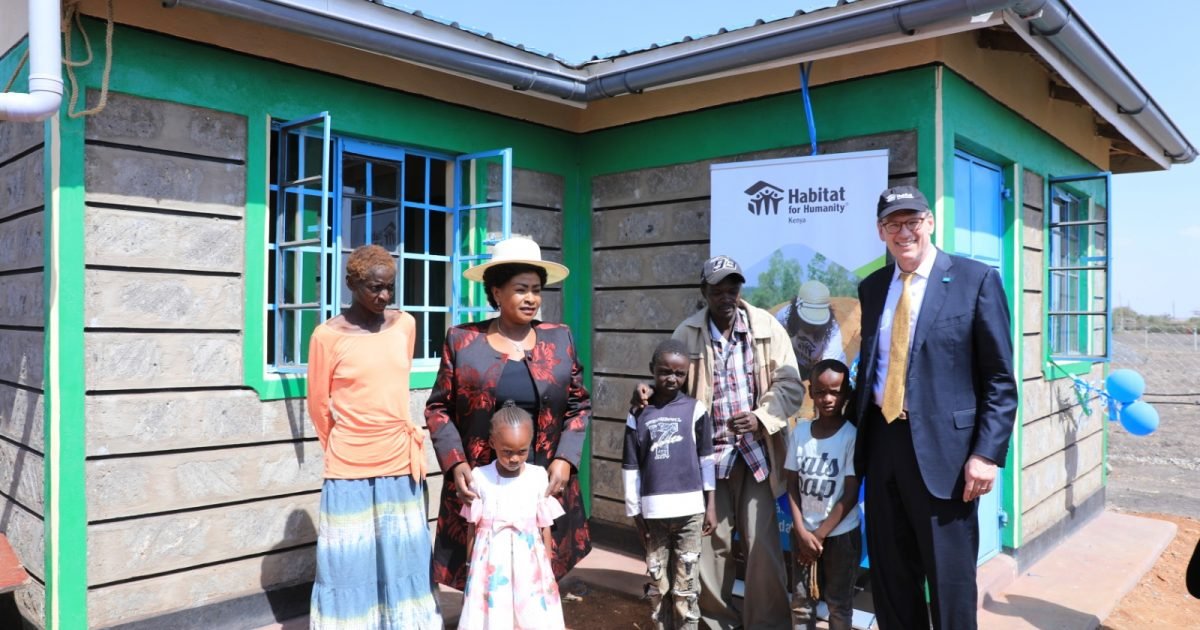
Habitat for Humanity has launched the “Let’s Open the Door” initiative, a worldwide campaign designed to raise awareness and mobilise governments, private sector players, and communities to close the growing housing gap.
The study, Nature’s Bottom Line: The Economic and Financial Costs of Ecosystem Degradation in Kenya, finds that about 44 per cent of the country’s GDP comes from sectors highly dependent on ecosystem services, including agriculture, construction and real estate.

Among the main concerns are low levels of enforcement activity, limited financial and human resources, and challenges in ensuring institutional independence. The report warns that these constraints may weaken the ability of regulators to deter anti-competitive behaviour and protect consumers effectively.