Now Reading: Uganda’s Central Bank Launches Domestic Gold Purchase Programme to Boost Reserves
-
01
Uganda’s Central Bank Launches Domestic Gold Purchase Programme to Boost Reserves
Uganda’s Central Bank Launches Domestic Gold Purchase Programme to Boost Reserves



Uganda’s central bank will begin buying gold from domestic producers this month in a move aimed at strengthening its foreign exchange reserves, as global bullion prices climb to record highs.
The programme, first unveiled two years ago, aims to bolster Uganda’s external reserve position and cushion the economy from volatility in international financial markets, according to central bank officials.
The bank looks to purchase at least 100 kilograms of gold between March and June 2026, according to Adam Mugume, the central bank’s Executive Director for Research and Economic.
“If all goes as planned, we should be able to purchase at least 100 kg of gold between March and June 2026,” Mugume said, adding that the bank is finalising agreements with local refineries to conduct fire assaying and refine the gold to the required purity standards.
Gold Prices Hit Record Highs
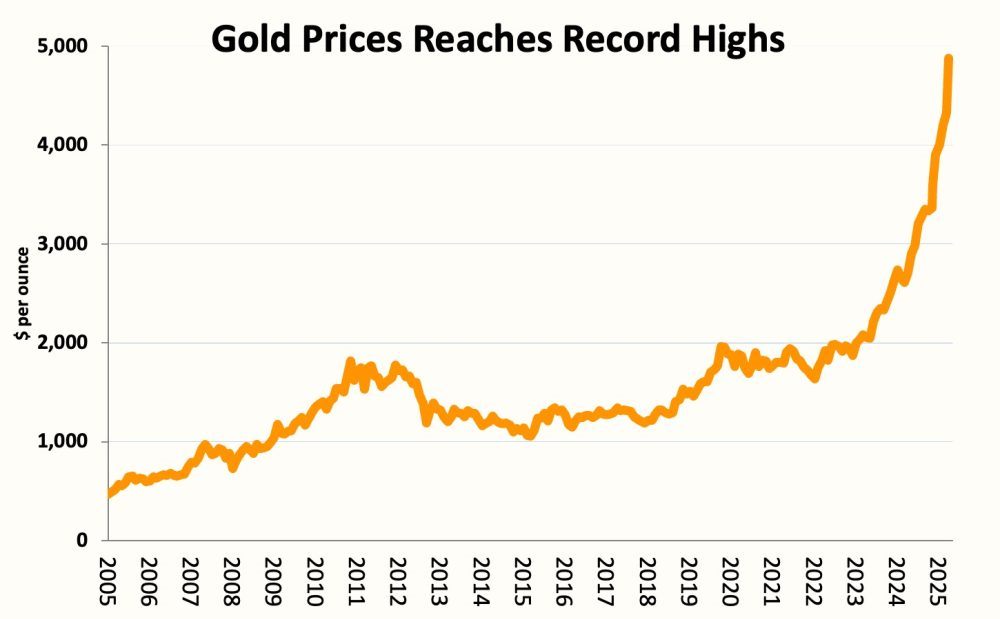
Uganda’s move comes as global gold prices have surged to historic levels. Spot gold climbed above $5,000 an ounce in 2026, reaching as high as $5,395.99 on Monday, driven by heightened geopolitical tensions and strong central bank demand.
Analysts say investor appetite for safe-haven assets has increased amid global economic uncertainty, including escalating tensions in the Middle East and concerns about inflation and currency stability.
Central banks in Kenya and the Democratic Republic of Congo have also announced plans to increase gold reserves, reflecting a broader global trend toward diversification away from traditional reserve assets such as U.S. dollars and government bonds.
The Nitty-Gritties of Uganda’s plan
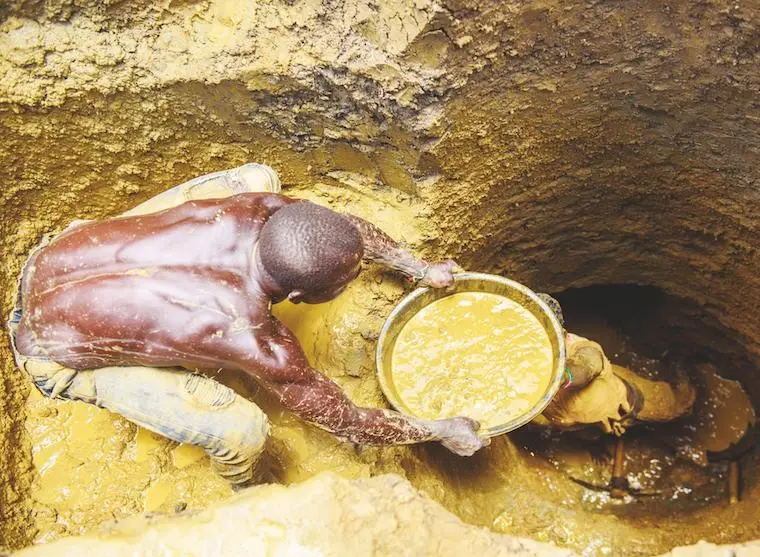
Uganda’s central bank plans to buy gold from artisanal miners as well as medium- and large-scale producers.
The country exported $5.8 billion worth of gold last year, representing a 76% increase from 2024.
Despite the export growth, much of the gold has historically left the country without being retained as part of national reserves.
By purchasing gold domestically, the central bank aims to convert part of the country’s mineral output into a strategic reserve asset rather than relying solely on foreign currency earnings.
Uganda commissioned its first large-scale gold mine in 2025. The Chinese-owned facility is projected to process 5,000 metric tons of ore per day and produce about 1.2 tons of refined gold annually.
Artisanal and small-scale miners, however, continue to account for a significant share of domestic production.
Uganda established its first bullion processor, Africa Gold Refinery, in 2017, and several additional refineries have since been set up, handling both locally mined gold and shipments from neighbouring Democratic Republic of Congo.
Managing Risks in Global Markets
The central bank says the gold-buying programme is intended to cushion the economy from external shocks, including currency fluctuations, commodity price swings and capital outflows.
Gold is widely regarded as a store of value during periods of financial stress. With global markets experiencing volatility, policymakers in emerging economies are increasingly turning to precious metals to strengthen reserve buffers.
Mugume did not indicate whether the recent surge in prices would alter Uganda’s purchasing plans.
Analysts note that while gold offers diversification benefits, the effectiveness of the strategy will depend on implementation, pricing and broader macroeconomic conditions.
Part of a Wider African Trend
Across Africa, central banks are reviewing reserve management strategies in response to rising global risks. Countries including Ghana, Nigeria and Zimbabwe have also explored or expanded gold-backed reserve initiatives.
For Uganda, the initiative may also support formalisation of the gold sector. By buying directly from licensed dealers and accredited refineries, the central bank could encourage compliance with regulatory standards and improve transparency in the supply chain.
The purchases are expected to begin within weeks, once final refinery agreements are concluded.
As gold prices continue to trade at record highs, Uganda’s entry into the bullion-buying market underscores the growing role of precious metals in national reserve management strategies, particularly among emerging economies seeking greater financial resilience.

Previous Post
Next Post