Now Reading: Electric Motorcycles Transform Last-Mile Delivery in Kenya
-
01
Electric Motorcycles Transform Last-Mile Delivery in Kenya
Electric Motorcycles Transform Last-Mile Delivery in Kenya

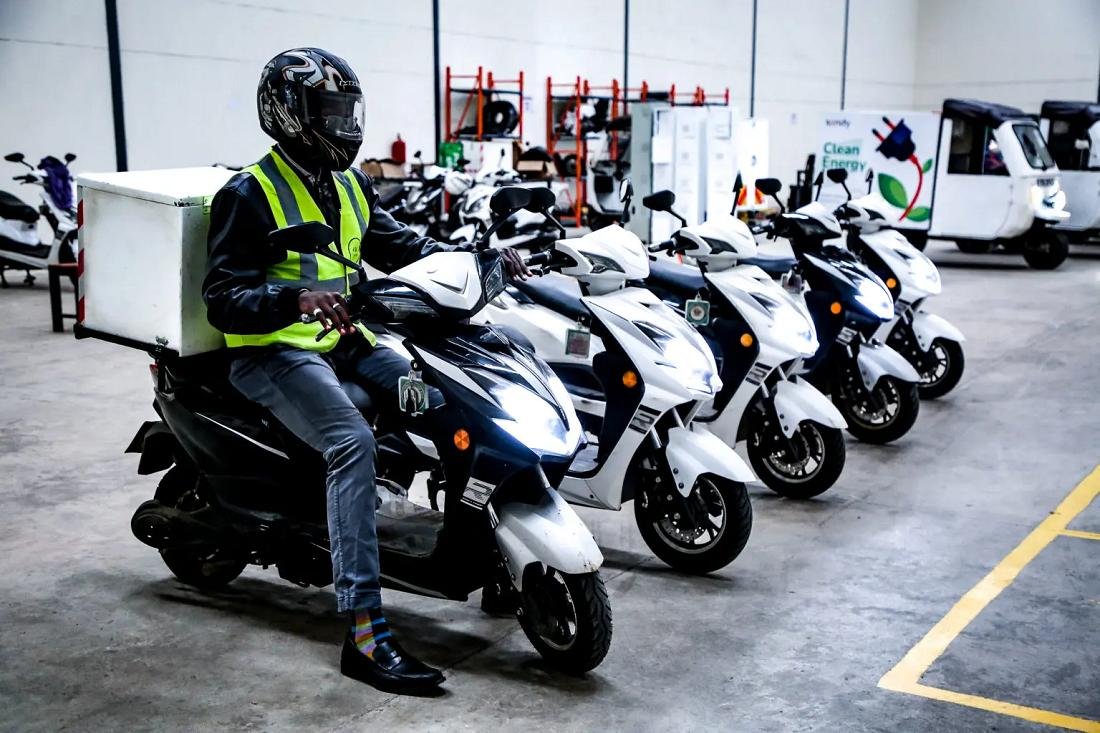

The electric logistics boom in Kenya is rapidly transforming the economics of last-mile delivery, with electric motorcycles emerging as a powerful solution to one of the sector’s biggest challenges: rising fuel costs. Across cities like Nairobi and Mombasa, logistics operators are increasingly shifting from petrol-powered bikes to electric alternatives—not just for environmental reasons, but for clear financial advantages. As e-commerce and on-demand delivery services continue to expand, the pressure to maintain profitability has pushed companies to rethink their cost structures. The electric logistics boom reflects this shift, where energy efficiency, operational savings, and system reliability are becoming central to competitive strategy.
At its core, this transition is not about sustainability messaging—it is about unit economics. Electric motorcycles are redefining cost per kilometer, enabling logistics businesses to operate more efficiently while improving margins in a highly competitive market.
Electric Logistics Boom Driven by Cost Savings and Operational Efficiency
A major driver of the electric logistics boom in Kenya is the dramatic reduction in daily energy costs. Traditional internal combustion engine motorcycles typically require between KES 700 and 800 per day in fuel to cover standard delivery distances. In contrast, electric motorcycles can complete the same workload for approximately KES 200 in electricity. This translates to a 70–75% reduction in daily energy expenditure, a margin shift that becomes even more significant at scale.
For fleet operators managing dozens or even hundreds of riders, these savings compound quickly into substantial annual cost reductions. In an industry where margins are often tight, such efficiency gains can be the difference between profitability and loss. As a result, electric motorcycles are not just an alternative—they are becoming a strategic necessity.
Maintenance efficiency further strengthens the case for electrification. Unlike petrol engines, which rely on complex systems with numerous moving parts, electric motors are mechanically simpler and require far less upkeep. The elimination of routine oil changes, reduced component wear, and fewer breakdowns translate into lower maintenance costs and less downtime. For logistics businesses, this means more consistent operations and higher asset utilization.
Infrastructure and Innovation Accelerate Electric Logistics Boom
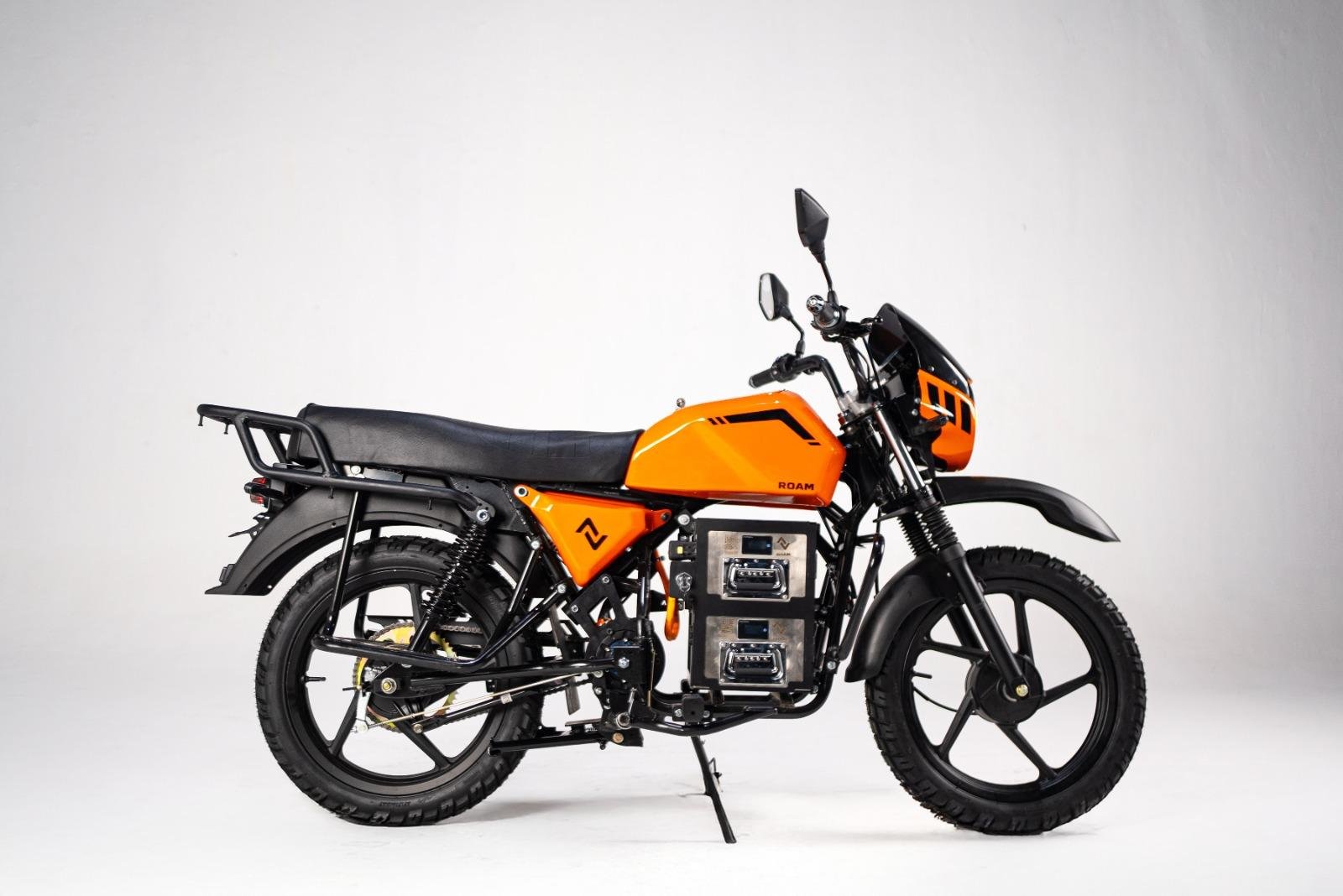
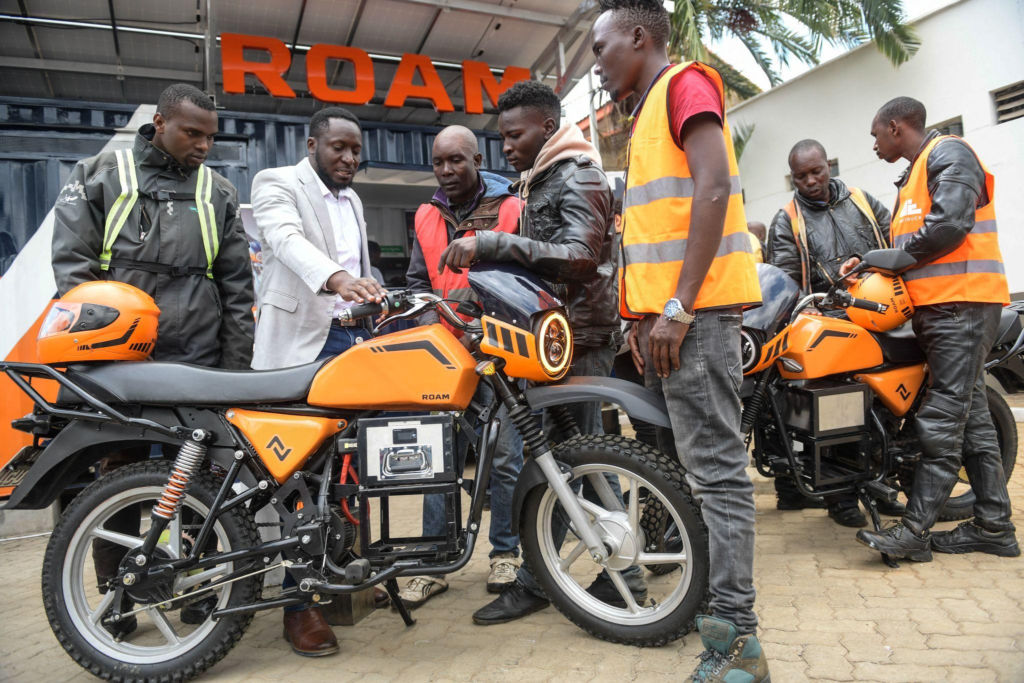
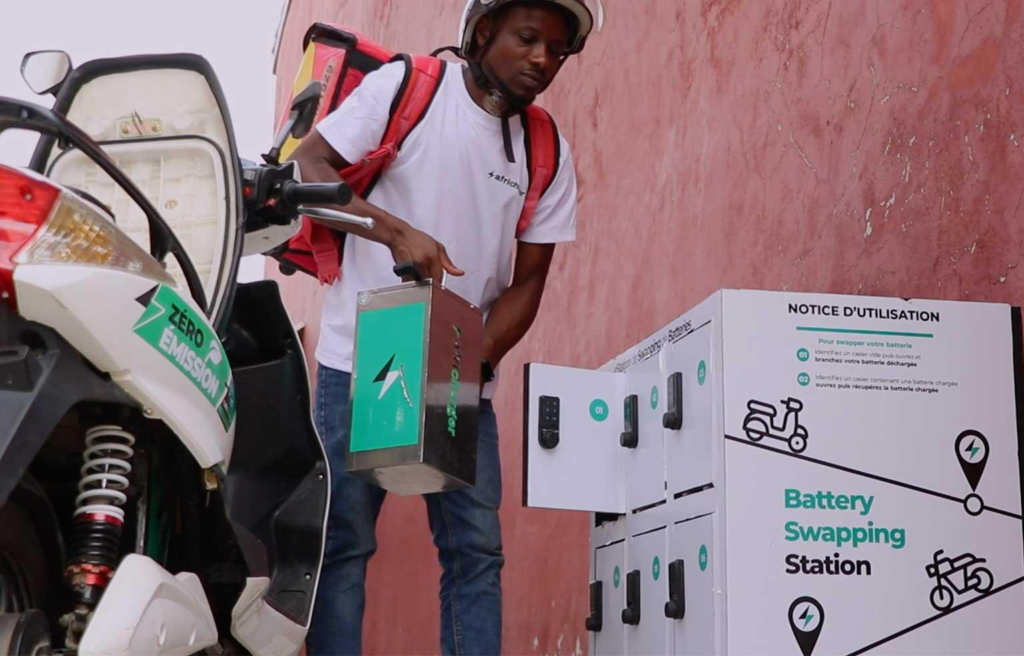
The continued growth of the electric logistics boom in Kenya is being supported by rapid advancements in infrastructure and local innovation. Companies such as Roam, Spiro, and Ampersand Energy are expanding battery-swapping networks and investing in local assembly, making electric motorcycles more accessible and practical for everyday use.
Battery swapping, in particular, is addressing one of the most significant barriers to EV adoption: charging time. Instead of waiting hours to recharge, riders can exchange depleted batteries for fully charged ones in under two minutes—often faster than refueling a petrol bike. This innovation ensures that delivery operations remain uninterrupted, maintaining the speed and reliability that customers expect.
You Might Also Like: From Lagos to Nairobi: Africa Leads the Next EV Revolution
Another important factor underpinning the electric logistics boom in Kenya is energy price stability. Kenya’s electricity grid is largely powered by renewable sources such as geothermal, wind, and hydro, providing a more stable pricing environment compared to the volatility of global oil markets. For logistics companies, this predictability enables better financial planning and more consistent margins.
The broader economic implications are substantial. Lower delivery costs can translate into reduced prices for consumers, improved earnings for riders, and increased competitiveness for businesses operating in Kenya’s growing digital economy. As the boda boda sector evolves, electric motorcycles are positioning themselves as the backbone of a more efficient and sustainable logistics ecosystem.
The electric logistics boom in Kenya ultimately represents a convergence of technology, economics, and infrastructure. It is not simply a shift in how deliveries are powered—it is a redefinition of how logistics operates at its most fundamental level. As adoption continues to scale, the question is no longer whether electric motorcycles will dominate last-mile delivery, but how quickly the transition will reshape the industry.
Related Posts
Previous Post
Next Post