Now Reading: Key Highlights of Kenya’s KSh5 Trillion National Infrastructure Fund Bill Passed by MPs
-
01
Key Highlights of Kenya’s KSh5 Trillion National Infrastructure Fund Bill Passed by MPs
Key Highlights of Kenya’s KSh5 Trillion National Infrastructure Fund Bill Passed by MPs



Kenya’s Parliament has passed the National Infrastructure Fund Bill, 2026, setting the stage for the creation of a multi-trillion-shilling financing vehicle designed to fund major national development projects.
The legislation, approved by the National Assembly of Kenya on March 5, now awaits the president’s assent before becoming law.
Once operational, the proposed National Infrastructure Fund (NIF) aims to mobilise nearly KSh5 trillion over the next decade, marking one of the most ambitious efforts to reshape how Kenya finances infrastructure.
Here are the key highlights of the bill and what it means for the country’s development agenda.
1. A Shift Away From Debt-Driven Infrastructure
One of the central goals of the bill is to reduce Kenya’s dependence on public borrowing to finance infrastructure.
Instead of relying heavily on external loans and sovereign debt, the fund will mobilise capital from private and institutional investors.
Potential funding sources include:
- Pension funds
- Sovereign wealth funds
- Collective investment schemes
- Climate finance funds
- Private sector investors
The model aims to transition Kenya’s infrastructure financing from a debt-led approach to an investment-driven framework.
2. Target: Mobilising KSh5 Trillion
The government hopes the fund will mobilise approximately KSh5 trillion within ten years.
According to President Ruto, the government expects to raise about KSh2.5 trillion in the early phase, with the remaining amount gradually mobilised over the next decade.
The scale of the fund makes it one of the largest proposed infrastructure financing initiatives in Africa.
3. Focus on Strategic National Infrastructure

The legislation clearly outlines the types of projects the fund will support.
These include major national infrastructure such as:
- Highways and expressways
- Railway networks
- Airports and seaports
- Electricity generation and transmission
- Water reservoirs and irrigation systems
- Agricultural infrastructure
- Digital infrastructure, such as data centres
Lawmakers say the fund will help accelerate the delivery of projects critical to Kenya’s long-term economic growth.
4. The Fund Will Operate as an Independent Corporate Entity
Under the bill, the National Infrastructure Fund will operate as a body corporate.
This structure allows it to:
- Own property
- Enter into contracts
- Invest in infrastructure projects
- Partner with private investors
However, the legislation explicitly bars the fund from borrowing or taking credit against its balance sheet, a safeguard meant to prevent it from accumulating additional public debt.
5. Governance and Oversight Structure
The bill establishes a governance framework designed to safeguard transparency and independence.
The fund will be overseen by a board of directors and a governing council, with representation from government and independent experts.
Key governance provisions include:
- An independent board chairperson
- Independent directors recruited competitively
- Experts in development banking and infrastructure finance
- Public officers appointed based on technical expertise
Strict eligibility rules prevent individuals with recent political affiliations or government employment from serving on the board to maintain independence.
6. Stronger Parliamentary Oversight
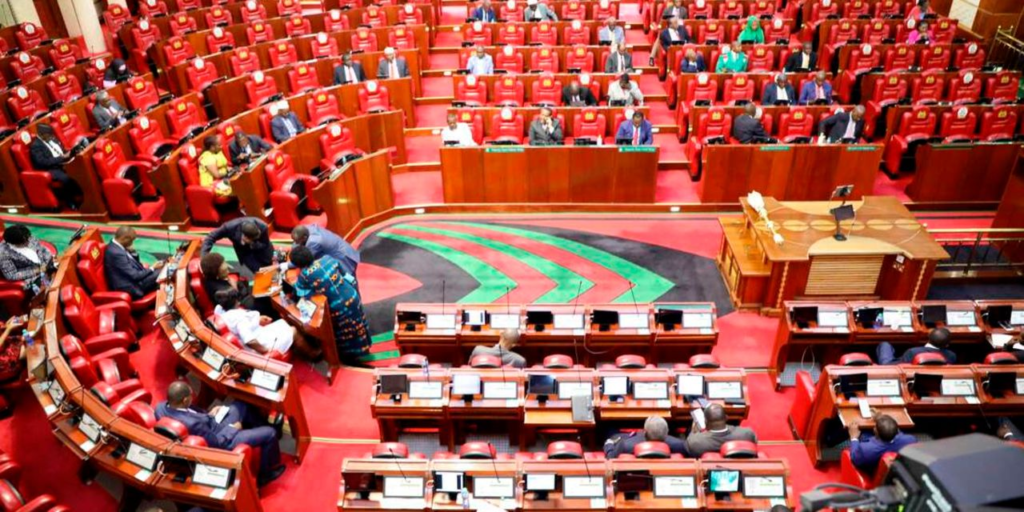
Members of Parliament introduced amendments to strengthen oversight over the fund.
Under the revised framework, the fund’s investment policy must be submitted to Parliament for approval.
The National Assembly will have 90 days to review and debate the policy before it takes effect.
Lawmakers say the provision ensures public accountability in how the fund allocates capital.
7. Legislative Scrutiny and Stakeholder Input
Before its passage, the bill underwent extensive scrutiny through parliamentary committees and stakeholder consultations.
Professional organisations such as the Institute of Public Finance and the Institute of Certified Public Accountants of Kenya (ICPAK) submitted recommendations during the review process.
The engagement aimed to strengthen governance safeguards and financial oversight mechanisms.
8. Political Debate Surrounding the Fund
Despite strong support in Parliament, the proposal has sparked debate among political leaders.
Opposition figures, including Kalonzo Musyoka, have questioned the legal and constitutional structure of the fund and called for additional clarification from the Treasury.
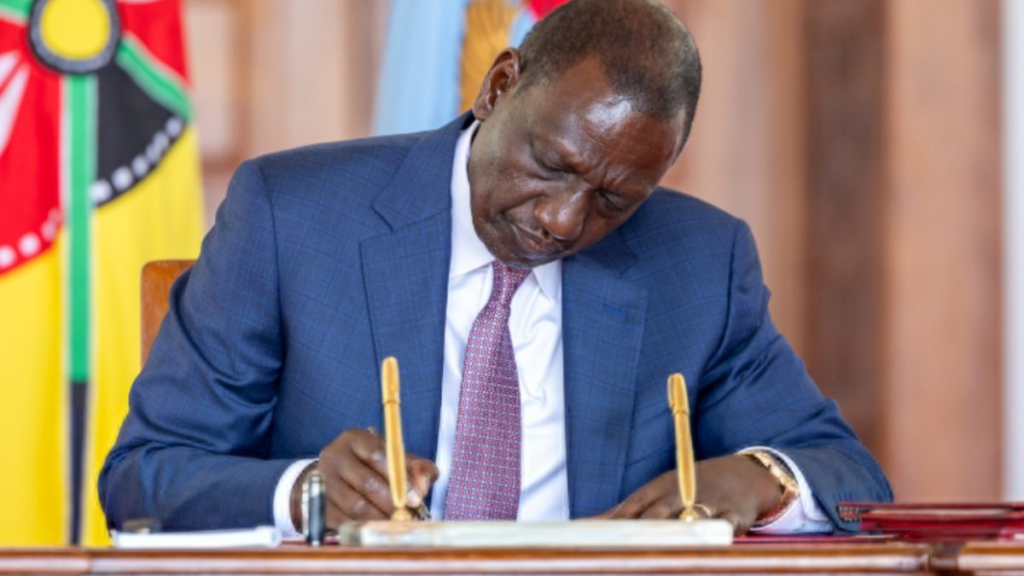
However, President Ruto has defended the initiative, arguing that it could become a transformational financing engine for Kenya’s development.
A Potential Game-Changer for Kenya’s Development
Supporters of the bill say the National Infrastructure Fund could unlock long-term financing for projects that have traditionally struggled to attract sufficient capital.
If successfully implemented, the fund could help finance roads, railways, power infrastructure, digital networks and water projects without significantly increasing the country’s debt burden.
The legislation now awaits presidential assent before Kenya can begin the process of establishing and operationalising the fund.
Related Posts

Previous Post
Next Post