Now Reading: Tunisia Plans $1 Billion Expansion of Tunis-Carthage Airport to Quadruple Capacity
-
01
Tunisia Plans $1 Billion Expansion of Tunis-Carthage Airport to Quadruple Capacity
Tunisia Plans $1 Billion Expansion of Tunis-Carthage Airport to Quadruple Capacity

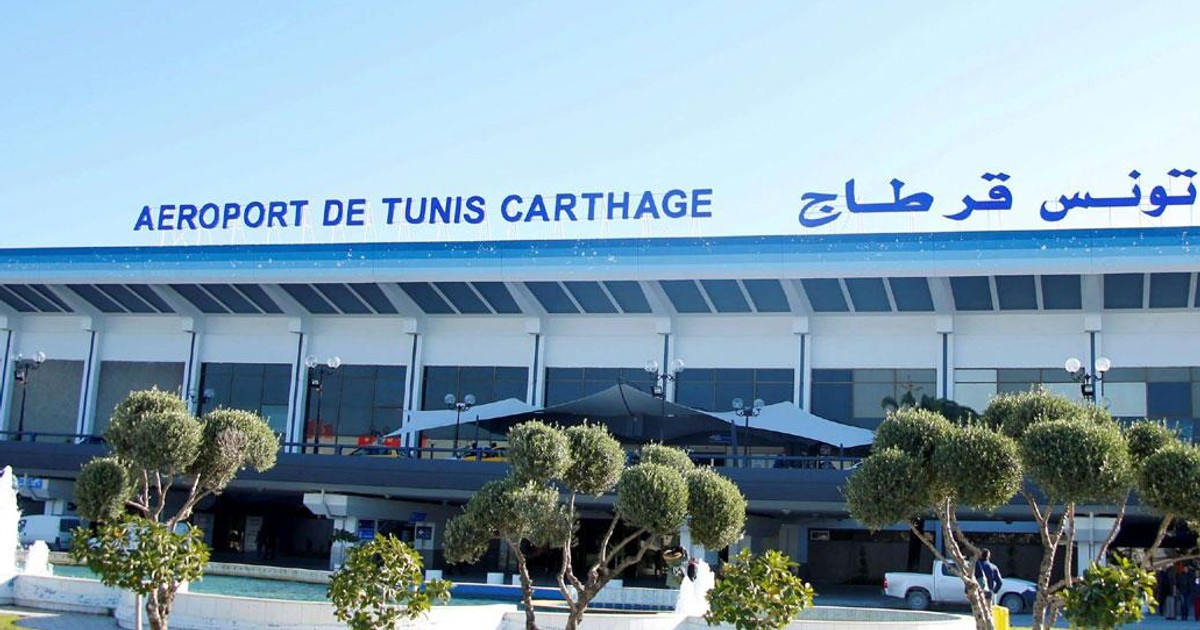

Tunisia has unveiled plans to invest about $1 billion (3 billion Tunisian dinars) to expand Tunis-Carthage International Airport, the 10th busiest in Africa, to expand its passenger capacity as the country works to modernise its aviation infrastructure.
According to Tunisia’s Transport Ministry, the expansion will increase the airport’s annual capacity from around 5 million passengers to about 18.5 million by 2031.
The government says the project has already been included in the 2026 investment budget of the Civil Aviation and Airports Authority, the agency responsible for managing the country’s airport infrastructure.
Shift From Building a New Airport
Authorities said Tunisia had previously explored plans to build a new international airport, but those plans have been shelved for now in favour of expanding the existing facility.
Officials say upgrading the current airport offers a faster and more cost-effective solution to accommodate growing passenger numbers.
Located near the capital city of Tunis and close to the historic ruins of Carthage, Tunis-Carthage Airport serves as the country’s main international gateway for travellers arriving from Europe, the Middle East and other parts of Africa.
Responding to Growing Travel Demand
The expansion comes as Tunisia’s aviation sector experiences renewed growth in passenger traffic, largely driven by the recovery of international tourism and stronger airline activity.
In recent years, air travel across Africa has been rebounding strongly, with airlines adding new routes and expanding fleets.
Tunis-Carthage Airport handled over 7 million passengers in 2024, already exceeding the airport’s original design capacity.
By boosting the facility’s capacity to nearly 18.5 million passengers annually, Tunisia hopes to position itself as a stronger regional aviation hub and ease congestion at the country’s busiest airport.
A Broader African Aviation Trend
Tunisia’s project reflects a wider trend across Africa, where governments are investing heavily in upgrading existing airports rather than constructing entirely new ones.
Across the continent, several countries are pursuing large aviation infrastructure projects to meet rising travel demand and support tourism growth.
For example, Ethiopia recently began construction of a massive new airport at Bishoftu, expected to handle up to 110 million passengers annually once fully completed, while Kenya has launched a multi-million dollar master plan to upgrade its Jomo Kenyatta International Airport (JKIA).
Nigeria has also approved major upgrades at Murtala Muhammed International Airport in Lagos, aimed at improving passenger experience and expanding capacity.
Among Africa’s busiest aviation hubs, Cairo International Airport currently leads the continent with close to 29 million passengers annually, followed by airports in South Africa, Ethiopia and Morocco.
Economic and Tourism Impact
Officials say expanding Tunis-Carthage Airport will have broader economic benefits beyond aviation.
A larger airport capacity could help to increase international tourist arrivals, attract new airline routes and partnerships, improve trade and cargo connectivity and create jobs during construction and airport operations.
Tourism remains one of Tunisia’s most important economic sectors, drawing millions of visitors each year to destinations such as Sidi Bou Said, the Sahara Desert and Mediterranean coastal resorts.
Improving airport capacity is therefore seen as critical to sustaining tourism growth and strengthening the country’s global connectivity.
Once completed, the upgraded airport will significantly enhance Tunisia’s ability to handle rising passenger volumes while improving the travel experience for both domestic and international passengers.
By expanding rather than building a new facility, the government hopes to accelerate development timelines while maximising the existing airport’s strategic location.
With passenger demand across Africa continuing to rise, the Tunis-Carthage expansion signals Tunisia’s ambition to strengthen its position in the region’s increasingly competitive aviation sector.
Related Posts


Previous Post
Next Post