Now Reading: Kenya Seeks New Markets as Avocado Exports Face Challenges
-
01
Kenya Seeks New Markets as Avocado Exports Face Challenges
Kenya Seeks New Markets as Avocado Exports Face Challenges

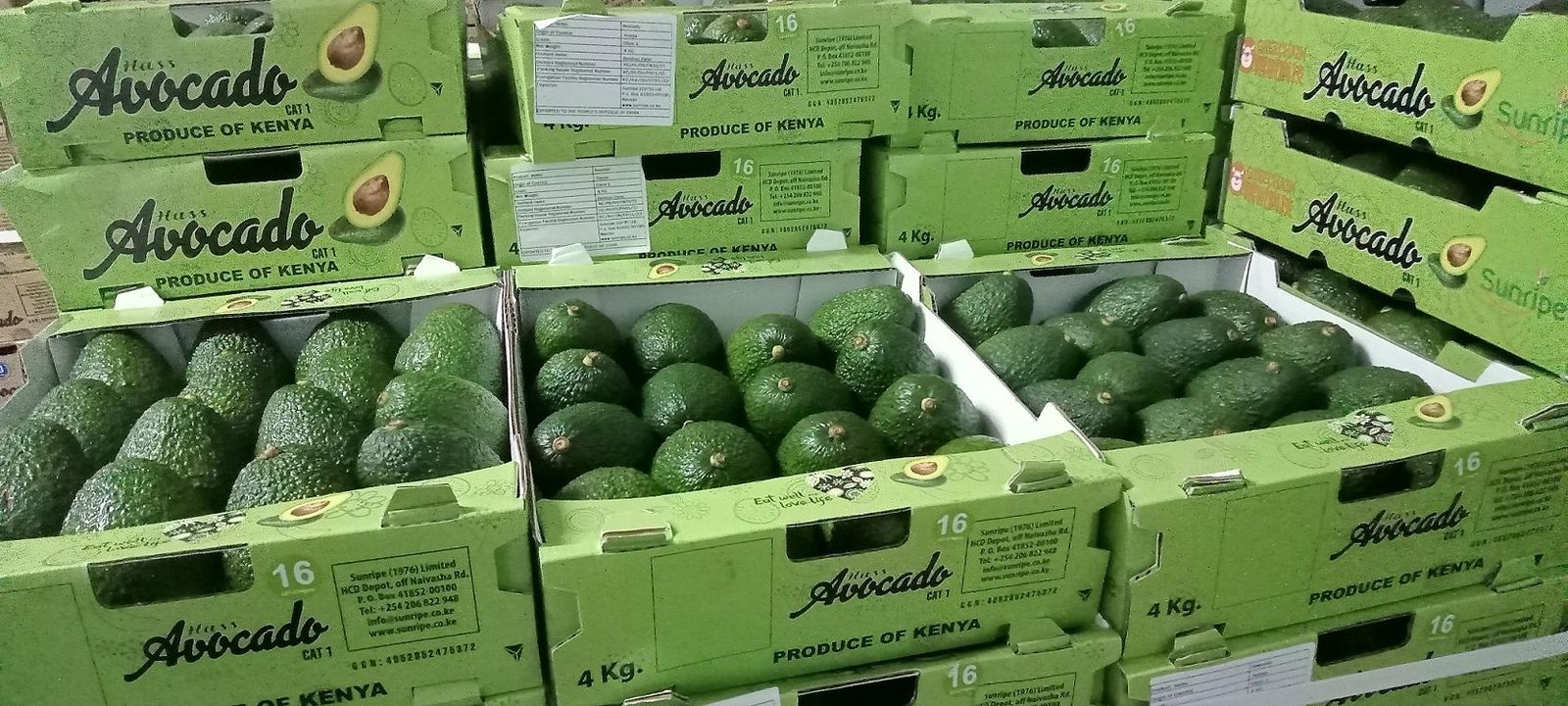

Kenya’s avocado export pressures are beginning to reshape one of the country’s fastest-growing agricultural sectors, as geopolitical tensions in the Middle East disrupt trade routes and market stability. Exporters who rely on Gulf markets are facing logistical delays, rising shipping costs, and uncertain demand conditions. As a result, businesses are being forced to rethink their strategies to maintain profitability and sustain growth. The evolving Gulf crisis highlights the vulnerability of agricultural trade to global shocks and the need for diversification in export markets.
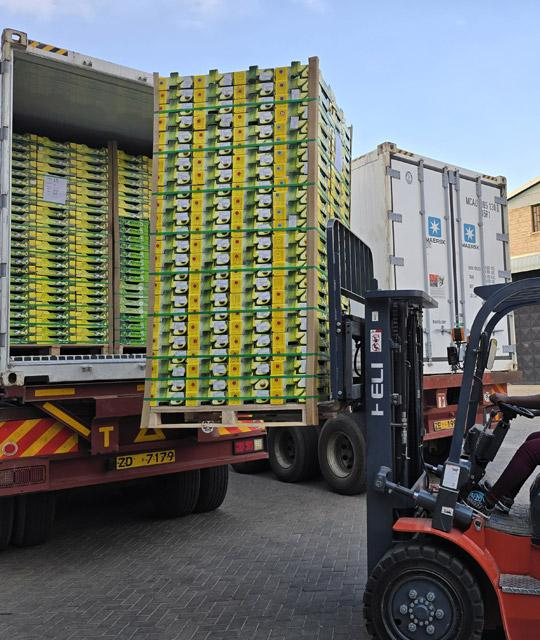
Kenya’s Avocado Export Pressures Disrupts Supply Chains and Costs
Kenya’s avocado export pressures are being felt most acutely in logistics and supply chain operations, where disruptions linked to Middle East tensions are affecting the movement of goods. Exporters who traditionally rely on shipping routes passing through the Red Sea are encountering delays, increased insurance costs, and higher freight charges.
For an industry that depends on timely delivery to maintain product quality, these disruptions present a significant challenge. Avocados are perishable goods, and any delays in transit can lead to losses, reduced prices, or rejected shipments. This has forced exporters to explore alternative routes or adjust shipping schedules, often at a higher cost.
Organizations such as the Horticultural Crops Directorate have been monitoring the situation closely, as the horticulture sector remains a key contributor to Kenya’s export earnings. The avocado segment, in particular, has experienced rapid growth in recent years, driven by strong global demand.
However, Kenya’s avocado export pressures amid the Gulf crisis are exposing the risks associated with heavy reliance on specific trade corridors. Exporters are increasingly recognizing the importance of building more resilient supply chains that can withstand geopolitical shocks.
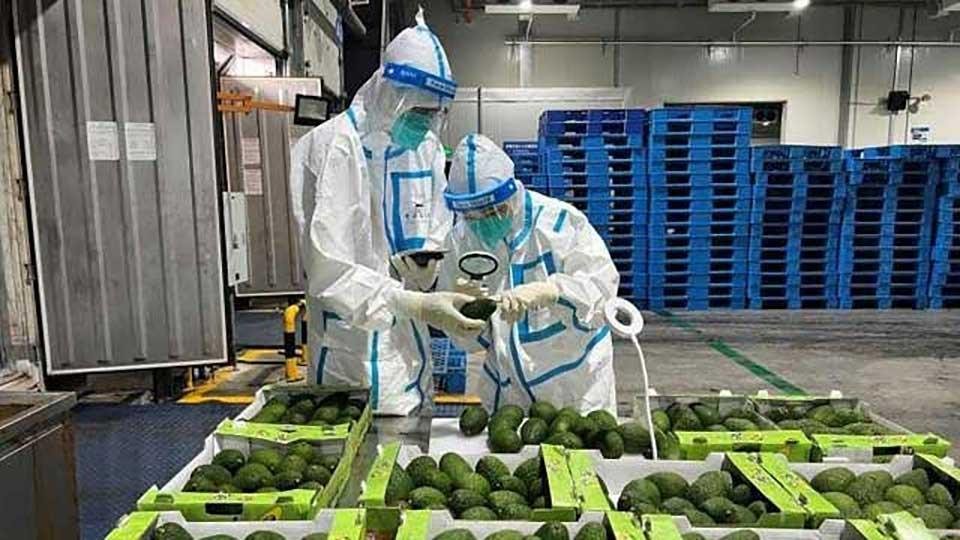
Kenya’s Avocado Export Pressures Force Market Diversification Strategy
In response to Kenya’s avocado export pressures, exporters are accelerating efforts to diversify their markets beyond the Middle East. Europe and Asia are emerging as key alternatives, offering opportunities to reduce dependence on a single region.
Expanding into new markets, however, requires meeting stringent quality standards, certification requirements, and logistical considerations. Exporters must invest in compliance, packaging, and cold chain infrastructure to remain competitive in these destinations.
Government agencies such as the Agriculture and Food Authority are playing a role in facilitating market access and supporting exporters through policy and regulatory frameworks. Strengthening trade agreements and improving export infrastructure are also critical components of this strategy.
You Might Also Like: Kenya’s Plastic Packaging Rules Disrupt Global Supply Chains
At the same time, avocado export pressures are prompting a broader conversation about value addition. Instead of exporting raw produce, there is growing interest in processing avocados into products such as oil, which can have longer shelf life and higher margins.
Ultimately, the current disruption underscores a key lesson for Kenya’s export sectors: resilience depends on diversification and adaptability. While the Gulf region remains an important market, the ability to pivot quickly and access alternative destinations will determine how well exporters navigate ongoing uncertainty.
As global trade dynamics continue to evolve, Kenya’s avocado export pressures amid the Gulf crisis may prove to be a turning point, pushing the industry toward more sustainable and diversified growth strategies.
Related Posts


Previous Post
Next Post