Now Reading: U.S. mining firms strike deals in Burundi as race for Africa’s critical minerals intensifies
-
01
U.S. mining firms strike deals in Burundi as race for Africa’s critical minerals intensifies
U.S. mining firms strike deals in Burundi as race for Africa’s critical minerals intensifies

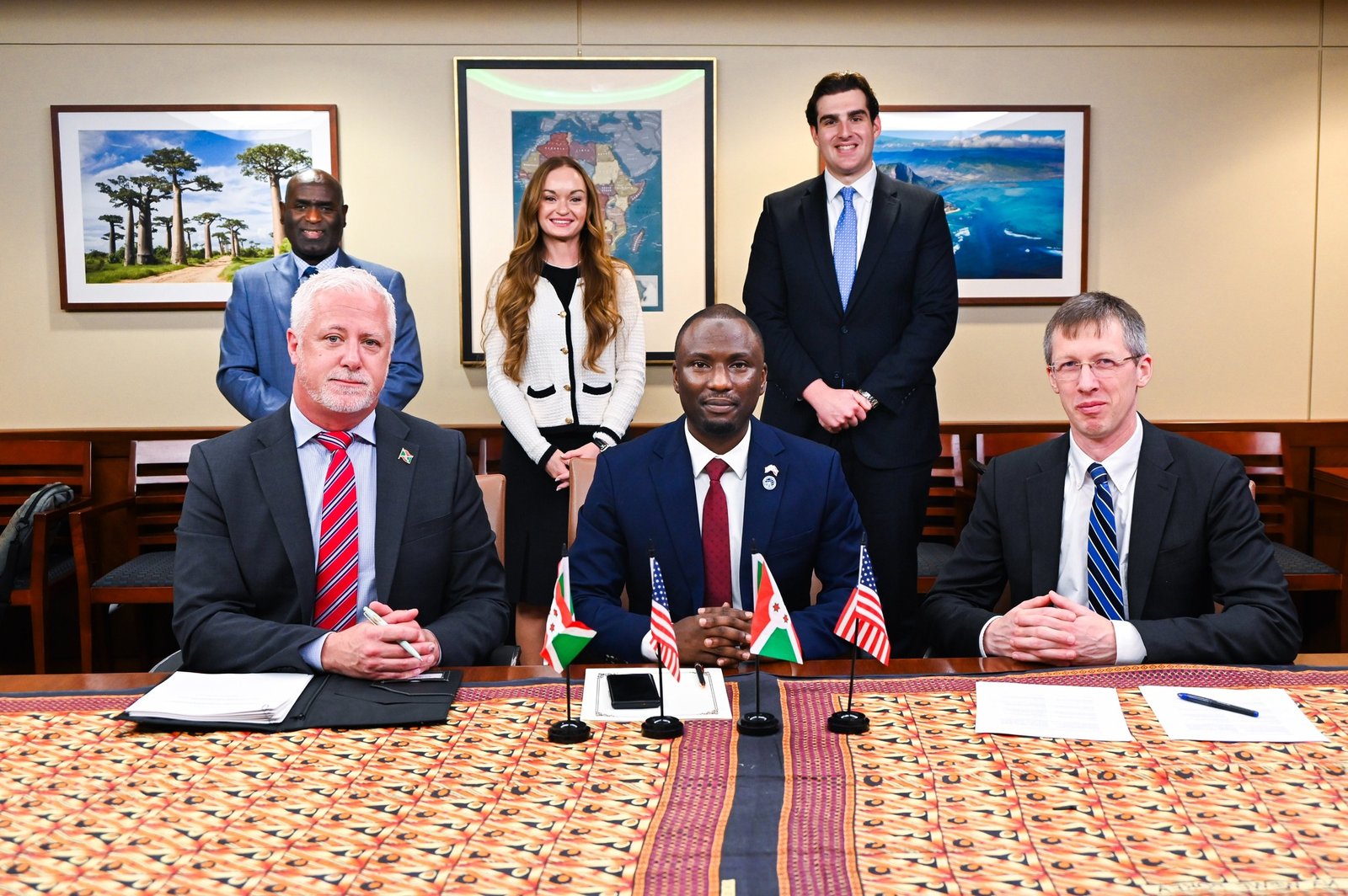

Burundi has signed two landmark mining agreements with American companies, highlighting Washington’s growing push to secure access to Africa’s critical minerals used in electric vehicles and renewable energy technologies.
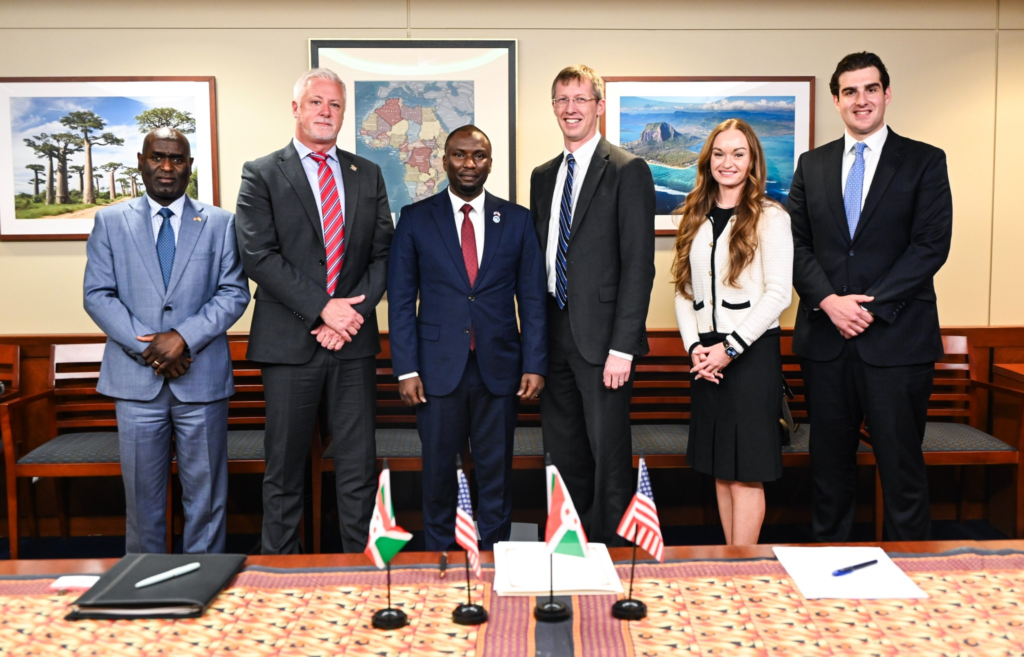
The deals were signed in Washington, D.C., by Burundi’s Minister of Mineral Resources Hassan Kibeya and representatives of U.S. mining companies Lifezone Metals and KoBold Metals, according to a statement from the U.S. embassy in Burundi.
Under the first agreement, Lifezone Metals will work with the Burundian government to develop a large-scale nickel mining project aimed at creating jobs and boosting exports.
The project centres on the Musongati nickel deposit, one of the country’s largest mineral resources and part of a broader nickel belt that extends into neighbouring Tanzania.
A second agreement with KoBold Metals will see the company digitise Burundi’s historical mining records at no cost to the government. Officials say converting geological and licensing records into digital databases will improve transparency, strengthen oversight and make the country’s mining sector more attractive to investors.
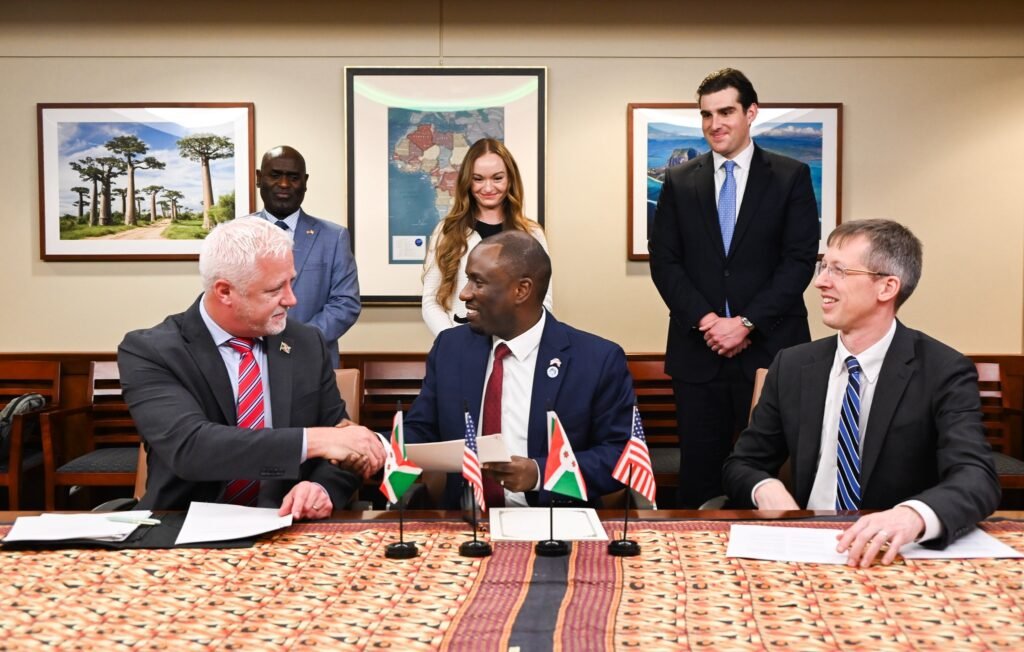
The agreements come as the United States steps up efforts to secure supplies of minerals critical for the global energy transition, including nickel, lithium, cobalt and rare earth elements.
Africa holds some of the world’s largest reserves of these resources, placing the continent at the centre of intensifying geopolitical competition among major powers seeking reliable supply chains for electric vehicles, battery storage and advanced technologies.
KoBold Metals has expanded exploration activities across Africa in recent years, using artificial intelligence and large geological datasets to identify new mineral deposits.
The company is already involved in projects across the continent as part of efforts to diversify global mineral supply away from traditional sources.
For Burundi, the partnerships could help unlock mineral wealth that has remained largely underdeveloped due to limited infrastructure and investment.
The country is known to host deposits of nickel, gold, coltan and rare earth elements, but large-scale extraction has been slow to develop. Officials say improving transparency and attracting foreign investment will be key to expanding the sector.
The agreements also reflect a broader shift across Africa, where governments are seeking to capture greater value from natural resources while strengthening partnerships with international mining firms.
If successfully implemented, the projects could position Burundi as an emerging player in Africa’s critical minerals industry while reinforcing the growing strategic importance of the region in global energy supply chains.
Read Also: Ghana introduces new gold royalty regime despite pressure from US and China – Business News
Related Posts
Previous Post
Next Post