Now Reading: Fuel Price Shock Averted: Kenya Fuel Prices Unchanged Despite Iran War Oil Shock
-
01
Fuel Price Shock Averted: Kenya Fuel Prices Unchanged Despite Iran War Oil Shock



Kenyan motorists have been spared a potential fuel price shock after the Energy and Petroleum Regulatory Authority (EPRA) retained current pump prices despite rising global oil costs triggered by the Iran war, offering temporary relief to households and businesses already grappling with high living expenses.
Fuel Prices Hold Steady Despite Global Oil Turmoil
In its latest monthly price review, the EPRA announced that fuel prices will remain unchanged for the current pricing cycle, shielding consumers from immediate increases linked to volatile global oil markets.
The decision means motorists will continue paying the same pump prices for super petrol, diesel and kerosene, even as international crude prices fluctuate due to escalating tensions in the Middle East.
The stability provides short-term relief to transport operators, manufacturers and logistics companies that rely heavily on fuel and would have faced higher operational costs if prices had risen.
Fuel costs play a critical role in Kenya’s economy because they influence transportation charges, food prices and overall inflation levels.
Analysts note that any increase in fuel prices often triggers a ripple effect across sectors including agriculture, manufacturing and retail.
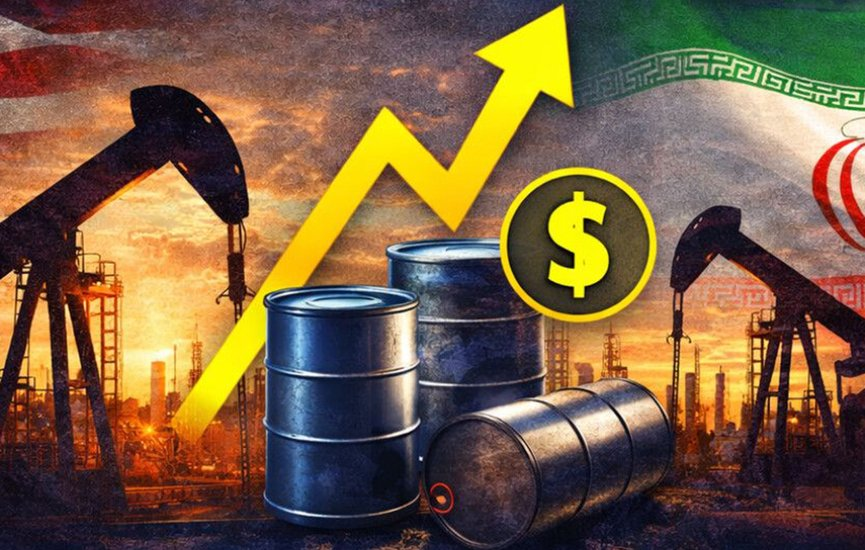
Global oil markets have been highly volatile in recent weeks as geopolitical tensions escalate. The conflict involving Iran has already pushed crude prices higher, raising concerns about supply disruptions and inflation in fuel-importing economies.
EPRA Moves to Cushion Economy From Oil Price Volatility
The regulator’s decision reflects efforts by the government to cushion households and businesses from the immediate impact of rising global oil prices.
Kenya relies heavily on imported petroleum products, making the country particularly vulnerable to international price shocks whenever geopolitical tensions disrupt global supply chains.
Economists warn that sustained increases in crude oil prices could eventually push Kenya fuel prices higher if the trend continues for several months.
Related Post: Kenya Tourism Investment Surges as Global Travel Rebounds
Across Africa, policymakers are already monitoring the potential economic fallout from the Middle East conflict, which analysts say could slow economic recovery and increase inflationary pressure in oil-importing countries.
Energy analysts say the decision to hold pump prices steady helps stabilize consumer spending and business costs in the short term.
However, they caution that if crude prices remain elevated for an extended period, regulators may face pressure to adjust pump prices in future review cycles.
“The government is likely trying to balance consumer protection with the realities of global market movements,” market analysts say.
For now, the decision offers temporary relief for motorists and businesses, but the outlook for fuel prices will largely depend on how global oil markets react to the ongoing geopolitical tensions.
Related Posts



Previous Post
Next Post