Now Reading: US Dollar Strengthens as Investors Seek Safety Amid Middle East War
-
01
US Dollar Strengthens as Investors Seek Safety Amid Middle East War

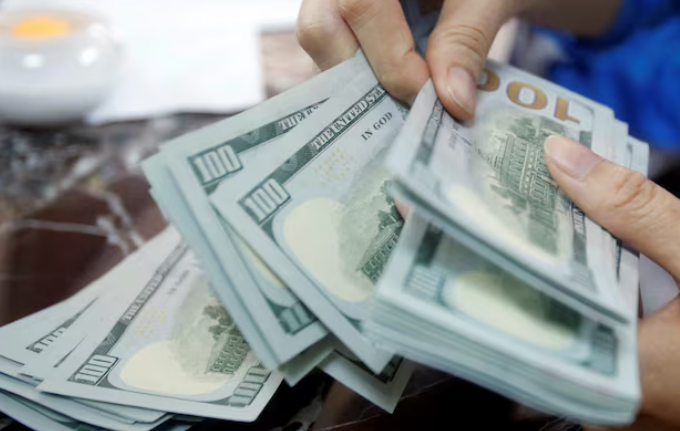

The US dollar is gaining strength in global markets as investors rush to safe-haven assets following escalating conflict in the Middle East. Financial analysts say geopolitical instability typically drives capital toward the world’s most liquid and trusted currencies. As tensions rise, the US dollar Middle East war dynamic has pushed the greenback higher against several global currencies. The trend is already influencing trade, commodity prices and financial markets across emerging economies.
Safe-Haven Demand Driving the US Dollar Surge
The surge in the US dollar Middle East war scenario reflects a familiar pattern in global financial markets: investors move their money to perceived safe assets during periods of geopolitical uncertainty.
The US Dollar is widely considered the world’s primary reserve currency, making it a preferred refuge for investors seeking stability during crises.
When conflicts erupt, global investors often sell riskier assets — including emerging market currencies, stocks and bonds — and shift capital into dollar-denominated investments such as US Treasury bonds.
This surge in demand typically strengthens the value of the dollar relative to other currencies.
Economists say the current Middle East tensions have triggered a similar reaction in currency markets, with the dollar appreciating against several global currencies.
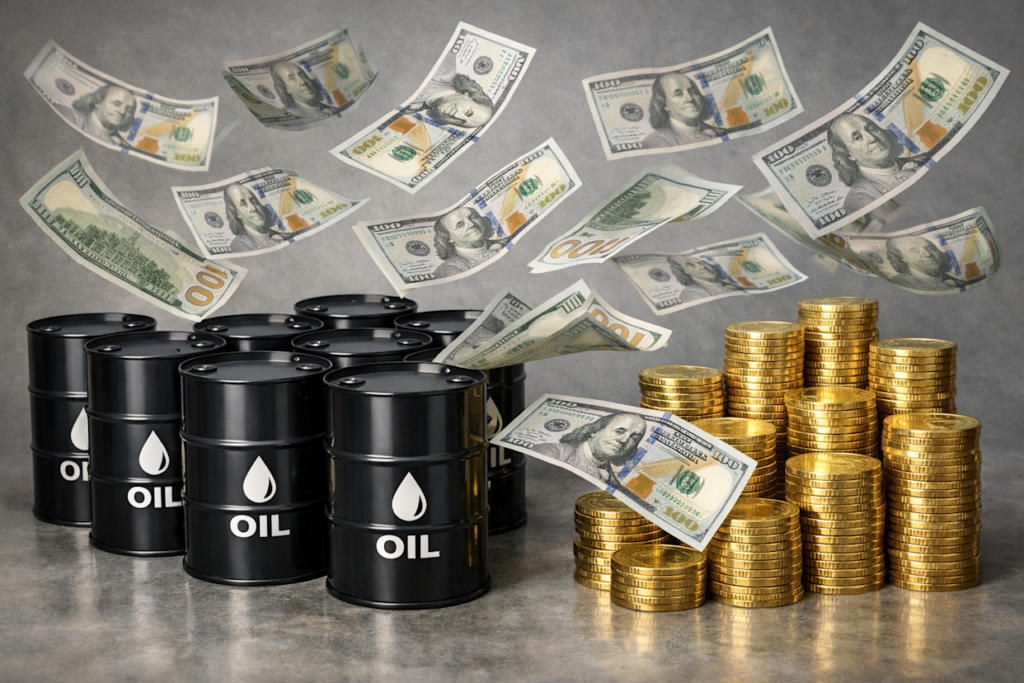
The stronger dollar has also been supported by rising oil prices, which tend to increase global demand for the currency since oil is primarily traded in dollars.
Impact on Emerging Markets and Global Trade
The strengthening of the US dollar Middle East war trend has significant consequences for emerging economies.
Countries that rely heavily on imports often face rising costs when the dollar appreciates because many commodities — including oil, wheat and industrial metals — are priced in dollars.
For nations with large amounts of dollar-denominated debt, a stronger dollar also increases repayment costs.
Read Also: Insurance Growth Surge: Liberty Kenya Revenue Jumps to Sh11.9 Billion as Demand for Cover Rises
Economists warn that these pressures could weigh on economic growth in developing markets, particularly those already facing high inflation or fiscal deficits.
At the same time, investors continue to view dollar-based assets as relatively stable during global uncertainty.
Analysts say that unless geopolitical tensions ease quickly, the current demand for the US Dollar could persist, keeping the currency elevated against many global peers.
For businesses and governments around the world, the trend underscores how geopolitical conflicts can rapidly reshape financial markets, trade flows and currency valuations.
Previous Post
Next Post