Now Reading: Kenya Manufacturing Sector Raises Alarm Over Rising Taxes
-
01
Kenya Manufacturing Sector Raises Alarm Over Rising Taxes

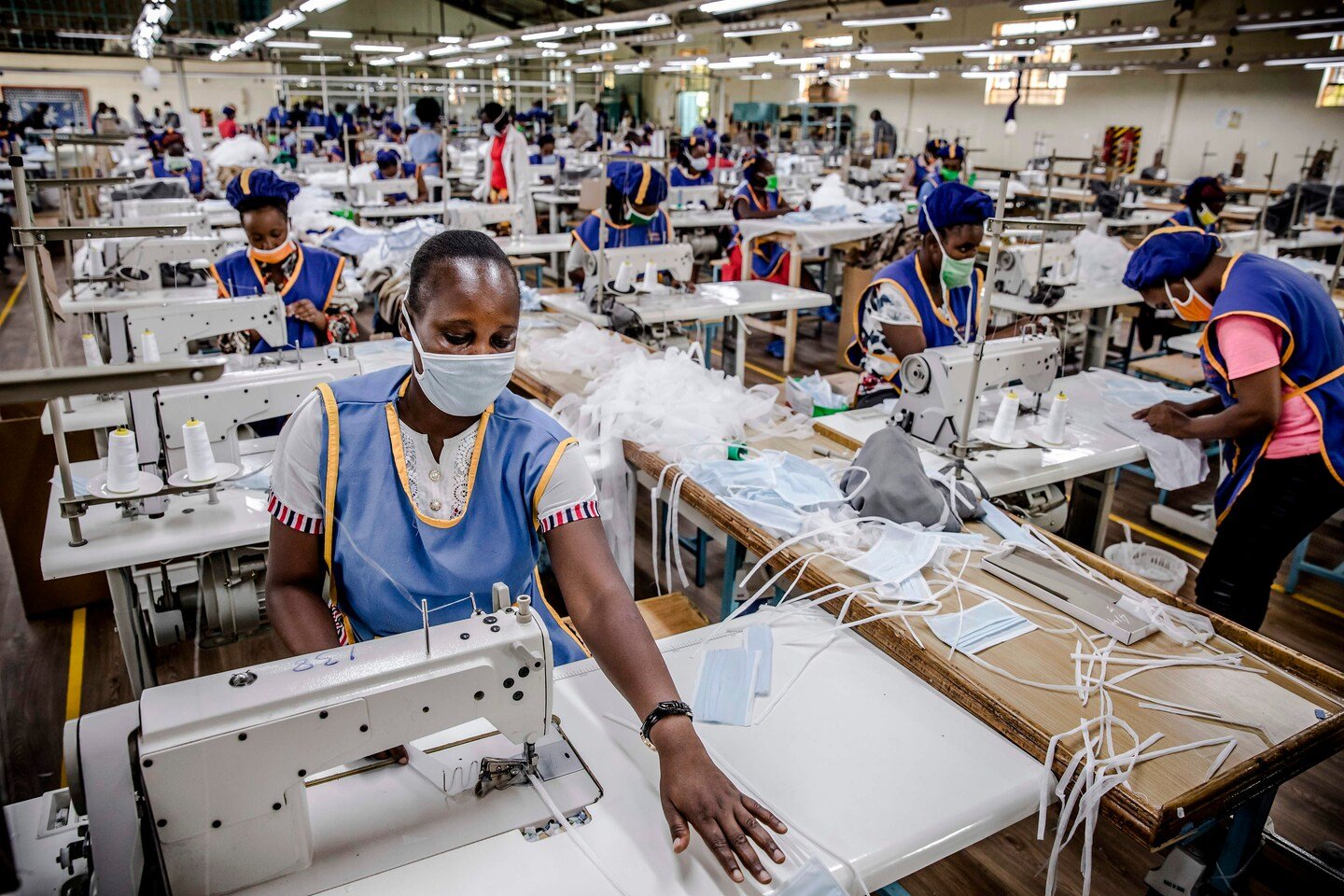

Kenya’s manufacturing sector is raising alarm over rising taxes and regulatory levies, warning that the growing burden could push factories to the brink of collapse. Industry players say the increasing cost of compliance is eroding profitability and making locally produced goods less competitive. The concerns come at a time when manufacturers are already grappling with high energy costs and expensive financing. The debate around manufacturing taxes is now intensifying as businesses call for urgent policy reforms.
Manufacturing Taxes Raise Pressure on Industrial Growth
Manufacturers across the country say manufacturing taxes have increased significantly in recent years, creating a difficult operating environment for both large and small-scale producers.
Industry stakeholders argue that multiple layers of taxation — including corporate taxes, excise duties, import levies and regulatory fees — are collectively driving up production costs.
Organizations such as the Kenya Association of Manufacturers have repeatedly warned that the current tax regime risks undermining the country’s industrialization agenda.
According to industry representatives, the high tax burden is making it harder for local manufacturers to compete with imported goods, which are often cheaper due to lower production costs in foreign markets.
Manufacturers also point to additional regulatory requirements that increase compliance costs, further squeezing margins in an already competitive sector.
The situation has raised concerns about potential factory closures, job losses and reduced investment in Kenya’s industrial sector.
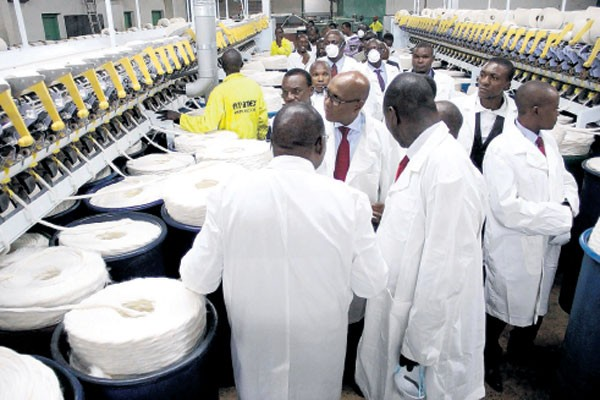
Rising Costs Threaten Competitiveness and Jobs
The impact of Kenya manufacturing taxes is being compounded by other economic challenges, including high electricity costs, expensive credit and fluctuating currency exchange rates.
Business leaders say these combined pressures are weakening the sector’s ability to expand and create jobs, particularly at a time when the government is pushing for industrial growth under its economic development agenda.
See Also: East African Governments Scrap Tariffs to Strengthen Regional Markets
Analysts warn that if the cost environment does not improve, some manufacturers may be forced to scale down operations or relocate production to more favorable markets.
“There is a real risk that continued tax pressure could drive deindustrialization if not addressed,” industry observers say.
Manufacturers are now calling for a more balanced tax framework that supports growth while still enabling the government to raise revenue.
The sector is also urging policymakers to streamline regulatory processes and reduce duplication of levies across different agencies.
With industrialization seen as a key pillar of economic growth, the debate over manufacturing taxes is likely to remain central to discussions between the government and private sector.
Previous Post
Next Post