Now Reading: Kenya Economy at Risk as Iran War Disrupts Global Markets
-
01
Kenya Economy at Risk as Iran War Disrupts Global Markets



Kenya is bracing for major economic shockwaves as the escalating Iran war threatens to disrupt global oil supplies, trade routes, and financial flows. Analysts warn that the conflict could trigger a sharp rise in fuel prices, pushing up the cost of transport, electricity, and basic goods. The country’s heavy reliance on imports leaves it highly exposed to global supply disruptions linked to Middle East tensions. The impact of the Iran war is expected to ripple across households, businesses, and government finances in the coming months.
Iran War Impact Seen in Fuel and Trade Risks
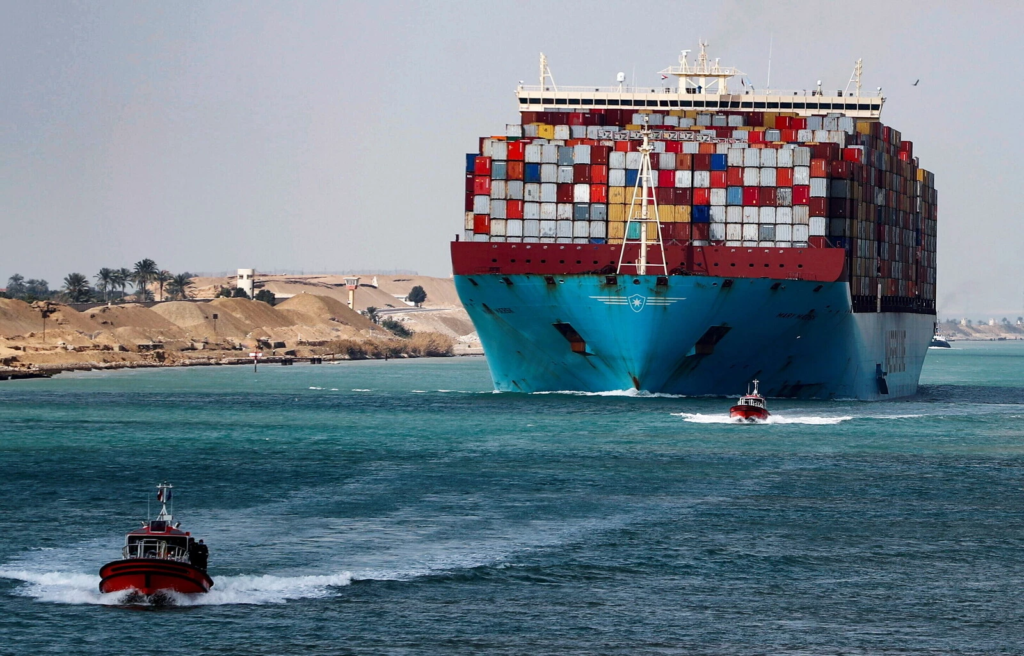
The biggest immediate threat to the Kenya economy from the Iran war scenario is rising global oil prices, as tensions around key shipping routes such as the Strait of Hormuz threaten supply chains.
About a fifth of the world’s oil passes through this critical corridor, meaning any disruption could send prices sharply higher and trigger global inflation pressures.
For Kenya, which imports nearly all its petroleum products, higher oil prices translate directly into increased fuel costs, transport expenses, and electricity prices.
Economists warn that this could reverse recent gains in controlling inflation and put additional pressure on households already dealing with high living costs.
Beyond energy, Kenya’s trade links with the Middle East also face disruption.
The region remains a key export destination for Kenyan goods such as tea, meat, flowers and vegetables, while also supplying critical imports including fuel, fertilizers and industrial inputs.
Any prolonged conflict could slow exports, increase freight, and insurance costs, and weaken trade balances.
Remittances, Debt Pressure, and Inflation Risks Rising
The broader impact of the Iran war to the economy of Kenya extends to financial flows, including diaspora remittances — a critical source of foreign exchange for the country.
Experts warn that disruptions in the Middle East could affect Kenyan workers in the region, potentially reducing remittance inflows that support thousands of households and help stabilize the shilling.
Read Also: Kenya Meat Exports Plunge as Cargo Flights to Gulf Region Collapse
At the same time, rising global uncertainty is strengthening the United States Dollar, increasing the cost of servicing Kenya’s external debt and making imports more expensive.
The International Monetary Fund has already urged Kenya to strengthen its financial buffers to prepare for potential spillover effects from the conflict.
Analysts say the country’s limited fiscal space could make it difficult for the government to cushion consumers through subsidies if fuel prices continue rising.
With public debt levels already high and revenue collection under pressure, policymakers face a difficult balancing act between stabilizing the economy and maintaining fiscal discipline.
“The current environment leaves Kenya highly vulnerable to external shocks,” analysts say.
If the conflict persists, economists warn the combined effects of higher fuel costs, weaker trade flows, and reduced remittances could slow economic growth and intensify inflationary pressures.
Related Posts



Previous Post
Next Post