Now Reading: The price of Solar Panels, Batteries, to Soar Across Africa after China Scraps Subsidy
-
01
The price of Solar Panels, Batteries, to Soar Across Africa after China Scraps Subsidy
The price of Solar Panels, Batteries, to Soar Across Africa after China Scraps Subsidy

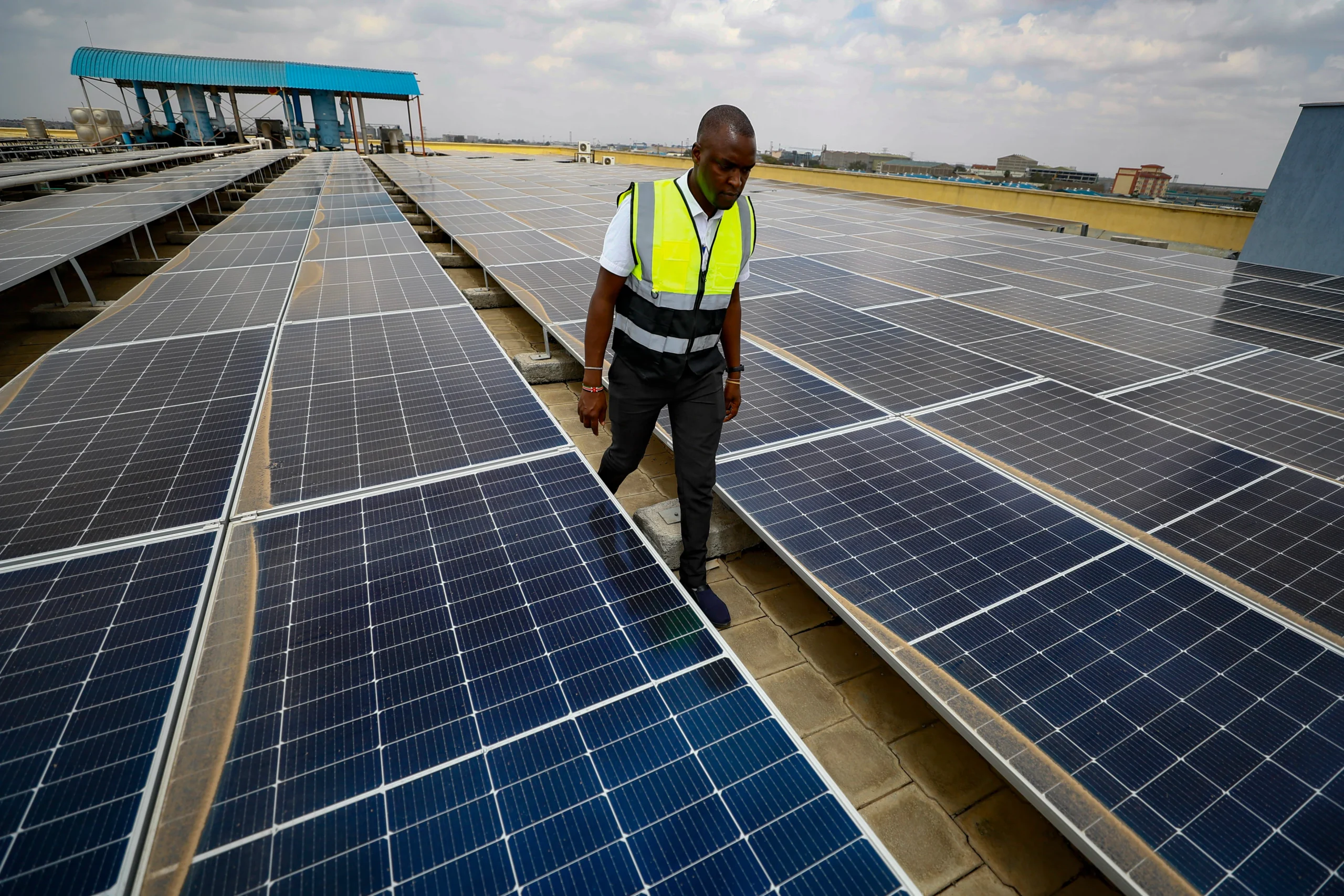

Africa’s fast-growing solar energy sector could face mounting cost pressures following China’s decision to scale back key export incentives on solar panels and battery storage equipment, a move that comes amid surging global demand driven by major industrial investments.
The policy shift, which includes ending value-added tax (VAT) rebates on solar panel exports and gradually phasing out incentives for battery production, is expected to increase the cost of solar equipment across the continent, where most countries rely heavily on Chinese imports.
The changes are set to take effect from April 1 for solar panels, with battery-related incentives to be phased out over the coming years.
Industry analysts say the timing of the move is significant, coming just days after Tesla, led by billionaire Elon Musk, entered negotiations to purchase approximately $2.9 billion worth of solar equipment from Chinese manufacturers to expand its production capacity in the United States.
The deal has already signaled a resurgence in global demand for Chinese solar products, putting additional pressure on supply chains and pricing structures.
For Africa, the implications are particularly pronounced.
The continent already faces higher solar equipment costs compared to other regions due to logistical challenges, tariffs, and smaller import volumes.
The removal of Chinese export incentives is expected to add another layer of cost, potentially slowing down renewable energy projects aimed at addressing widespread electricity shortages.
“We are likely to see solar panel prices increase in Africa because most of the inputs come from China,” said Wangari Muchiri, an energy analyst focused on Africa’s clean energy sector. “Removing the rebate will add to existing costs, especially when you consider shipping, logistics, and other import fees.”
Despite these concerns, experts say the impact is likely to be gradual rather than immediate.
Historically, Chinese manufacturers have incorporated export rebates into their pricing models, allowing them to offer solar modules at significantly reduced prices. The removal of these incentives is expected to set a higher baseline for global prices rather than trigger a sudden spike.
“The changes are significant, but not catastrophic,” said John van Zuylen, CEO of the Africa Solar Industry Association. “African countries will likely feel this as a steady upward shift rather than a dramatic spike.”
The broader context behind China’s decision reflects a shift in its domestic solar industry.
Years of intense competition among Chinese manufacturers drove solar module prices down sharply, from around $0.25 per watt in 2022 to as low as $0.07 per watt in 2025, fueling a global boom in solar adoption but leaving many producers operating on thin margins.
By scaling back subsidies, Beijing is seeking to stabilize prices, reduce overcapacity, and strengthen the long-term sustainability of its clean energy sector.
However, for Africa, where solar energy is increasingly seen as a key solution to persistent power deficits, the policy shift presents both risks and opportunities.
On one hand, higher equipment costs could delay project timelines, particularly for off-grid and rural electrification initiatives that depend on affordable solar solutions. Battery storage, critical for ensuring reliable electricity supply after sunset, is expected to be especially affected as incentives are phased out.
On the other hand, the changes may prompt African countries to accelerate investments in local manufacturing and supply chains, reducing reliance on imported technology.
“The VAT removal will slow, but not reverse Africa’s clean energy transition,” said Basil Abia, co-founder of energy research firm Truva Intelligence. “Countries that use this moment to accelerate local manufacturing will emerge stronger.”
Even with anticipated price increases, solar energy is expected to remain one of the most cost-effective power sources across the continent, particularly when compared to alternatives such as diesel generation.
As global demand for renewable energy continues to rise and supply chains adjust to new pricing realities, Africa’s energy transition is entering a new phase, one defined not just by rapid expansion, but by the need for resilience, innovation, and greater self-reliance in clean energy production
Also Read: China Grants Kenya Duty-Free Market Access for Agricultural Exports From May – Business News
Previous Post
Next Post