Now Reading: Kenya Legislates New Minimum Requirements for Mobile Phones Entering the Market
-
01
Kenya Legislates New Minimum Requirements for Mobile Phones Entering the Market
Kenya Legislates New Minimum Requirements for Mobile Phones Entering the Market



Kenya has introduced sweeping new technical standards for mobile phones and communication devices, in a move aimed at improving consumer safety, network performance, and the overall quality of devices entering the market.
The Communications Authority of Kenya (CA) announced the updated requirements in a public notice dated March 24, stating that all mobile devices must now undergo stricter vetting before they are approved for sale or use in the country. The new framework applies to manufacturers, importers, vendors, and local assemblers.
According to CA Director General David Mugonyi, the updated specifications will guide the type-approval process, ensuring that only compliant devices are allowed into the Kenyan market.
The regulator said the move is part of broader efforts to eliminate substandard and potentially harmful devices, which have increasingly found their way into the country in recent years.
Stricter technical and network requirements
Under the new guidelines, all mobile devices must be built to operate efficiently within Kenya’s power and telecommunications infrastructure.
Phones must support an operating voltage of 240 volts (±10%) at a frequency of 50 Hz (±1), aligning with the country’s electrical grid. In addition, devices are required to support multiple network generations, including 2G, 3G, 4G, and crucially, 5G technologies.
The CA has also emphasised future-proofing, requiring devices to be compatible with upcoming network standards as designated by the International Telecommunication Union (ITU).
This requirement is expected to ensure that consumers are not left with obsolete devices as Kenya continues to expand its digital infrastructure.
Focus on safety and environmental standards
A key component of the new regulations is consumer safety, particularly regarding radiation exposure and hardware risks.
The CA has set strict limits on the Specific Absorption Rate (SAR), capping radiation exposure at 2.0 watts per kilogram for the head and trunk, 4.0 W/kg for limbs, and an average of 0.08 W/kg for the whole body.
Manufacturers of devices with removable batteries are also required to include clear warning labels highlighting the risk of explosion if incompatible batteries are used.
In addition, the authority has banned the use of hazardous materials such as lead, mercury, and cadmium in mobile devices and accessories, reinforcing environmental protection standards.
Mandatory accessibility features introduced
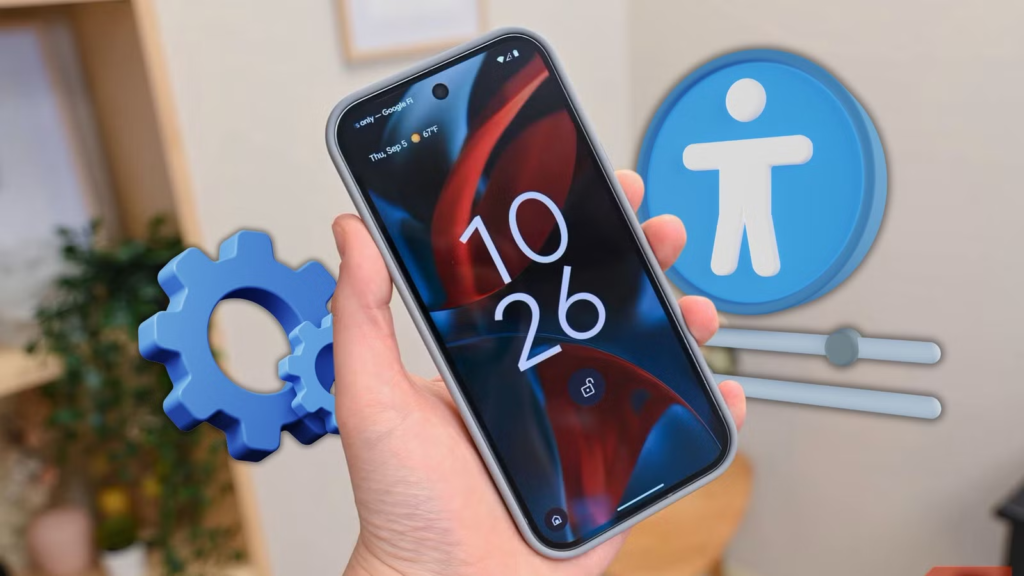
In a significant shift, the new guidelines also mandate accessibility features to ensure inclusivity for persons with disabilities.
Devices must now support screen readers, text-to-speech functionality, and haptic feedback for users with visual impairments. For those with hearing challenges, phones must include visual notifications and real-time captioning capabilities.
The standards also require features that improve usability for individuals with limited mobility, such as large touch targets, one-handed operation modes, and keyboard-only navigation.
Additionally, all devices must support Real-Time Text (RTT), enabling accessible communication with emergency services.
Crackdown on uncertified devices
The announcement comes weeks after the CA raised alarm over an influx of non-type-approved mobile phones in the Kenyan market.
In February, the regulator published a list of 21 phone brands that failed to meet its standards and warned the public against purchasing them. Vendors were also prohibited from selling the devices.
The CA noted that uncertified phones can pose serious risks, including network interference, security vulnerabilities, reduced lifespan, and potential harm to users.
Consumers have been advised to verify device authenticity by checking the International Mobile Equipment Identity (IMEI) number before purchase.
Improving user experience and network reliability

Beyond safety, the new regulations aim to enhance Quality of Service (QoS) and Quality of Experience (QoE) for mobile users by ensuring devices meet minimum performance standards.
The authority said poorly designed or incompatible devices can degrade network efficiency, leading to dropped calls, slow internet speeds, and connectivity issues.
By enforcing stricter standards, the CA hopes to improve overall network performance while protecting consumers from low-quality imports.
A shift toward a more regulated digital market
The 2026 guidelines signal a more proactive approach by regulators in shaping Kenya’s digital ecosystem.
By mandating modern charging standards, enforcing safety requirements, and ensuring compatibility with emerging technologies like 5G, the CA is seeking to future-proof the country’s mobile market.
For consumers, the changes are expected to result in safer, more reliable devices. For businesses, however, the new rules may require adjustments in manufacturing, importation, and compliance processes.
As enforcement begins, the success of the policy will likely depend on how effectively the regulator balances strict oversight with market accessibility, ensuring quality without limiting consumer choice.
Also Read: Kenya Investment Crisis: Cytonn Faces Liquidation After Sh11bn Loss – Business News
Previous Post
Next Post